

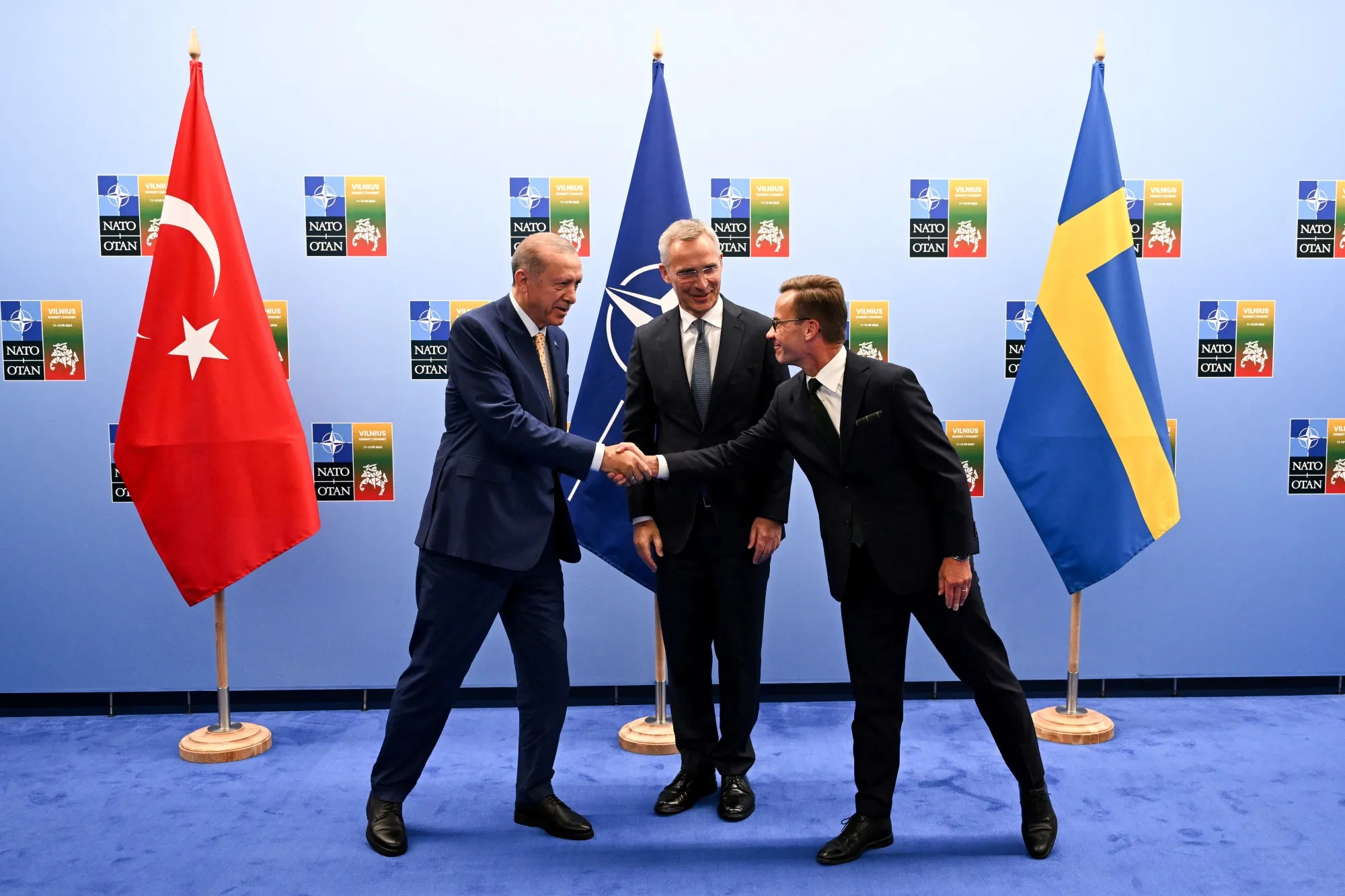
In a development that could reshape European security architecture, Turkey’s decision to back Finland and Sweden for NATO membership marks a potential turning point for the alliance. After months of intensive diplomacy and high-stakes negotiations, Ankara signaled a commitment to support the Nordic applicants, tying the move to a set of security guarantees, extradition commitments, and enhanced cooperation on counterterrorism. The announcement has reverberated across capitals from Washington to Brussels, where allies are parsing the implications for collective defense and regional stability.
Background: Finland and Sweden submitted formal applications to join NATO in 2022, seeking the shield of collective defense in the wake of Russia’s invasion of Ukraine and a broader shift in European security thinking. Turkey initially voiced reservations, citing concerns about terrorism-related extraditions, arms embargo commitments, and the need for robust security assurances. The new stance emerges after months of trilateral talks involving foreign ministers and defense officials, as well as shifting regional dynamics that have created room for compromise. Analysts emphasize that domestic political calculations in each country also shaped the final posture, highlighting the complex interplay between national security interests and alliance cohesion.
The decision carries clear strategic consequences. For Finland and Sweden, it could expedite the formal ratification process and accelerate their integration into NATO decision-making, training programs, and joint exercises along the bloc’s northern flank. For Turkey, stepping into a supporting role may unlock deeper defense cooperation, broader access to alliance infrastructure, and a stronger voice in NATO’s planning and mission prioritization. Yet observers caution that the path forward will require ongoing verification of assurances, careful parliamentary timing, and continued diplomacy to address any lingering concerns on counterterrorism and regional security commitments.
Analysts note that the move could reshape the alliance’s deterrence posture in the Baltic and Arctic regions. A unified NATO footprint, now including Finland and Sweden as full members, would enhance interoperability across air defense systems, missile defense architectures, and intelligence-sharing networks. It could also influence energy security strategies, border management initiatives, and cyber defense coordination in northern Europe. While the broad strategic logic is widely supported, the negotiation process underscored the reality that alliance cohesion often hinges on diplomatic nuance, not only military capabilities.
Domestic and international reaction has been nuanced. Proponents argue the breakthrough strengthens regional stability, sends a deterrent message to adversaries, and aligns long-term security interests with alliance resilience. Critics, however, warn about the risk of domestic backlash if ratifications stall in parliaments or if expectations become overly optimistic while detailed implementation steps unfold. In diplomatic circles, the consensus is that this is a pragmatic compromise that balances Turkey’s security priorities with the alliance’s goal of presenting a united front in an era of evolving geopolitical challenges.
For readers seeking ongoing coverage of international diplomacy and security, visit NewsHeck for updates, analysis, and timelines as more parliaments prepare to vote on accession protocols. The evolving story remains dynamic, and readers will want to track subsequent parliamentary actions and official statements from Ankara, Stockholm, and Helsinki to understand how the process unfolds in the coming weeks and months.
To revisit the primary source coverage of this development, you can read the full report here: turkey-agrees-to-back-finland-sweden-for-nato-membership.