

Since its introduction and evolution, the USA Today Crossword has become more than just an ink-and-paper diversion—it has grown into a cultural barometer, a community hub for solvers, and a showcase for innovation in one of America’s oldest pastimes. In this article, we explore its origins, format, editorial philosophy, solver community, recent transformations (particularly around diversity and representation), controversies and challenges, and what the future may hold. By the end, you’ll have a full picture of how this daily grid-filler reflects larger shifts in the world of puzzles — and how it connects to the wider media ecosystem.
Origins and Format
The USA Today newspaper was launched in 1982, known for its colourful pages, infographics, and broad national appeal. Including a daily crossword puzzle aligned perfectly with the newspaper’s mission: to engage readers across all demographics and offer a light mental challenge each morning.
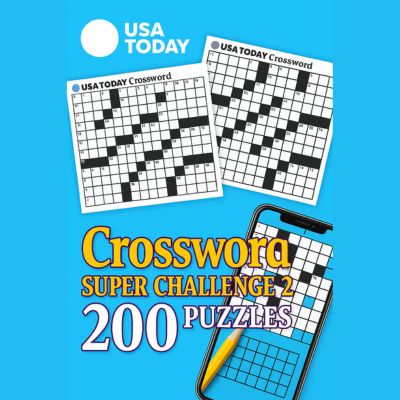
The USA Today Crossword has long appeared not only in print but also in book form and digital formats. Puzzle-book collections have been published under the newspaper’s brand, containing themed crosswords with moderate difficulty. These collections show that the crossword isn’t just a daily feature—it’s an entire sub-brand with its own fan base.
The daily puzzle typically features a 15×15 grid, around sixty clues, and straightforward clue styles designed to be accessible to general audiences. Its goal has always been inclusivity—something any casual reader can enjoy without needing to be an expert solver.
In recent years, USA Today has made the crossword widely available on digital platforms and mobile apps, meaning solvers can now engage from anywhere in the world. This shift from newsprint to screen has helped the puzzle remain relevant in an age when readers expect interactivity and convenience.
Solver Community and Engagement
Crossword puzzles thrive because of their communities, and the USA Today Crossword is no exception. There are entire blogs and discussion forums dedicated to it. One of the most consistent examples is “Sally’s Take on the USA Today Crossword,” a daily blog that dissects each puzzle, lists constructors, and provides commentary on clue logic, themes, and hidden gems.
The puzzle also sparks conversations on social platforms like Reddit, where solvers share their experiences and frustrations. A common thread among those comments is that while the USA Today puzzle used to be considered “quick and easy,” it now often surprises solvers with more challenging or unfamiliar clues. Many enjoy this evolution; others see it as a sign that the puzzle has become more dynamic and unpredictable.
What’s clear is that the crossword has built a loyal base of players who treat solving as part of their daily ritual. Some track constructors and editorial trends; others simply play for relaxation. This mix of casual and committed solvers gives the puzzle a unique social dimension.
The existence of printable archives and online play options further strengthens community engagement. Players can revisit older puzzles, share solutions, or challenge friends. The accessibility of the puzzle has transformed it from a solitary pastime into a shared digital experience.
Editorial Philosophy and the Push for Inclusivity
A major turning point in the USA Today Crossword’s history came when Erik Agard took over as editor. Under his leadership, the puzzle underwent a quiet revolution. Agard intentionally diversified both the constructors and the content of the crossword. His approach reshaped what “common knowledge” means in a puzzle that reaches millions.
Traditionally, crosswords leaned heavily on Western, Eurocentric, and often male-dominated cultural references. Agard and his team made a conscious effort to break from that pattern. They sought out new constructors—especially women, people of colour, and LGBTQ creators—to bring fresh perspectives to the grid. By some estimates, nearly 70 percent of puzzles published under his tenure were created by women, a striking figure compared to other major outlets.
This editorial shift wasn’t only about who makes the puzzles—it was about what the puzzles include. The USA Today Crossword began featuring more contemporary language, pop-culture references, slang, and clues rooted in diverse experiences. Instead of shying away from niche or unfamiliar topics, the editors embraced them, trusting solvers to learn and adapt.
Agard has explained that his guiding principle was simple: a clue shouldn’t be excluded just because some solvers might not know it. This mindset opened the crossword to new voices, themes, and vocabulary. Entries began referencing female athletes, international cuisine, social-media slang, and cultural phenomena that had rarely appeared in mainstream crosswords before.
The result is a puzzle that feels alive—modern, inclusive, and relevant to today’s world. It’s no longer a static reflection of traditional trivia but a living document of contemporary culture.
The Broader Crossword Context
To understand the USA Today Crossword’s significance, it helps to look at the larger crossword landscape. For decades, major newspaper crosswords such as The New York Times or The Los Angeles Times set the tone for the industry. These puzzles were often challenging, traditional, and reflective of a limited cultural perspective.
As younger editors, solvers, and constructors entered the scene, the industry began to evolve. Crosswords started appearing in apps, digital magazines, and even streaming media. The rise of online solving platforms created communities that were global, diverse, and outspoken. This democratization of puzzling gave solvers a voice—and USA Today’s editorial team listened.
In this context, USA Today stands out as one of the few major daily crosswords to actively position itself as inclusive and accessible. It bridges the gap between old-school puzzling and modern digital culture. Its difficulty level remains approachable, yet its references speak to today’s interconnected world.
Evolution of Difficulty and Solver Experience
The modern USA Today Crossword has struck a delicate balance between accessibility and novelty. Long-time solvers notice that while the puzzles remain solvable by most readers, the clues feel fresher and occasionally more unpredictable.
This doesn’t necessarily mean the puzzles are harder—it means they’re richer. They may include references from global cuisines, modern entertainment, internet culture, and social issues alongside classic trivia. That combination keeps the grid engaging for both casual solvers and seasoned fans.
One solver summed it up perfectly: “Usually I finish the USA Today crossword in about five minutes. Today, I had to think. And I loved that.” This sentiment captures what makes the modern puzzle so effective—it invites solvers to stretch without alienating them.
From an editorial standpoint, that balance is intentional. The puzzle is meant to welcome beginners while rewarding curiosity and learning. Its evolving style reflects an understanding that solvers want puzzles that challenge them in new, relevant ways.
Controversies and Challenges
Every long-running institution faces growing pains, and the USA Today Crossword has seen its share.
In 2016, an investigation revealed that a significant number of puzzles edited by a former editor, Timothy Parker, bore close similarities to puzzles from other sources. The revelation raised questions about editorial oversight and originality across the industry. USA Today responded by ending its association with Parker and implementing stronger quality controls.
This controversy became a turning point, prompting reflection on editorial standards and integrity. Out of that period of scrutiny came a renewed emphasis on transparency, originality, and respect for the creative work of puzzle constructors.
Beyond questions of authorship, the crossword also faces the challenge of satisfying diverse audiences. Some solvers miss the simpler, traditional tone of earlier years; others celebrate the inclusive and forward-looking approach. Maintaining that equilibrium—accessible yet progressive—is an ongoing balancing act for the editorial team.
Another modern challenge lies in platform transition. As newspapers shrink and print readership declines, puzzles must compete with an explosion of digital games and apps. USA Today’s choice to launch a mobile crossword platform shows recognition of this shift, but it also means competing in a crowded mobile market.
Still, the puzzle’s consistent readership and strong brand suggest resilience. It remains a daily fixture for many Americans—and increasingly for international solvers who play online.
Why the USA Today Crossword Matters
Why devote so much attention to a single daily crossword? Because it offers insights into how language, culture, and media evolve together.
First, it demonstrates broad reach. The USA Today brand remains one of the most recognized in American journalism, and its puzzle reaches millions each week.
Second, it reflects culture. Through its evolving references and inclusivity, the crossword mirrors changes in society—what people talk about, what they value, what they know.
Third, it lowers the barrier to entry. Many crosswords cater to experts, but the USA Today version invites newcomers. It is both a teaching tool and an entertainment medium.
Fourth, it showcases innovation. By merging print, digital, and mobile, the puzzle stays alive in a shifting media landscape.
And finally, it builds community. Solvers across age groups and geographies engage with one another through shared clues, online discussions, and puzzle commentary.
In that sense, the USA Today Crossword is not only a puzzle but also a piece of living culture—something that brings people together daily through shared curiosity and discovery.
Behind the Grid: Construction, Contributors, and Themes
Every crossword is the product of human creativity and editorial craftsmanship. The USA Today Crossword is no different. Its constructors—many of them newcomers brought in through open calls and mentorship programs—craft puzzles with distinct voices and themes.
The puzzle’s themes are often playful and contemporary. They might revolve around wordplay, puns, or current events. Titles like “Opposites Attract” or “Letters to Rome” show a blend of cleverness and accessibility.
Unlike the large Sunday puzzles of other outlets, USA Today’s grid is smaller and quicker to solve, but its themes are no less inventive. They capture the essence of what a daily puzzle should be: engaging, satisfying, and just the right level of challenge.
What sets USA Today apart is its recognition of the constructor’s role. The newspaper lists the puzzle maker’s name each day, a gesture that celebrates creative authorship. That transparency helps solvers recognize patterns, favourite creators, and styles they enjoy most.
Accessibility, Print vs Digital, and App Integration
The transition from print to digital has redefined how people interact with puzzles. For decades, solvers circled letters with a pen on the breakfast table. Now, millions tap and type their way through grids on smartphones.
USA Today embraced this transformation early. Its mobile crossword app lets users solve on the go, track progress, and even compare times with others. Digital tools such as hints, timers, and auto-check features make the experience accessible to beginners who might be intimidated by traditional crosswords.
This accessibility also extends internationally. Even readers outside the United States can participate, making the USA Today Crossword a global activity rather than a purely national pastime. For many solvers, the digital version is their first exposure to American crosswords.
From a publishing standpoint, this hybrid model—print, digital, and app—ensures the crossword remains relevant. It also opens new opportunities for syndication, advertising, and audience growth.
Cultural Significance and Representation
At its heart, the USA Today Crossword serves as a daily reflection of culture. Each grid contains small cultural snapshots: names, foods, phrases, events, and social references that reveal who we are.
Modern crosswords no longer exist in a vacuum. They echo real-world conversations about representation, diversity, and inclusion. The USA Today Crossword exemplifies this by featuring topics and people often overlooked in mainstream puzzles—female athletes, global cuisine, social activists, modern music, and internet culture.
This inclusive approach gives solvers more chances to see themselves represented. A teenager, a woman athlete, or a reader from outside the West may find familiar words in the grid and feel that the puzzle speaks to them, too.
Cultural inclusion also enriches the solving experience. When a clue introduces a new concept or name, solvers learn something new. In this way, the crossword doubles as both entertainment and education—a window into the modern world through the language of wordplay.
The Future Outlook
Looking ahead, the USA Today Crossword faces exciting possibilities and meaningful challenges.
- Digital Growth – The puzzle’s mobile and web versions will likely expand. Expect features like timed competitions, social sharing, or global leaderboards to keep solvers engaged.
- International Reach – With online access, solvers around the world can join the fun. The puzzle might gradually include more global references, expanding its cultural vocabulary even further.
- Inclusive Representation – Maintaining a diverse roster of constructors and topics ensures the puzzle remains fresh and relevant. That inclusivity keeps it in tune with its audience.
- Balanced Difficulty – Editors must continue walking the fine line between accessibility and challenge. The puzzle’s success lies in being both inviting and stimulating.
- Community Engagement – Blogs, podcasts, and social channels about the puzzle can strengthen its following. The more solvers interact, the stronger the crossword culture becomes.
- Economic Sustainability – As print revenue declines, monetizing the digital puzzle experience—through ads, subscriptions, or premium features—will be key to keeping it thriving.
The puzzle’s continued success depends on its ability to evolve while staying true to its mission: to entertain, to educate, and to connect.
Practical Advice for Solvers
If you’re new to the USA Today Crossword, here are a few tips:
- Start with confidence. The clues are fair and usually solvable without obscure trivia.
- Play digitally if you can. The app offers helpful features like hints and checking options that make learning easier.
- Explore the archives. Many online sites host previous puzzles so you can practice daily or play catch-up.
- Learn the constructor names. Different puzzle makers have distinctive styles—you might find favourites you return to.
- Engage with the community. Whether in forums or comment sections, discussing clues and themes deepens enjoyment.
- Be patient and curious. Don’t be afraid of new or unfamiliar references. Every tough clue teaches you something.
By approaching the puzzle as both play and discovery, solvers can enjoy it at any level of expertise.
Why This Article Matters for Buz Vista
At Buz Vista, exploring the USA Today Crossword is more than just reviewing a game—it’s about understanding a cultural touchstone. This daily puzzle reveals how media adapt, how communities form, and how inclusivity changes even the simplest entertainment.
For readers of Buz Vista, this article connects the dots between puzzles, technology, and culture. It highlights how an American newspaper feature has evolved into a worldwide phenomenon accessible from any smartphone, any time zone.
It also reinforces Buz Vista’s mission: to showcase meaningful insights about global trends in media, games, and human creativity. The crossword is a reminder that even in a digital world, words still unite us.
Conclusion
The USA Today Crossword represents the transformation of a classic pastime into a modern, inclusive, and digital experience. From its early days in print to its current form across mobile apps and online platforms, it has adapted to changing reader habits while holding onto its core purpose: to engage, to challenge, and to delight.
Its editorial journey—from controversy to cultural leadership—illustrates how even small, everyday traditions can evolve with the times. Today, the puzzle stands as a symbol of connection between people and ideas, showing that curiosity and creativity are universal languages.
For solvers, it’s a friendly challenge. For editors, it’s a chance to innovate. For bloggers like those at Buz Vista, it’s proof that culture often hides in plain sight—in a humble crossword square waiting to be filled.