

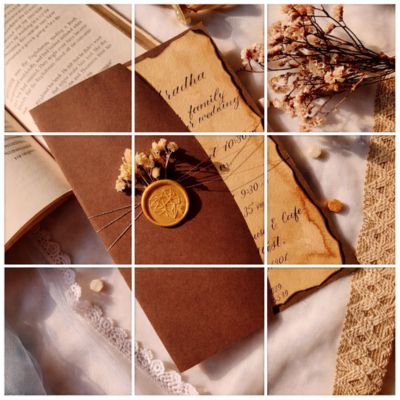
When people talk about an old fashioned invitation enclosure, they’re usually referring to the extra pieces of paper tucked neatly inside a formal invitation envelope. These aren’t decorative add-ons just for show. Traditionally, they served a clear purpose: to share important details without crowding the main invitation.
Think of it like sending a formal letter decades ago. You wouldn’t squeeze everything onto one page. Instead, you’d include separate notes for replies, directions, or additional instructions. That layered approach is what defines an old fashioned invitation enclosure.
At its core, an enclosure is any supplemental card placed inside the invitation envelope. In older etiquette traditions, this often included:
- A response card with a return envelope
- A reception or event details card
- A directions or location card
- Occasionally, a smaller note with special instructions
The idea was clarity and elegance. Each piece had one job, making the invitation easy to read and visually balanced.
Old fashioned doesn’t mean outdated or impractical. It simply reflects a time when written communication followed a more structured rhythm. Much like formal contracts or carefully drafted letters, each element had its place. That same logic still appeals today, especially for weddings, milestone celebrations, and formal gatherings.
On Empire magazines, readers often explore how traditional practices still influence modern lifestyles. Invitation enclosures fit right into that theme. They show how thoughtful design and clear communication can coexist, even in an age dominated by digital messages.
What makes these enclosures “old fashioned” is not just their presence, but how they’re used. The tone is typically formal, the layout restrained, and the materials carefully chosen. Everything works together to create a sense of intention rather than excess.
Historical Roots and Traditional Etiquette
To understand why invitation enclosures became standard, it helps to look at how formal correspondence worked in the past. Before digital tools and instant messaging, paper communication had to do all the work. There was no follow-up email or text reminder. Everything needed to be included, organized, and understood from the start.
Historically, etiquette manuals emphasized order and clarity. The main invitation announced the event. Enclosures handled the logistics. This separation was considered respectful, especially for formal occasions. It allowed hosts to share necessary information without overwhelming the guest.
Traditional etiquette followed a few consistent principles:
- The main invitation remained clean and uncluttered
- Supporting details were placed on separate cards
- Enclosures were stacked in a specific order inside the envelope
- The smallest card typically sat on top
This structure wasn’t about being rigid for the sake of it. It helped recipients immediately understand what they were holding. Much like opening a well-organized folder, each piece revealed information step by step.
There’s a parallel here with legal or financial documents. For example, a formal agreement often comes with schedules or appendices. The core message stays intact, while the details live elsewhere. Invitation enclosures worked the same way.
Another hallmark of old fashioned etiquette was restraint. Enclosures were never excessive. Hosts included only what guests truly needed. Adding unnecessary cards was considered wasteful or confusing. That mindset still resonates today, especially for people who appreciate minimalism with purpose.
While modern hosts sometimes bend these rules, the foundation remains useful. Even when adapting traditions, understanding their origins helps maintain balance. That’s why old fashioned invitation enclosures continue to influence contemporary invitation design.
Common Types of Old Fashioned Invitation Enclosures
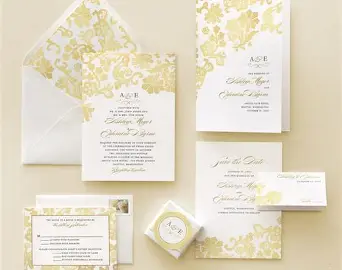
Although styles varied by region and occasion, certain enclosure types became widely accepted. Each served a specific role, and together they formed a complete invitation package.
Response Cards
The response card is perhaps the most recognizable enclosure. Traditionally, it included:
- A formal request for reply
- Space for the guest’s name
- Options to accept or decline
- A return envelope
In old fashioned settings, the wording was formal and indirect. Rather than saying “Please RSVP,” the card might read as a polite request for a response by a specific date. This kept the tone consistent with the main invitation.
Reception or Event Detail Cards
When the main event and the celebration took place at different locations, a separate card explained where and when guests should gather next. This avoided cluttering the primary invitation with too many details.
These cards often included:
- Venue name
- Address
- Time of the reception
- Optional notes about dress or format
Direction or Location Cards
Before digital maps were common, direction cards were essential. Hosts provided written instructions to help guests find the venue. These were especially important for rural locations or private residences.
Even today, this enclosure has symbolic value. It reflects care for the guest’s experience, ensuring they arrive without stress.
Additional Instruction Cards
Some invitations included a small card for special notes. This might cover things like:
- Seating instructions
- Special schedules
- Clarifications about the event format
Old fashioned etiquette favored brevity here. The goal was clarity, not commentary.
What ties all these together is intention. Each enclosure had a reason to exist. Nothing was added casually. That thoughtful approach is what gives old fashioned invitation enclosures their lasting appeal.
Design, Materials, and Presentation
Beyond content, the physical presentation played a major role. Old fashioned invitation enclosures were designed to feel cohesive, balanced, and refined.
Paper and Texture
Traditionally, heavier paper stocks were favored. Texture mattered. Subtle finishes conveyed seriousness and quality without being flashy. Thin or flimsy paper was avoided, as it suggested impermanence.
Size and Proportion
Enclosure cards were usually smaller than the main invitation. This created a visual hierarchy:
- Main invitation
- Supporting enclosure cards
- Response card
The sizes worked together, making the stack feel intentional rather than random.
Typography and Layout
Old fashioned designs leaned toward classic typefaces. Readability was more important than decoration. Generous spacing, centered text, and restrained formatting were common.
The goal wasn’t to impress with creativity, but to communicate with grace. Much like a well-written letter, the design stayed out of the way of the message.
Assembly Order
Even the order of placement mattered. Traditionally:
- The main invitation sat at the bottom
- Enclosures were layered on top from largest to smallest
- The response card often rested on top or inside its envelope
This careful assembly mirrored the structured thinking behind the invitation itself.
In a broader sense, this approach reflects how people once handled important communication across many areas of life. Whether drafting formal correspondence or preparing official documents, presentation reinforced credibility. Invitation enclosures followed the same logic.
Old Fashioned Enclosures in a Modern Context
While digital invitations are now common, old fashioned invitation enclosures haven’t disappeared. Instead, they’ve found a new role. Many hosts blend traditional structure with modern convenience.
For example, someone might include a classic response card while also offering an online reply option. Others might replace detailed direction cards with simpler notes, trusting guests to find digital maps if needed.
This evolution mirrors changes seen in other formal practices. Financial disclosures, contracts, and even real estate communications have adapted over time. The core structure remains, but flexibility increases.
The key is balance. Using old fashioned enclosures doesn’t require strict adherence to every rule. It means borrowing the principles that still make sense:
- Clear separation of information
- Respect for the recipient
- Thoughtful presentation
On Buz VistaHome, readers often explore how traditional ideas adapt rather than disappear. Invitation enclosures are a perfect example. They show that structure and elegance still have a place, even when technology offers faster alternatives.
Choosing an old fashioned approach can also signal intention. It tells guests the event matters enough to deserve care and planning. That message often resonates more than a quick digital notice.
Closing Thought
An old fashioned invitation enclosure is more than an extra piece of paper. It’s a reflection of thoughtful communication. By separating details, respecting tradition, and presenting information clearly, these enclosures create a calm and intentional experience for guests.
Whether used exactly as tradition intended or adapted for modern needs, the core idea remains relevant. Clear communication never goes out of style. Old fashioned invitation enclosures simply remind us that sometimes, slowing down and doing things with care can still make the strongest impression.
Frequently Asked Questions (FAQs)
1-What is an old fashioned invitation enclosure?
An old fashioned invitation enclosure is an extra card or paper included inside an invitation envelope to share additional details. These often include response cards, event details, directions, or special instructions. The main invitation stays simple, while enclosures handle supporting information.
2-Why were invitation enclosures used traditionally?
Before digital communication, all necessary information had to be delivered at once. Enclosures allowed hosts to organize details clearly without overcrowding the main invitation. This made the invitation easier to read and more formal in presentation.
2-What types of enclosure cards are considered traditional?
Common old fashioned enclosure cards include:
- RSVP cards with a return envelope
- Reception or event detail cards
- Direction or location cards
- Small instruction cards for special notes
Each card served a single purpose and was included only when necessary.
3-Are old fashioned invitation enclosures still appropriate today?
Yes. Many people still use them for weddings, formal celebrations, and milestone events. Some hosts follow tradition closely, while others adapt it by simplifying the wording or combining old-fashioned structure with modern response methods.
4-How many enclosure cards should be included?
There’s no fixed number. Traditionally, hosts included only what guests truly needed. Too many enclosures could feel overwhelming, while too few might leave guests confused. The focus has always been clarity rather than quantity.
5-Do old fashioned enclosures require formal wording?
Traditionally, yes. Old fashioned enclosures often use polite, formal language. However, modern hosts may soften the tone while keeping the structured format. The key is consistency between the main invitation and the enclosure cards.
6-What size are traditional invitation enclosures?
Enclosure cards are usually smaller than the main invitation. This creates a clear visual hierarchy when stacked inside the envelope. The exact size can vary, but proportion and balance are more important than specific measurements.
7-How are enclosure cards placed inside the envelope?
Traditionally, the main invitation goes at the bottom, with enclosure cards layered on top from largest to smallest. The response card often sits on top or inside its own envelope. This order helps recipients review information smoothly.
8-Are old fashioned invitation enclosures only for weddings?
No. While they’re commonly associated with weddings, they’re also used for formal dinners, anniversaries, charity events, and other structured gatherings where clear communication matters.
9-Can old fashioned enclosures be simplified?
Absolutely. Many hosts keep the traditional look but reduce the number of cards or simplify wording. The goal is to preserve the sense of care and clarity without unnecessary complexity.
10-What makes an invitation enclosure feel “old fashioned” rather than modern?
It’s usually a mix of factors: formal tone, separate cards for details, classic layout, and a restrained design approach. Even when adapted, the emphasis on structure and intention gives it that traditional feel.