

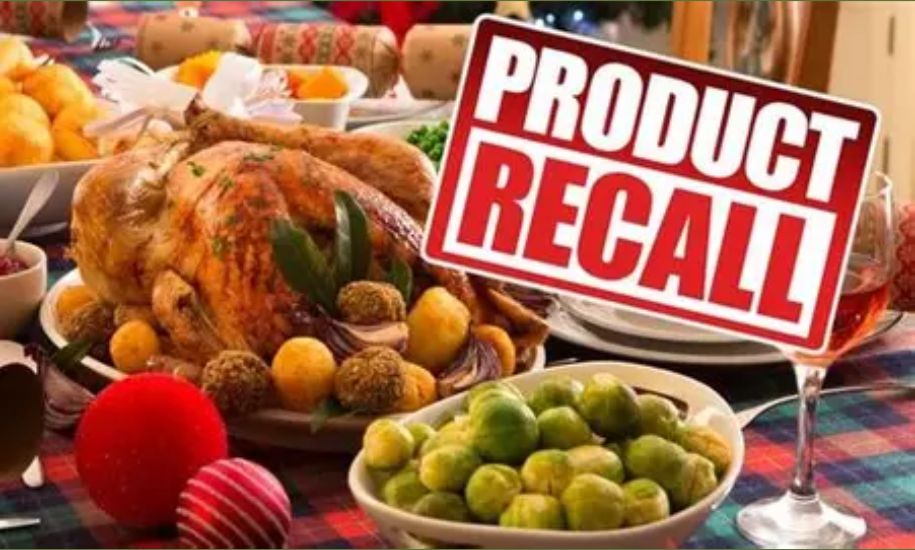
The holiday season is usually associated with comfort food, family gatherings, and overflowing tables. Yet every year around Christmas, food recalls quietly increase, often catching consumers off guard. These recalls are not necessarily a sign that holiday food is unsafe overall, but they do reflect how complex and pressured the food supply chain becomes during peak seasonal demand.
Understanding Christmas food recalls helps consumers make informed choices without unnecessary fear. It also sheds light on how food safety systems work, why recalls are issued, and what steps households can take if a product is affected. At Buz Vista, the goal is always to explain complicated topics in plain language, and this subject is no exception.
What Christmas Food Recalls Really Mean
A recall is a safety action, not a failure
A food recall happens when a product is removed from sale or use because it may pose a health risk. This can be due to contamination, incorrect labeling, or packaging problems. Importantly, recalls are usually precautionary. They are often issued before any illness is reported, based on testing, inspections, or internal quality checks.
During Christmas, recalls tend to receive more attention because food purchases increase sharply. Seasonal items are produced in larger volumes, stored longer, and shipped farther. This creates more opportunities for small errors to surface.
A recall does not automatically mean a product is dangerous to everyone. Some recalls only affect people with specific allergies, while others relate to quality concerns rather than immediate health risks. Understanding the reason behind a recall matters more than reacting to the word itself.
Why recalls appear more common during the holidays
Christmas food recalls often feel more frequent for a few key reasons:
- Higher production volume: Manufacturers scale up production to meet holiday demand.
- Seasonal recipes: Limited-time products may involve new ingredients or suppliers.
- Compressed timelines: Food is produced, packaged, and shipped faster than usual.
- Longer storage periods: Products may sit in freezers or pantries until late December.
These factors don’t mean companies are careless. They simply reflect how complex food logistics become during the busiest shopping period of the year.
The Most Common Reasons for Christmas Food Recalls
Undeclared allergens lead the list
The most frequent reason for holiday food recalls is undeclared allergens. This happens when a label fails to list ingredients like milk, eggs, nuts, soy, or wheat. For someone with allergies, even a small labeling mistake can pose a serious risk.
Holiday foods often combine multiple ingredients, coatings, fillings, or sauces. When recipes are adjusted or produced in shared facilities, allergen labeling becomes more complicated. Even a missing line on a label can trigger a recall.
It’s important to note that undeclared allergens don’t mean the food is contaminated. The product may be safe for most consumers, but regulations require clear labeling to protect vulnerable groups.
Microbial contamination concerns
Another common cause of Christmas food recalls is potential contamination from bacteria such as salmonella or listeria. These microorganisms can sometimes be detected through routine testing, even when no illnesses have been reported.
Certain holiday foods are more sensitive to this risk:
- Ready-to-eat items
- Refrigerated or frozen products
- Foods handled after cooking
- Items with long shelf lives
When tests suggest contamination may be present, recalls are issued as a preventive measure. This reflects caution, not panic.
Foreign materials and packaging issues
Occasionally, recalls occur due to foreign materials such as plastic fragments, metal pieces, or stones. These incidents often result from equipment wear, raw ingredient sourcing, or packaging malfunctions.
While such recalls can sound alarming, they are typically limited to specific batches. The purpose is to remove potentially affected units before harm occurs.
Date, storage, and labeling errors
Some Christmas food recalls involve incorrect expiration dates, storage instructions, or product descriptions. For example, a frozen product labeled as shelf-stable could pose a safety risk if stored incorrectly.
These recalls highlight how small labeling details matter, especially during high-volume seasonal production.
How Food Recalls Are Identified and Managed
Monitoring systems behind the scenes
Food safety relies on multiple layers of oversight. Manufacturers conduct internal testing, regulators perform inspections, and retailers monitor customer feedback. Any of these channels can uncover an issue that leads to a recall.
Think of it like quality control in financial reporting. Just as a real estate firm such as Ashcroft Capital would review data before releasing information to investors, food producers rely on checks and audits to ensure accuracy and safety. When something doesn’t align, corrective action follows.
Voluntary vs. mandatory recalls
Most Christmas food recalls are voluntary. This means the company identifies the issue and initiates the recall on its own. Mandatory recalls are less common and usually occur when a company does not act quickly enough.
Voluntary recalls are generally seen as a responsible step. They indicate that monitoring systems are working and that companies are acting to reduce risk.
How recalls are communicated
Once a recall is issued, information is shared through public notices, retailers, and customer service channels. Details typically include:
- Product description
- Batch or lot numbers
- Reason for the recall
- Instructions for consumers
Consumers are usually advised to return, discard, or avoid consuming the affected product. Refunds or replacements are commonly offered.
What Consumers Can Do During the Holiday Season
Staying informed without becoming anxious
The idea of Christmas food recalls can feel unsettling, but awareness does not require fear. Most households will never encounter a recalled product. Even when they do, the guidance is usually straightforward.
Simple steps can help consumers stay informed:
- Check labels carefully, especially for allergens
- Keep packaging until products are used
- Store food according to instructions
- Pay attention to recall notices during the holidays
Being informed is about preparedness, not constant worry.
What to do if a product is recalled
If you discover that a product in your home is part of a recall, the recommended steps are usually clear:
- Do not consume the product
- Follow disposal or return instructions
- Clean any surfaces that may have contacted the food
- Contact the seller if questions remain
In most cases, there is no need to panic or seek medical attention unless symptoms appear.
Special considerations for families and gatherings
Holiday meals often involve guests with different dietary needs. When cooking for groups:
- Ask about allergies in advance
- Keep ingredient packaging available
- Avoid mixing serving utensils
- Label homemade dishes clearly
These habits reduce risk and make gatherings safer for everyone.
Why Christmas Food Recalls Don’t Mean the System Is Broken
Recalls are part of prevention, not proof of danger
It’s easy to assume that recalls signal widespread food safety problems. In reality, they demonstrate how detection systems are designed to work. Identifying potential issues before they cause harm is the goal.
Food safety today involves testing, traceability, and rapid communication. Compared to past decades, recalls are often faster, more precise, and more transparent.
Seasonal pressure vs. year-round standards
While Christmas increases production pressure, safety standards remain consistent throughout the year. The difference is visibility. When more food is produced and consumed, even rare issues are more noticeable.
This is similar to increased financial audits during peak reporting periods. More activity means more scrutiny, not necessarily more wrongdoing.
Trust built through transparency
Clear recall notices help build long-term trust. When companies acknowledge issues openly, consumers can make informed decisions. Silence or delay would create far greater concern.
At Buz Vista, transparency is always valued over speculation. Facts matter more than fear, especially when discussing public safety topics.
Conclusion: A Clearer View of Christmas Food Recalls
Christmas food recalls are a seasonal reality, not a seasonal crisis. They reflect the complexity of modern food production during the busiest time of year and the safeguards designed to protect consumers.
Most recalls are precautionary, limited in scope, and handled quickly. Understanding why they happen and how to respond allows households to enjoy the holidays with confidence rather than concern.
By staying informed, reading labels, and following recall guidance when necessary, consumers can focus on what truly matters during the season: good food, shared moments, and peace of mind.
Frequently Asked Questions About Christmas Food Recalls
What are Christmas food recalls?
Christmas food recalls are safety actions taken during the holiday season when certain food products may pose a health risk. These recalls can happen due to labeling errors, contamination concerns, or packaging issues.
Why do food recalls seem more common around Christmas?
Food production increases significantly before Christmas. Seasonal recipes, higher demand, faster distribution, and longer storage times can increase the chance of errors being detected, leading to more recalls during this period.
Does a food recall mean the product is dangerous?
Not always. Many recalls are precautionary. Some only affect people with specific allergies, while others address potential issues that have not caused harm but could under certain conditions.
What is the most common reason for Christmas food recalls?
Undeclared allergens are the most common cause. A missing or incorrect ingredient label can be dangerous for people with food allergies, even if the product itself is otherwise safe.
Are recalled foods always linked to illness?
No. Many recalls are issued before anyone becomes ill. They are often based on testing results, inspections, or quality checks designed to prevent possible harm.
How can I tell if a product I bought has been recalled?
Recall notices usually include product names, batch numbers, and date information. Keeping original packaging and checking updates during the holidays can help identify affected items.
What should I do if I have a recalled food item at home?
You should not consume the product. Follow the instructions provided, which usually involve discarding the item or returning it for a refund. Clean any surfaces that may have touched the food.
Should I be worried about serving holiday food to guests?
There is no need for excessive concern. Simple precautions such as checking labels, asking about allergies, and handling food properly help reduce risk and keep gatherings safe.
Are homemade foods affected by recalls?
Recalls generally apply to commercial products, not homemade food. However, similar safety principles apply, such as proper storage, clean preparation, and clear ingredient communication.
Do food recalls mean safety regulations are failing?
No. Recalls often show that safety systems are working as intended. Identifying and addressing potential risks before they cause harm is a key part of food safety regulation.
Are Christmas food recalls limited to certain types of food?
They often involve ready-to-eat meals, frozen items, desserts, and holiday specialty products, but any food category can be affected depending on the issue.
How can consumers stay informed without feeling overwhelmed?
Staying aware during peak holiday weeks, reading labels carefully, and responding calmly to recall notices is usually enough. Most people will never be directly affected.