

In an era where smartphones have become an extension of our daily lives, the FBI warns smartphone users about a rapidly escalating wave of cybercrime that exploits trust, convenience, and technology itself. Smartphones now store everything from banking credentials and personal photos to authentication codes and private conversations. While this convenience has transformed how we live and work, it has also turned mobile devices into one of the most lucrative targets for cybercriminals.
The Federal Bureau of Investigation has repeatedly issued alerts highlighting how scammers are evolving faster than ever—using phone calls, text messages, apps, QR codes, artificial intelligence, and even spoofed search results to deceive users. These threats are no longer limited to tech-savvy hackers targeting corporations; everyday smartphone users are now on the front lines.
This article explores why the FBI warns smartphone users, the most common scams currently in circulation, how criminals exploit mobile technology, and what steps users can take to protect themselves. As cybercrime becomes more sophisticated and personalized, awareness is no longer optional—it is essential.
The FBI’s Role in Smartphone Cybersecurity

The FBI is not just a traditional law enforcement agency—it plays a major role in combating cybercrime through its Cyber Division and the Internet Crime Complaint Center (IC3). The IC3 collects reports from victims across the United States and analyzes trends in digital crime, including those that specifically target smartphone users.
When the FBI warns smartphone users, these alerts are typically based on:
- A sharp rise in reported incidents
- Verified financial losses affecting thousands of victims
- New scam techniques that bypass existing security measures
- Intelligence shared with federal and international cybersecurity partners
Unlike rumors or viral social media warnings, FBI alerts are grounded in real data, ongoing investigations, and confirmed criminal activity.
Why Smartphones Are Prime Targets for Criminals

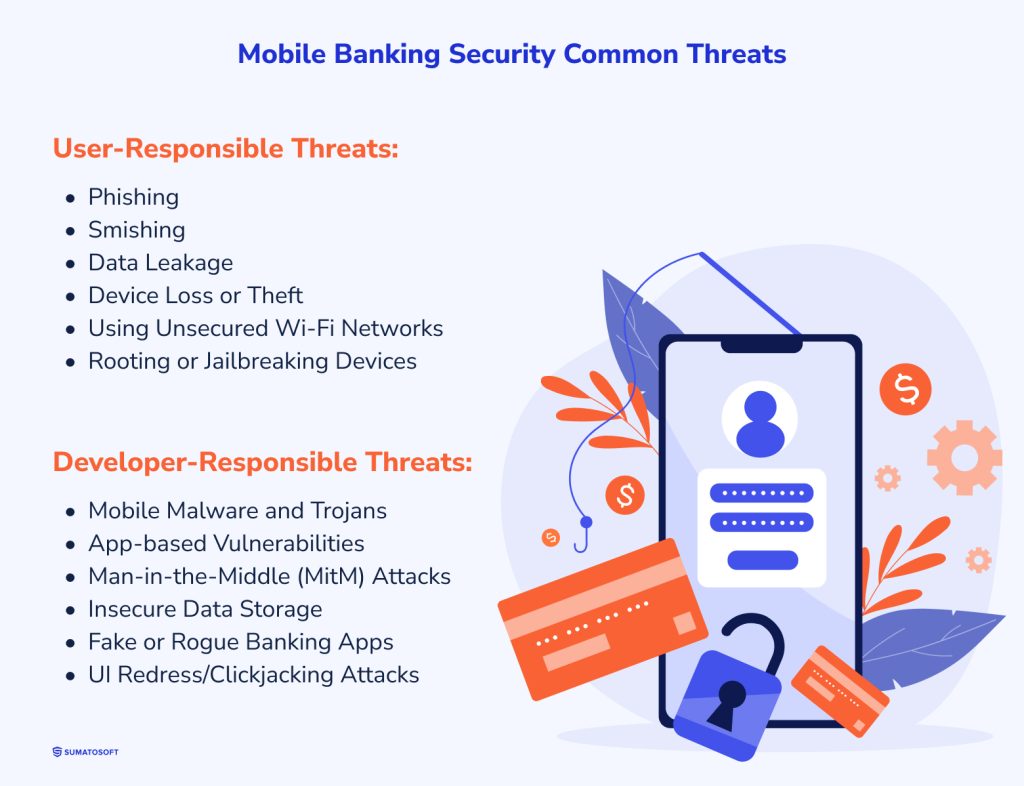
Smartphones are uniquely valuable to cybercriminals for several reasons:
1. Centralized Personal Data
A single smartphone often contains:
- Banking and payment apps
- Email accounts
- Social media profiles
- Contact lists
- Saved passwords
- Authentication apps
Compromising one device can grant criminals access to an entire digital identity.
2. Always Connected
Smartphones are almost always online, making them ideal targets for real-time scams via calls, texts, and app notifications.
3. Trust Factor
People tend to trust messages received on their phones more than emails. A text or call feels personal and urgent, which scammers exploit.
4. Smaller Screens, Faster Decisions
On a small screen, it is harder to verify URLs, detect subtle spelling errors, or analyze suspicious links—leading to impulsive clicks.
Phone Call Scams: “Do Not Answer These Calls”
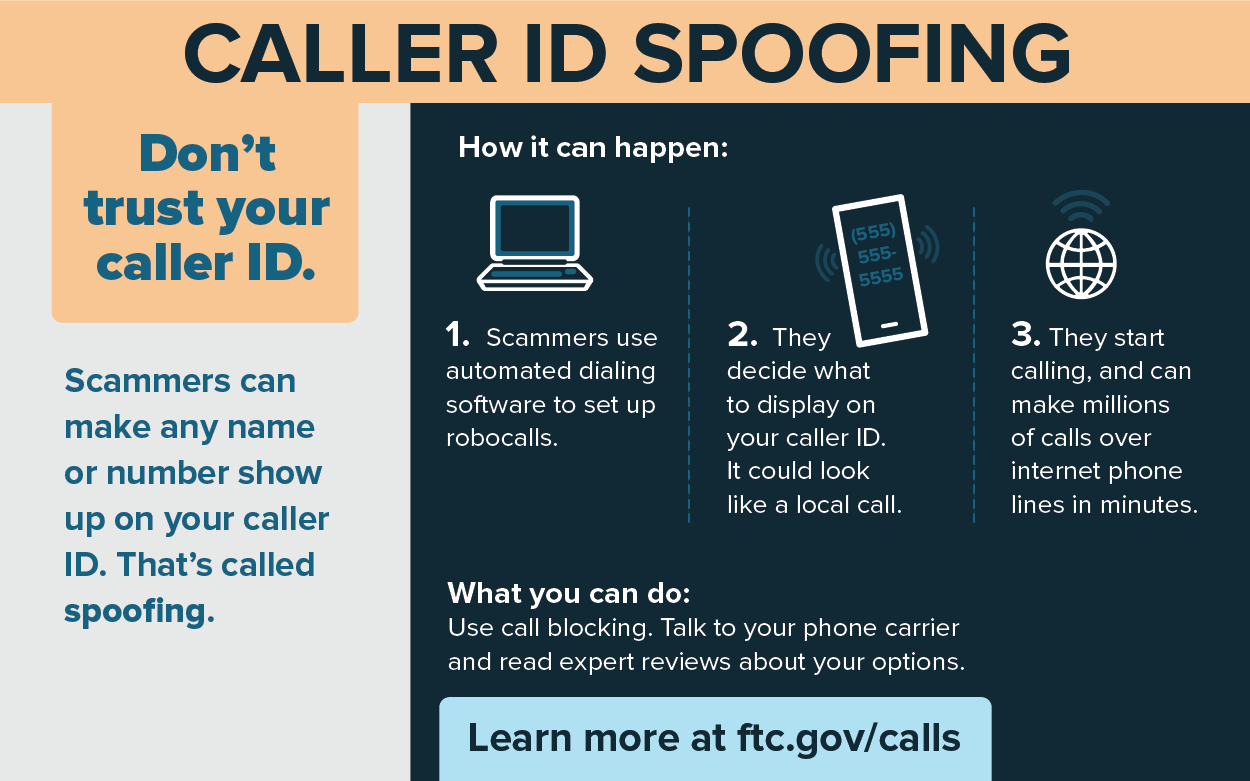
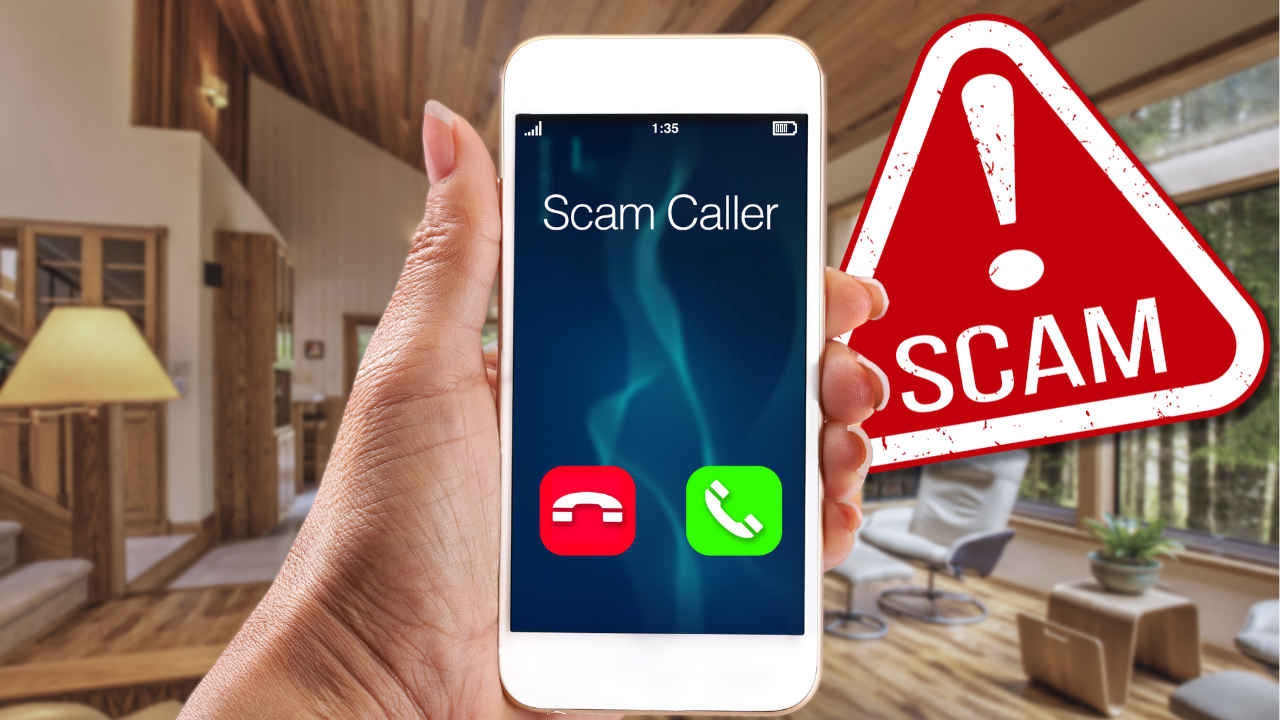
One of the most widely publicized alerts where the FBI warns smartphone users involves phone call scams using spoofed caller IDs. These scams often appear to come from:
- Banks
- Government agencies
- Credit card companies
- Tech support services
Criminals manipulate caller ID systems so that the incoming call looks legitimate. Once answered, the scammer creates urgency—claiming fraud, suspicious activity, or legal trouble.
Common Tactics Used in Scam Calls
- Asking users to “verify” account information
- Requesting one-time passcodes sent via SMS
- Instructing victims to move money “for safety”
- Threatening arrest, account closure, or fines
The FBI emphasizes that legitimate institutions never ask for passwords or one-time codes over the phone. Hanging up and calling the official number directly is one of the strongest defenses.
Smishing: Text Message Scams on the Rise

Smishing—phishing via SMS—has become one of the fastest-growing smartphone threats. According to FBI data, smishing campaigns have surged due to their low cost and high success rate.
Popular Smishing Themes
- Unpaid toll or parking fees
- Package delivery problems
- Bank account alerts
- Subscription renewals
- Security warnings
These messages often include a malicious link that leads to:
- Fake login pages
- Malware downloads
- Data-harvesting forms
Once a user clicks the link, criminals can steal credentials, install spyware, or redirect payments.
The FBI warns smartphone users to delete suspicious texts immediately and avoid interacting with unknown senders.
Account Takeover Scams: Losing Control in Minutes
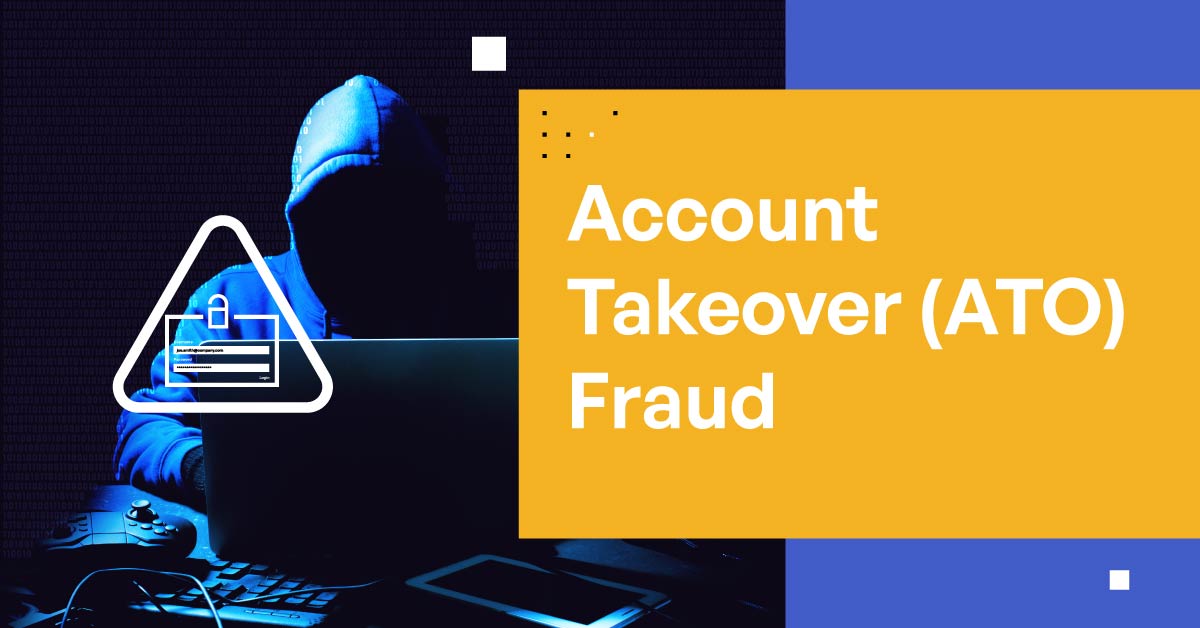
Account takeover scams are particularly damaging because they allow criminals to lock victims out of their own accounts. These attacks often begin with a phone call or text but quickly escalate.
How Account Takeovers Happen
- Criminal obtains login credentials through phishing or smishing
- Passwords are changed immediately
- Two-factor authentication is rerouted
- Victim loses access to email, banking, or social media
Once inside, scammers can:
- Drain bank accounts
- Apply for loans or credit
- Impersonate victims to scam others
The FBI has reported hundreds of millions of dollars lost annually to account takeover schemes, many of which originate on smartphones.
QR Code Scams: A New Mobile Threat

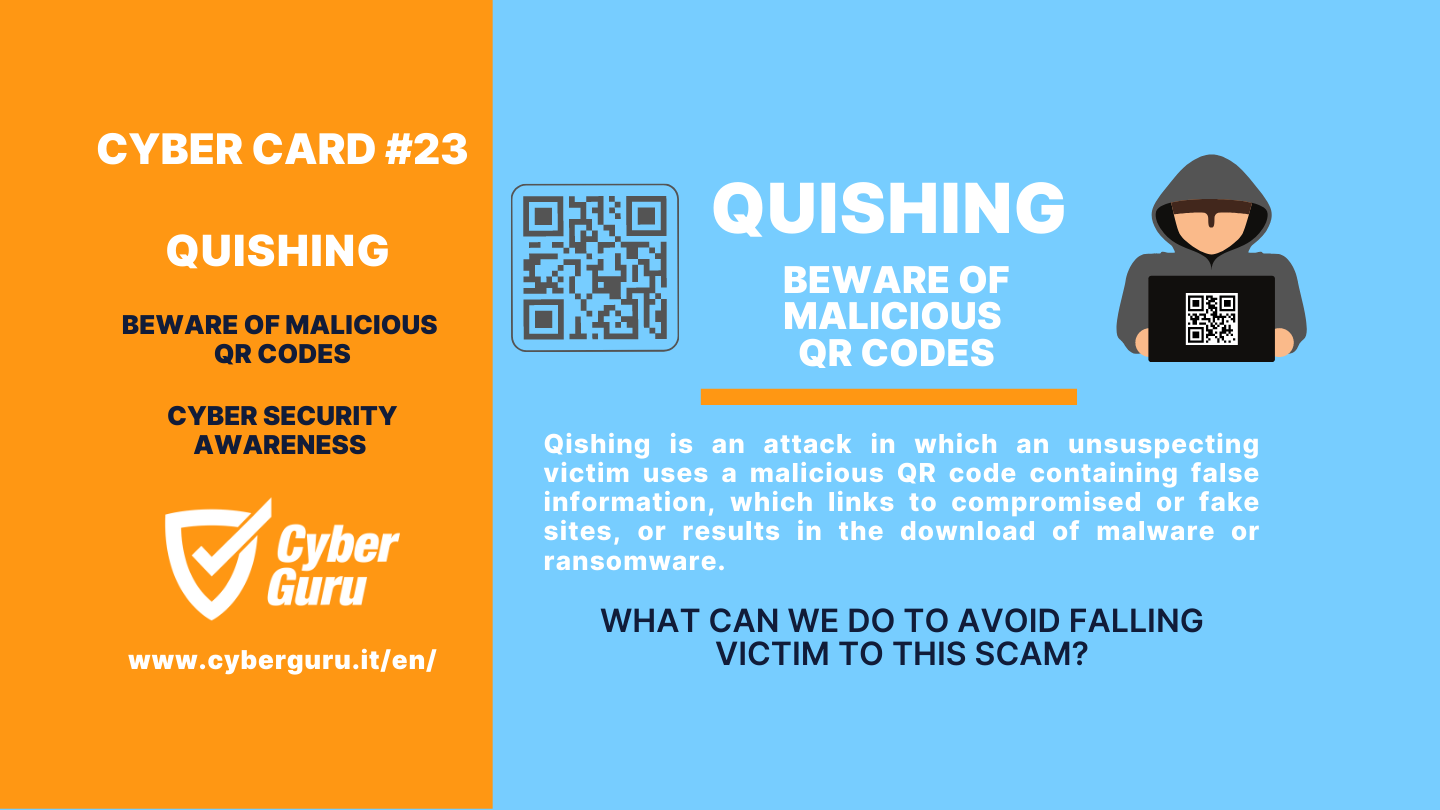
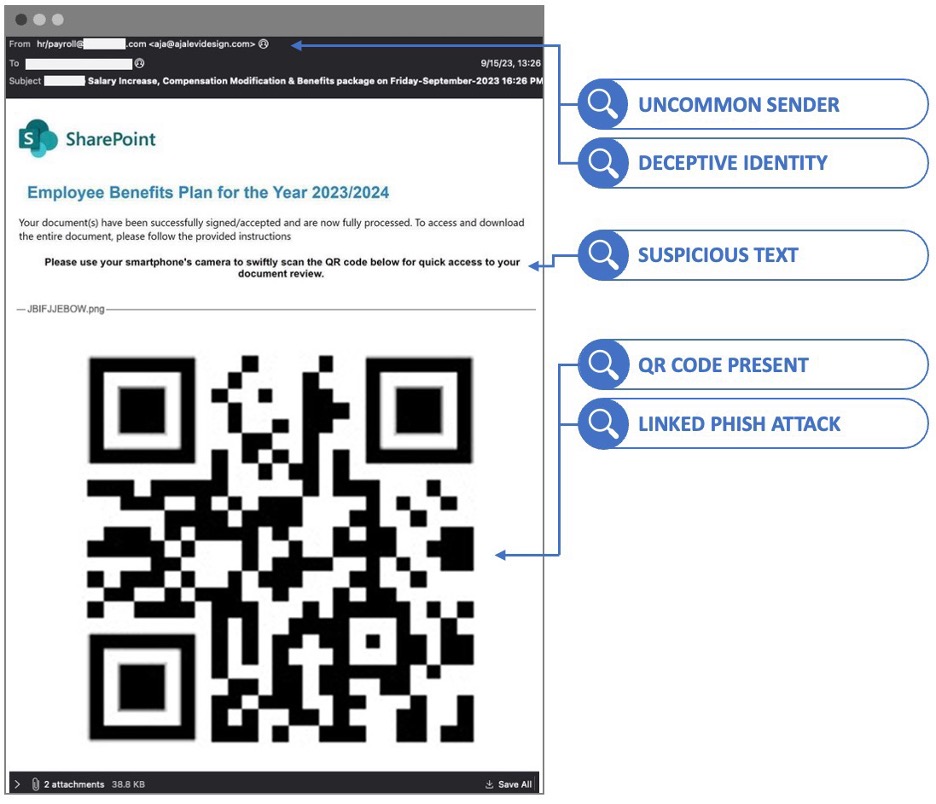
QR codes are now everywhere—restaurants, parking meters, mail packages, and advertisements. Criminals exploit this trust by placing fake QR codes that redirect users to malicious websites.
Common QR Code Scam Locations
- Parking payment signs
- Fake delivery notices
- Public posters
- Unsolicited mail
Because QR codes hide the actual URL, users often scan without hesitation. The FBI warns smartphone users that QR codes can be just as dangerous as suspicious links.
AI and Deepfake Scams Targeting Smartphone Users

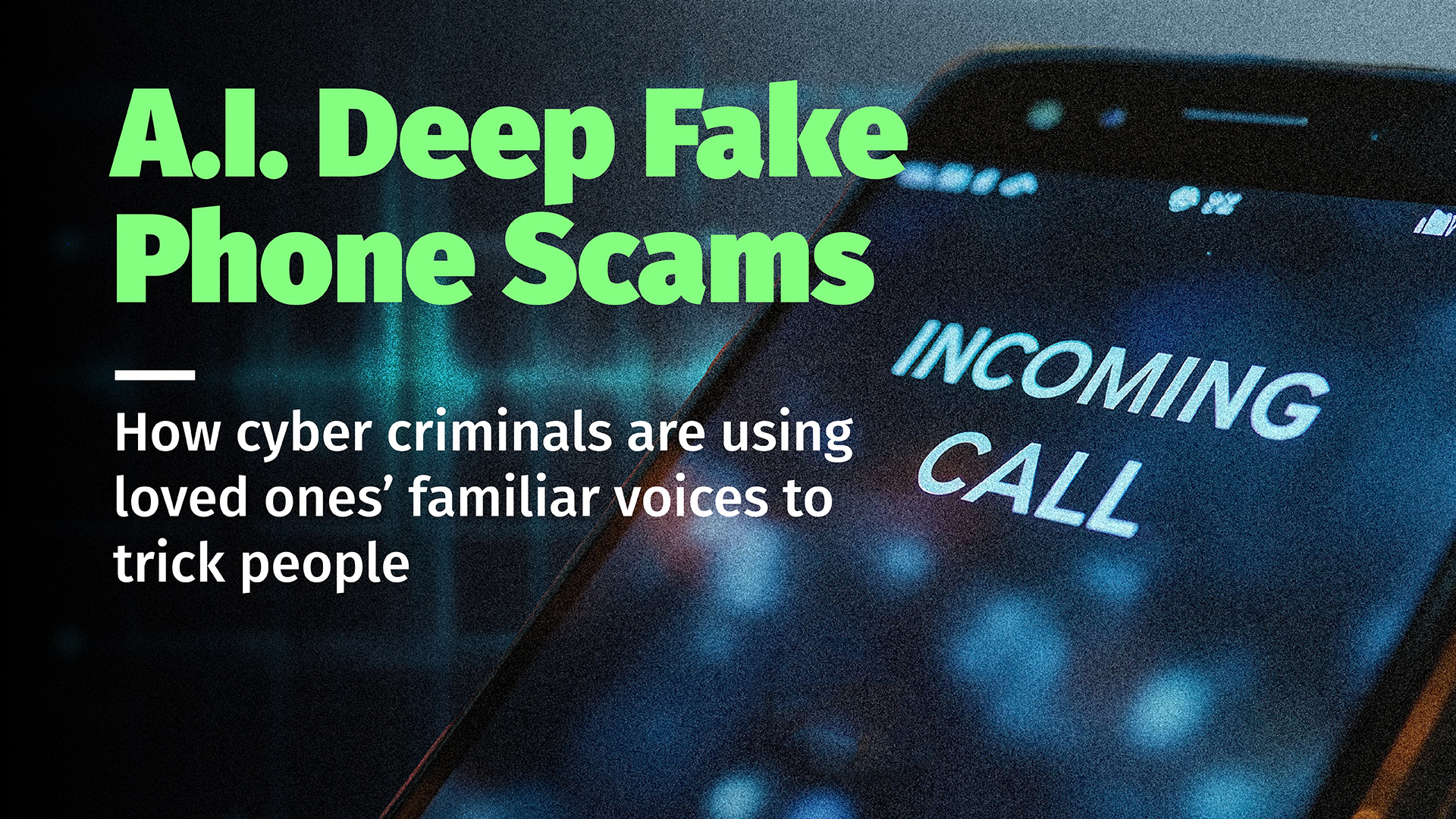
One of the most alarming developments is the use of artificial intelligence in smartphone scams. Criminals now use AI-generated voices to impersonate:
- Family members
- Executives
- Authority figures
Virtual Kidnapping Scams
Victims receive phone calls claiming a loved one has been kidnapped. AI-generated voices scream or plead for help, pressuring victims to send money immediately.
The FBI warns smartphone users that emotional manipulation powered by AI is becoming a major cybercrime weapon.
Spyware, Apps, and Mobile Surveillance Risks


4
Malicious apps and spyware can infect smartphones through:
- Fake app stores
- Compromised websites
- Infected attachments
Once installed, spyware can:
- Monitor messages and calls
- Track location
- Record keystrokes
- Steal credentials
The FBI advises users to download apps only from official stores and regularly review app permissions.
Why the FBI Emphasizes Encrypted Messaging


4
In several advisories, the FBI has highlighted the importance of encrypted messaging platforms to reduce interception risks. While encryption does not eliminate scams, it significantly reduces unauthorized access by third parties.
However, the FBI also warns that encryption does not protect users from social engineering—human deception remains the weakest link.
How Smartphone Users Can Protect Themselves
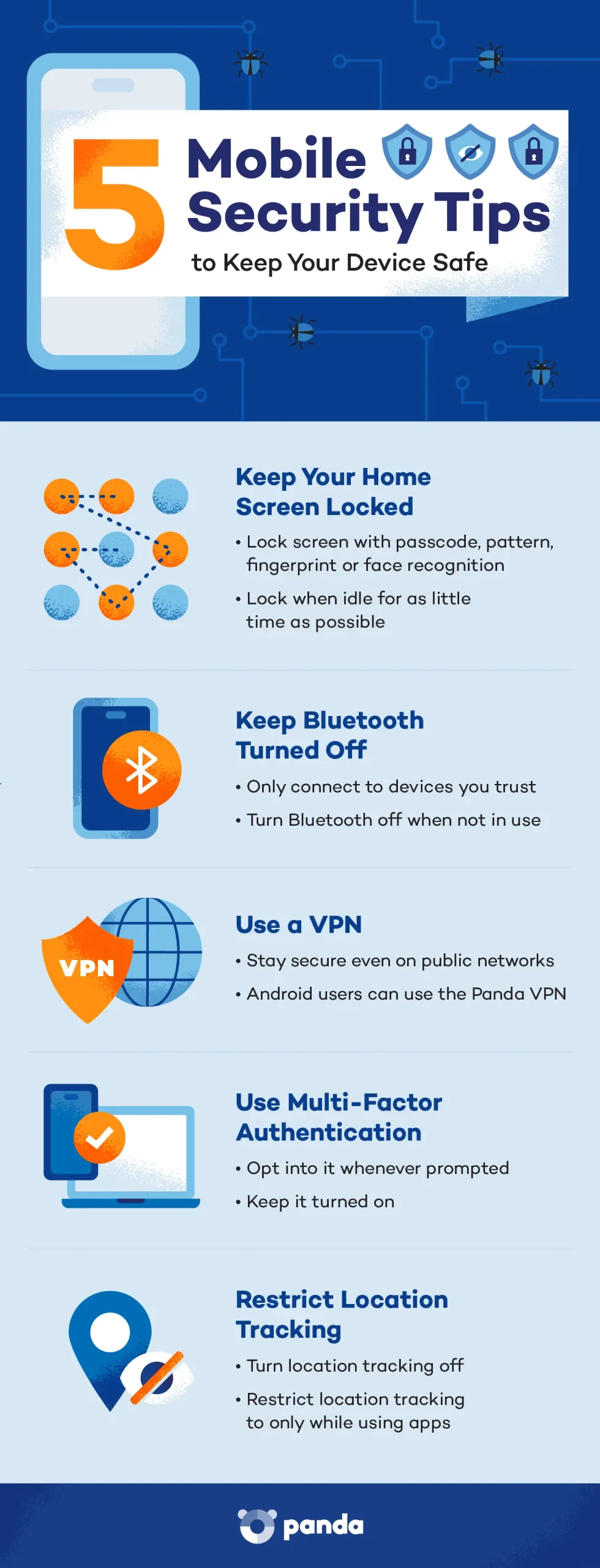
Essential FBI-Recommended Safety Practices
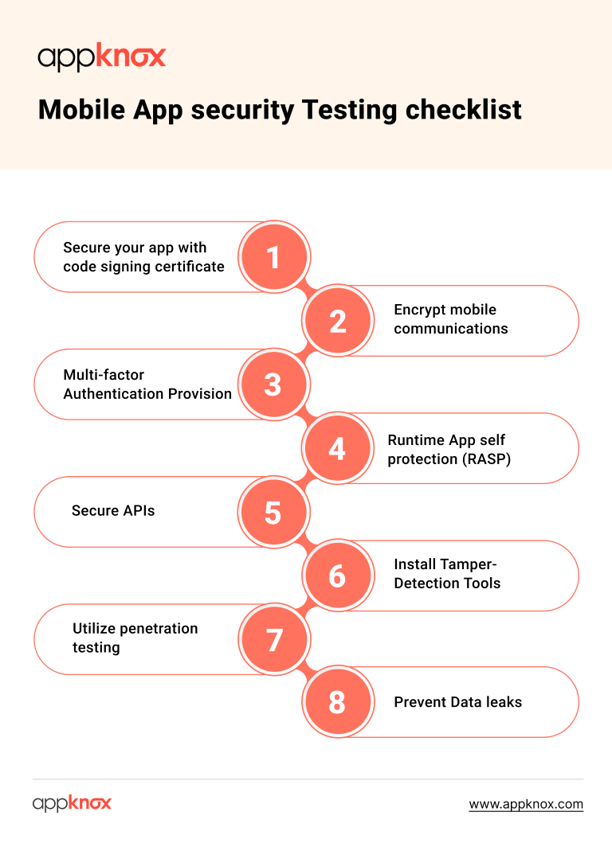
- Never share one-time passcodes
- Verify callers independently
- Avoid clicking unknown links
- Use strong, unique passwords
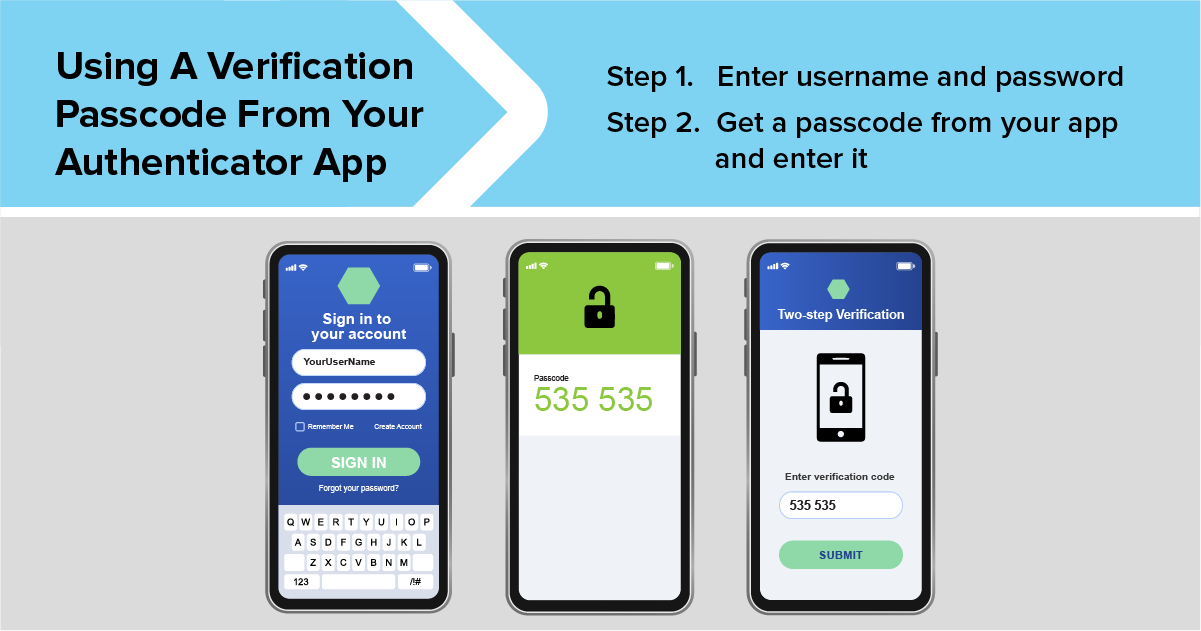
- Enable multi-factor authentication
- Keep operating systems updated
- Monitor financial statements regularly
Cybersecurity is no longer optional; it is part of daily digital hygiene.
The Financial and Emotional Cost of Mobile Scams


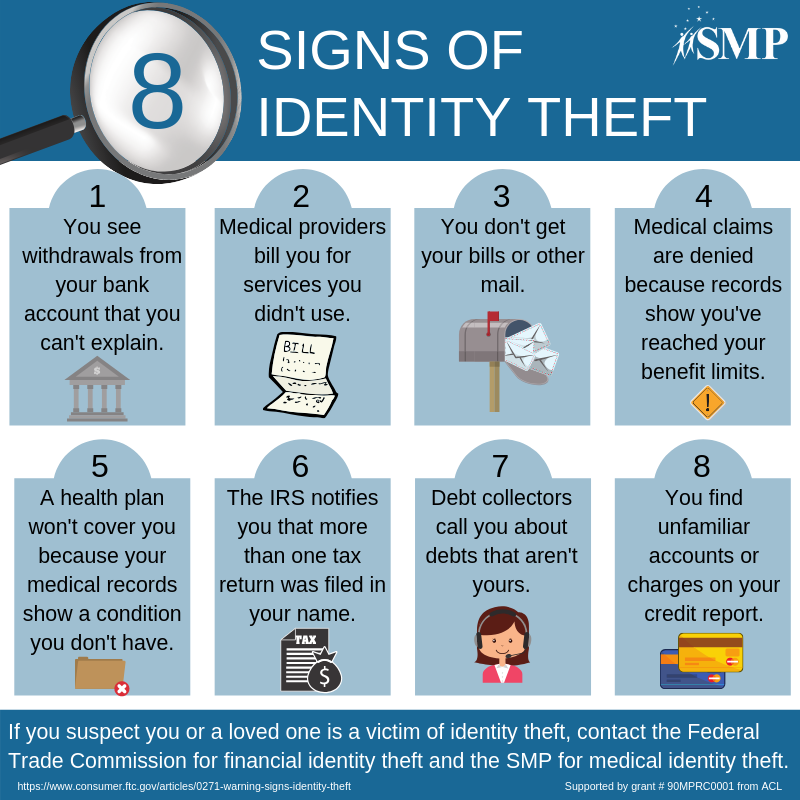
Beyond financial losses, smartphone scams cause:
- Emotional distress
- Loss of trust
- Damage to personal relationships
- Long-term identity theft issues
The FBI stresses that victims should report incidents immediately, as early reporting increases the chance of recovery and helps protect others.
Reporting Smartphone Scams to the FBI

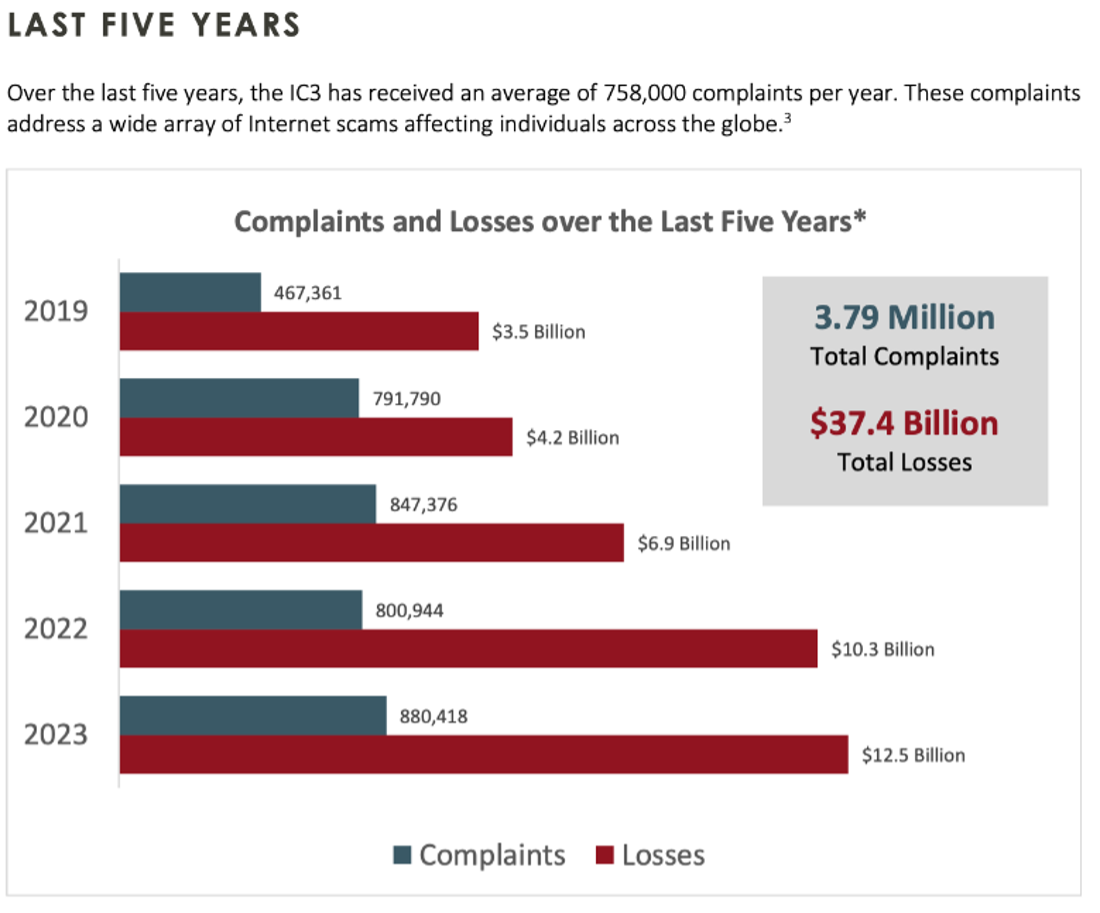

Victims and witnesses are encouraged to report smartphone scams through the FBI’s official cybercrime reporting channels. Reports help identify patterns, shut down criminal networks, and issue public warnings faster.
The Bigger Picture: A Digital Wake-Up Call
The message is clear: when the FBI warns smartphone users, it signals a shift in how crime operates in the digital age. Smartphones are no longer just communication tools—they are gateways to our financial, professional, and personal lives.
Cybercriminals thrive on speed, fear, and distraction. The best defense is awareness combined with cautious behavior. Every ignored suspicious call, deleted text, and verified request reduces the power of these scams.
As cyber threats continue to evolve, staying informed is the strongest form of protection.
Final Thoughts from Buz Vista
In a world where digital convenience often outweighs caution, the FBI’s warnings serve as a critical reminder that smartphone security is everyone’s responsibility. From scam calls and smishing texts to AI-driven deception and QR code traps, the threats facing mobile users are more sophisticated than ever.
At Buz Vista, we believe that informed users are empowered users. By understanding these warnings and sharing accurate information, we can help reduce the impact of cybercrime and build a safer digital future for all.