

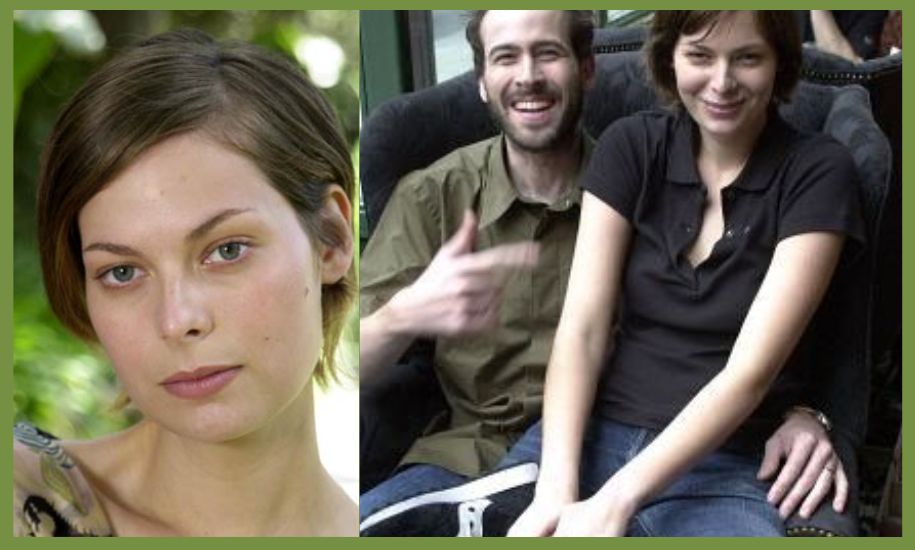
Carmen Llywelyn occupies a distinctive place in late-1990s American independent cinema, not because of blockbuster fame or long-running franchises, but because of the authenticity and restraint she brought to a small number of memorable roles. Emerging during a period when indie film culture was reshaping Hollywood’s creative boundaries, Llywelyn became associated with character-driven storytelling, understated performances, and a generation of filmmakers who valued realism over spectacle. While her on-screen career was relatively brief, her influence continues to resonate among fans of cult cinema, particularly those drawn to films that explored identity, relationships, and emotional honesty rather than formulaic narratives.
Born on August 16, 1973, in Atlanta, Georgia, Carmen Llywelyn grew up with creative inclinations that eventually led her toward acting. Like many aspiring performers of her generation, she relocated to Los Angeles in her late teens, entering an industry that was undergoing a significant transformation. The 1990s saw a surge in independent filmmaking, driven by directors who rejected studio norms and focused on personal, often provocative storytelling. Llywelyn’s timing placed her directly in the path of this movement, and her early work reflected the raw, unpolished energy that defined the era.
Early Career and Entry into Independent Film
Carmen Llywelyn’s acting debut came in the mid-1990s, a period when independent films were gaining mainstream attention through festivals and word-of-mouth success. Her first notable appearance was in Drawing Flies (1996), a low-budget film that showcased her naturalistic acting style. Rather than relying on theatrical delivery, Llywelyn favored subtle expressions and conversational realism, traits that aligned well with the indie film aesthetic of the time. This performance helped establish her credibility within a tight-knit creative circle of actors and filmmakers who frequently collaborated across multiple projects.
Her breakthrough arrived shortly thereafter with Chasing Amy (1997), a film that would become a cultural touchstone for discussions about sexuality, relationships, and emotional vulnerability in modern cinema. In this film, Llywelyn played Kim, a supporting but memorable character whose presence contributed to the story’s grounded emotional tone. Although her screen time was limited, her performance was widely noted for its sincerity, and it introduced her to a much broader audience. The film’s lasting popularity has ensured that Carmen Llywelyn remains part of conversations about influential 1990s cinema decades later.
Expanding Roles and Mainstream Exposure
Following Chasing Amy, Carmen Llywelyn appeared in a series of films that balanced independent credibility with modest mainstream exposure. She took on roles in projects such as A Better Place (1997) and Never Been Kissed (1999), demonstrating her ability to adapt to different tones and genres. While she never pursued traditional Hollywood stardom, these roles showed that she could comfortably navigate both intimate indie productions and larger studio environments.
One of her most substantial performances came in Free (2001), where she played the lead role of Laura. This film allowed Llywelyn to explore a more complex emotional range, portraying a character grappling with identity and personal freedom. Critics and audiences who followed her career viewed this role as a culmination of her acting journey, highlighting her strengths as a performer who excelled in introspective, character-focused narratives. Despite the film’s limited commercial reach, it remains an important entry in her filmography.
Association with Cult Cinema and Kevin Smith’s Universe
Carmen Llywelyn’s name is frequently linked with the cult following surrounding Kevin Smith’s interconnected films, often referred to as the View Askewniverse. Her appearances in Chasing Amy and later in Jay and Silent Bob Strike Back (2001) positioned her within a cinematic universe that has maintained a devoted fan base for decades. These films, known for their sharp dialogue and cultural commentary, continue to attract new viewers through streaming platforms and home media releases.
For fans interested in revisiting this era of filmmaking, physical media collections and curated editions of 1990s cult films remain popular. Many collectors look for well-reviewed DVD and Blu-ray releases that preserve behind-the-scenes content and commentary, which adds context to performances like Llywelyn’s. Resources such as this curated Amazon listing — https://amzn.to/3NNWABV — are often explored by cinephiles seeking quality editions of cult and indie films from that period, making them relevant for readers rediscovering Carmen Llywelyn’s work today.
Life Beyond Acting and Transition to Photography
Unlike many actors who struggle to redefine themselves after stepping away from film, Carmen Llywelyn transitioned into a creative field that allowed for greater personal control and expression. She became a fine art photographer, focusing on visual storytelling that echoed the introspective qualities of her acting work. Photography offered her the freedom to explore themes of identity, emotion, and human connection without the constraints of film production schedules or industry expectations.
Her photographic work, though less publicized than her acting roles, reflects a consistent artistic voice. Rather than chasing visibility, Llywelyn has maintained a low-profile presence, choosing projects that align with her personal values. This decision has contributed to her mystique, as fans often express curiosity about her life beyond the screen. In an era dominated by constant online exposure, her selective engagement with the public stands out as a deliberate and thoughtful choice.
Personal Challenges and Public Advocacy
Carmen Llywelyn’s personal life entered the public conversation primarily due to her experiences with the Church of Scientology and her marriage to actor Jason Lee. After joining the organization in the 1990s, she later distanced herself from it, citing personal and emotional conflicts. Years later, she publicly shared her experiences, offering a candid account of the pressures she faced and the consequences of leaving the organization. Her willingness to speak openly added another dimension to her public identity, shifting attention from her acting career to her role as an individual willing to discuss difficult personal truths.
This period of her life underscored a recurring theme in her story: independence. Whether in choosing selective acting roles, leaving Hollywood, or publicly addressing personal challenges, Llywelyn consistently demonstrated a commitment to autonomy. For many readers, this aspect of her life is as compelling as her filmography, contributing to ongoing interest in her story.
Cultural Legacy and Continued Interest
Although Carmen Llywelyn has not appeared in films for many years, her work remains relevant within discussions of 1990s independent cinema. Film students, critics, and enthusiasts often revisit her performances as examples of understated acting that prioritizes authenticity over dramatization. The enduring popularity of Chasing Amy and related films ensures that her name continues to surface in retrospectives, online forums, and curated film lists.
Modern audiences discovering her work for the first time frequently seek additional context, including interviews, behind-the-scenes insights, and physical or digital film collections. This renewed interest aligns with broader trends in media consumption, where nostalgia and rediscovery play significant roles. Carefully curated resources, such as Amazon-ranked film collections linked above, often serve as entry points for viewers exploring the cultural impact of actors like Carmen Llywelyn.
Why Carmen Llywelyn Still Matters
Carmen Llywelyn represents a type of artist who values substance over visibility. Her career choices reflect an understanding that influence is not always measured by fame or longevity, but by the authenticity of one’s work and the honesty of one’s voice. In an industry often driven by spectacle, her legacy is rooted in realism, emotional depth, and creative independence. This is precisely why interest in her life and work persists, even decades after her last on-screen appearance.
As discussions around independent cinema, personal agency, and creative freedom continue to evolve, Llywelyn’s story offers a meaningful case study. Her journey resonates with readers who appreciate artists who step away from the spotlight on their own terms, leaving behind work that speaks quietly but powerfully.
Final Thoughts
Carmen Llywelyn’s journey through independent film, personal reinvention, and artistic expression highlights a career defined not by quantity, but by impact. From her memorable performances in cult classics to her later creative pursuits, she remains a figure of enduring interest for film enthusiasts and cultural observers alike. Articles like this, published on platforms such as Buz Vista, help preserve and contextualize her contribution to cinema while guiding new audiences toward a deeper appreciation of her work.
FAQs About Carmen Llywelyn
Who is Carmen Llywelyn?
Carmen Llywelyn is an American actress and fine art photographer best known for her work in 1990s independent films, particularly her role in the cult classic Chasing Amy.
What is Carmen Llywelyn famous for?
She is most famous for playing Kim in Chasing Amy (1997), a film that became a defining title of the American indie cinema movement of the late 1990s.
When was Carmen Llywelyn born?
Carmen Llywelyn was born on August 16, 1973, in Atlanta, Georgia, United States.
What movies did Carmen Llywelyn appear in?
Her notable films include Drawing Flies, Chasing Amy, A Better Place, Never Been Kissed, Free, and Jay and Silent Bob Strike Back.
Did Carmen Llywelyn retire from acting?
Yes, Carmen Llywelyn stepped away from acting in the early 2000s and later focused on photography and personal creative projects.
What does Carmen Llywelyn do now?
She works primarily as a fine art photographer and maintains a low public profile, choosing creative independence over mainstream media exposure.
Was Carmen Llywelyn married to Jason Lee?
Yes, she was married to actor Jason Lee in the mid-1990s. The marriage later ended in divorce.
Why did Carmen Llywelyn leave Scientology?
Carmen Llywelyn has publicly stated that personal and emotional conflicts led her to leave the Church of Scientology, an experience she later discussed openly in writing.
Does Carmen Llywelyn have children?
Yes, she is a mother of twins, born in 2004.
Why is Carmen Llywelyn still relevant today?
She remains relevant due to the lasting popularity of 1990s indie films, continued interest in cult cinema, and discussions around creative independence and personal agency.