

Introduction
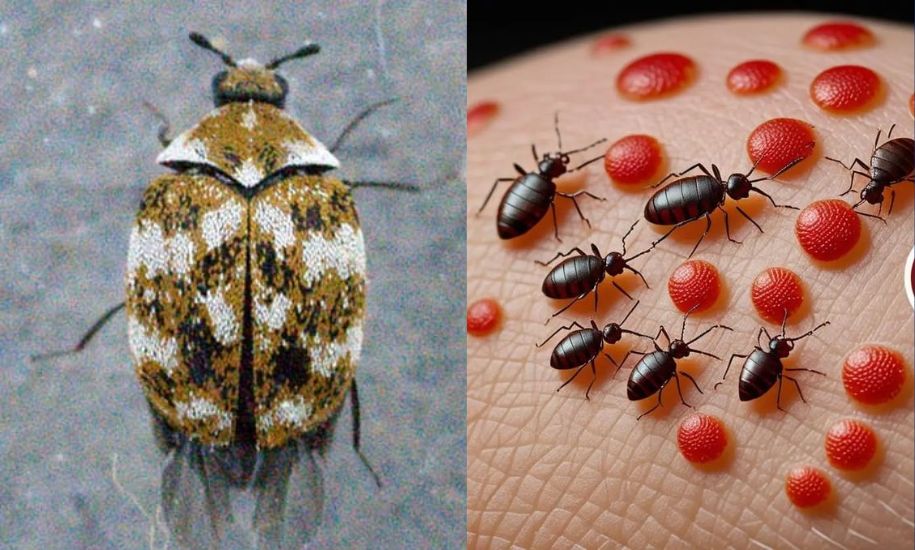
Carpet beetles (Dermestidae) are small but destructive pests that can cause serious damage to household fabrics, rugs, furs, and valuable collections. Unlike termites that consume wood, carpet beetle larvae feed on animal-based fibers such as wool, silk, feathers, leather, and fur.
These pests are significant not only for homeowners but also for museums, collectors, furriers, and anyone who stores natural fibers or antique items. Their presence often goes unnoticed until severe damage occurs, making prevention, early detection, and proper control measures essential.
Facts About Carpet Beetles
Adult Beetles
- Size: 1.5–4 mm, oval-shaped.
- Color: Mottled patterns of black, brown, white, or yellow, depending on the species.
- Behavior: Feed on pollen and nectar; adults are often found near windows in spring and summer. They do not damage fabrics directly.
Eggs
- Cream-colored, tiny, and laid in hidden areas near food sources.
- Hatch in 1–3 weeks depending on temperature and humidity.
Larvae
- The most destructive stage, commonly called “woolly bears.”
- Brown, hairy, tapered at one end, 2–5 mm long.
- Feed on natural fibers and leave behind shed skins—an important sign of infestation.
Shed Skins
- Found in hidden corners, closets, under furniture, or inside storage boxes.
- Presence indicates an active infestation.
Common species include:
- Anthrenus verbasci – Varied carpet beetle
- Anthrenus flavipes – Furniture carpet beetle
- Attagenus unicolor – Black carpet beetle
Life Cycle
Understanding the life cycle is essential for controlling infestations.
- Egg Stage: Females lay 30–100 eggs near fabrics, furs, or rugs. Eggs hatch in 1–3 weeks.
- Larval Stage: Larvae are the primary cause of damage. They feed on wool, silk, leather, fur, feathers, and stuffed items. Duration can range from 2 months to over 3 years, depending on environmental conditions.
- Pupation: Occurs in dark, protected areas; lasts 1–3 weeks.
- Adult Stage: Adults live 2–6 weeks, primarily to reproduce. They do not feed on textiles.
- Reproduction: Females lay eggs close to food sources, continuing the infestation cycle if left unchecked.
Feeding Habits and Damage
Materials Consumed
- Wool, silk, leather, and fur
- Feathers in pillows, quilts, or taxidermy
- Rugs, blankets, and stuffed toys
- Occasionally plant-based materials (dried flowers, seed pods)
Typical Damage
- Irregular holes or threadbare areas in textiles
- Frayed edges or thinning of fibers
- Presence of frass (powdery debris) and shed larval skins
Common Infestation Locations
- Closets, wardrobes, and drawers
- Under furniture and along baseboards
- Attics, basements, and crawl spaces
- Stored rugs, blankets, furs, or museum collections
Sources of Infestation
Carpet beetles can enter homes or storage areas via:
- Accumulated lint, pet hair, and dander
- Debris under baseboards, vents, or air ducts
- Bird or rodent nests near or inside buildings
- Dead insects in attics or storage areas
- Stored fabrics, furs, rugs, and woolen blankets
- Hidden locations in seldom-used closets or crawl spaces
Preventing Infestations
Cleaning & Maintenance
- Vacuum floors, rugs, and furniture regularly.
- Remove dust, lint, and pet hair, especially under furniture.
- Launder clothes and blankets periodically, even if unused.
Storage Practices
- Use airtight containers or garment bags for wool, silk, or fur items.
- Wrap delicate textiles in acid-free tissue paper.
- Rotate and inspect stored items periodically.
Chemical & Natural Deterrents
- Mothballs: Effective but toxic; keep away from children and pets.
- Cedar chests: Repel beetles temporarily; effectiveness decreases over time.
- Cold storage: Freezing items kills eggs and larvae.
Detecting Infestations
Early detection is critical. Watch for:
- Adult beetles near windows or flowers
- Brown, hairy larvae on fabrics, rugs, or in corners
- Shed larval skins
- Threadbare areas, frass (fecal pellets), or powdery debris
Monitoring Tools:
- Glue traps (with or without pheromone attractants)
- Regular inspections of closets, drawers, storage boxes, and rarely used areas
Controlling Infestations
Mechanical & Cleaning Methods
- Vacuum thoroughly to remove larvae, eggs, frass, and shed skins
- Launder fabrics in hot water when possible
- Dry-clean delicate items such as furs and antique textiles
Thermal Methods
- Freezing: Seal items in plastic bags; freeze at −18°C (0°F) for at least 72 hours
- Heat: Expose items to 50–60°C (122–140°F) for 30 minutes (test delicate fabrics first)
Chemical Control
- Apply insecticides only to cracks, crevices, or baseboards—not directly on textiles
- Follow all label instructions and local regulations
- Use professionals for large or valuable collections
Special Considerations
- Museums, collectors, and furriers should prioritize thermal or mechanical methods to avoid chemical damage to rare or antique items
Safety and Legal Considerations
- Always follow insecticide label directions
- Ensure proper ventilation during chemical treatments
- Keep children and pets away from treated areas
- Check local regulations regarding chemical use and disposal
- Consider professional pest control for severe infestations
Additional Tips for At-Risk Groups
- Museums: Implement strict monitoring; inspect incoming artifacts
- Rug Dealers/Collectors: Quarantine new rugs; avoid attic storage
- Furriers: Regularly inspect furs; use cedar-lined storage with periodic cleaning
- Taxidermists & Craft Shops: Maintain clean storage; monitor for adults during spring and summer
Conclusion
Carpet beetles are small but destructive pests capable of damaging fabrics, furs, rugs, and collections. A comprehensive approach combining early detection, prevention, proper storage, thermal or chemical treatment, and professional advice is essential to protect valuable items.
By merging readability, detailed guidance, and practical tips, this guide serves as a complete resource for homeowners, museums, furriers, collectors, and pest control professionals.
You May Also Read About : URLWO
You May Also Read About : Ракитовица