

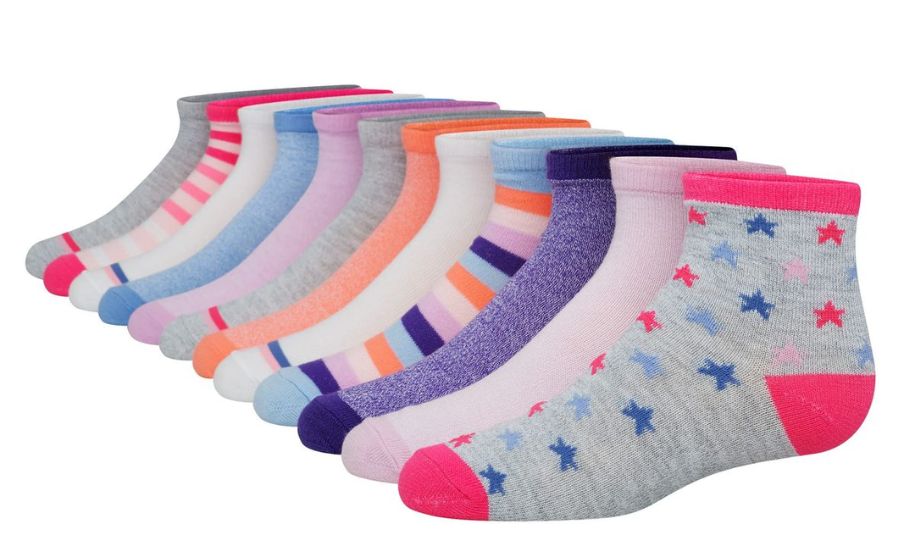
Socks might seem like tiny wardrobe details, but they play a surprisingly big role in comfort, hygiene, and personal style. And among all sock styles, ankle socks stand out as one of the most versatile, practical, and widely loved options. From athletes to office-goers, from sneaker enthusiasts to everyday walkers — ankle socks offer a unique blend of comfort and aesthetics that appeals to almost everyone.
This article takes a deep dive into the world of ankle socks: what they are, why they’re popular, how they evolved, how to choose the perfect pair, where they fit into modern fashion, and why they remain especially beneficial in hot regions like South Asia. Whether you’re a fashion writer, a casual consumer, or a socks fanatic (no judgment), this guide has everything you need.
What Exactly Are Ankle Socks?
Ankle socks are socks designed to cover the foot fully and rise just up to — or slightly above — the ankle bone. They sit lower than crew socks but higher than no-show socks. This sweet-spot height provides:
- enough coverage to avoid friction from shoes
- enough breathability to keep the foot cool
- enough visibility to still count as a style accessory
Ankle socks became mainstream in the late 90s through sports culture, especially running and gym wear. Today, they’ve crossed over into casual, semi-formal, and even fashion-forward outfits.
Why Are Ankle Socks So Popular?
If you look around, almost everyone owns at least one pair of ankle socks — and for good reason. Their popularity comes from their versatility, comfort, and compatibility with different types of footwear and outfits. But let’s break down what truly makes ankle socks a go-to choice.
1. Breathability and Comfort
Because ankle socks stop right at the ankle, they allow more air to flow around the lower leg. This reduces sweating, overheating, and bad odor — common problems with longer socks, especially in warm climates.
2. Perfect for Warm and Humid Weather
In countries with tropical or hot climates (like Pakistan, India, and parts of Southeast Asia), ankle socks are a lifesaver. Their smaller surface area means:
- shoes dry faster inside
- feet stay cooler
- less fabric sticks uncomfortably to your skin
This makes them ideal for daily wear during summer seasons or humid monsoons.
3. Great for Sports and Active Lifestyles
Athletes love ankle socks because they offer just enough cushioning and protection without the extra weight of long socks. Runners, gym-goers, cyclists, and even tennis players often choose ankle socks for their:
- lightweight feel
- friction control
- sweat-wicking capabilities
Modern ankle socks sometimes feature arch support bands, padded heels, moisture-wicking materials, and anti-slip technology — all designed for performance.
4. Stylish and Minimalist
Fashion cycles go through phases, but minimalism never goes out of style. Ankle socks offer a “clean” look, especially with low-top sneakers, loafers, slip-ons, and casual trainers. They complement outfits without drawing unnecessary attention.
Types of Ankle Socks: A Complete Overview
Not all ankle socks are created equal. Here’s a helpful breakdown of the variations you might come across:
1. Basic Cotton Ankle Socks
These are your everyday essentials. Made from cotton or cotton-blend fabrics, they are soft, breathable, and perfect for regular wear.
2. Athletic or Performance Ankle Socks
Designed with active use in mind, these socks include:
- mesh ventilation zones
- compression bands
- cushioned soles
- moisture-wicking synthetic fibers
They’re best for running, training, hiking, or any sports activity.
3. No-Slip or Heel Grip Ankle Socks
These include silicone or rubber grips at the back of the heel to prevent slipping — a must-have for smooth-lined sneakers.
4. Fashion or Patterned Ankle Socks
These socks use colors, stripes, graphics, or fun prints to make them stand out. Perfect for sneaker culture or streetwear aesthetics.
5. Ultra-Light or Liner Ankle Socks
Thin, barely-there versions designed to feel like a second skin. Best for hot weather and minimalists.
How to Choose the Right Ankle Socks (A Practical Guide)
Choosing the right pair isn’t just about color or fabric. Several factors determine comfort and durability. Here’s what to look for:
1. Material
Your sock material matters a LOT.
Best materials include:
- Cotton or combed cotton (for comfort)
- Polyester blends (for moisture control)
- Spandex/Lycra (for stretch & shape retention)
- Bamboo fibers (for odor control & softness)
Avoid socks that are too thick for summer or too thin for sports.
2. Fit and Elasticity
A good ankle sock should:
- stay in place without sliding
- have a soft but firm cuff
- not dig into the skin
- hug the arch but not feel tight
Slipping socks are one of the biggest annoyances for wearers — a strong elastic cuff solves this.
3. Cushioning
For sports: choose medium to heavy cushioning.
For everyday: light cushioning works perfectly.
For dress shoes: low cushion or thin socks prevent tightness.
4. Purpose & Shoe Pairings
Different shoes match differently with ankle socks:
- Sneakers: ideal match
- Running shoes: athletic ankle socks
- Loafers: minimal ankle socks or no-show
- Boots: avoid ankle length; choose crew or longer
- Casual trainers: any style fits
5. Climate
In warm climates: choose breathable cotton or bamboo ankle socks.
In cooler regions: cushioned or wool-blend ankle socks add warmth.
Are Ankle Socks Still Fashionable in 2025?
Fashion trends sometimes tilt toward crew socks or no-show socks, but ankle socks haven’t lost their place. In fact, they’ve evolved into different fashion roles:
1. Streetwear
While crew socks dominate the oversized sneaker trend, ankle socks remain popular among minimalist sneaker lovers.
2. Athleisure
The rise of gym culture, running clubs, and fitness influencers has kept ankle socks in the spotlight. Sports brands continue releasing performance-focused versions.
3. Casual Office Wear
With workplaces becoming more relaxed in dress codes, ankle socks paired with clean sneakers or loafers feel modern and polished.
4. Generational Preferences
While Gen Z leans heavily toward visible crew socks, Millennials and adults prefer the ease and minimalism of ankle socks.
In the end, ankle socks are function-first, and that’s why they remain evergreen.
Benefits of Wearing Ankle Socks
Here’s what makes ankle socks such a strong wardrobe essential:
1. Ventilation & Cooling
Especially important in warm countries.
2. Reduced Bulk
Easier to move, exercise, and walk without extra fabric bunching up.
3. Stylish Simplicity
Pairs well with most outfits, especially casual wear.
4. Ideal for Sneakers
Most sneaker brands design their silhouettes with ankle socks in mind.
5. Great for Daily Use
Not too short, not too long — just right for walking, commuting, and everyday activities.
Ankle Socks in Hot Climates (South Asia, Middle East, etc.)
For countries where summers can reach 35–45°C, ankle socks are the most practical option.
Why they’re ideal:
- Allow airflow around the ankle
- Stay dry faster than longer socks
- Prevent shoe rubbing
- Feel lighter and less restrictive
- Are perfect for sports, running, travel, and daily wear
In urban environments where people walk a lot and wear sneakers more frequently, ankle socks provide the perfect mix of hygiene, comfort, and ventilation.
Common Mistakes People Make When Buying Ankle Socks
To avoid disappointment, here’s what NOT to do:
1. Buying thin, low-quality fabric
They tear fast, slip inside the shoe, and lose shape within weeks.
2. Ignoring heel grips
If you wear smooth sneakers, look for silicone-backed socks.
3. Choosing the wrong shoe pairing
For example, wearing ankle socks with boots causes friction and discomfort.
4. Choosing fashion over comfort
Cute patterned socks are fun — but if they’re low-quality, they’ll cause blisters.
How to Care for Your Ankle Socks (Make Them Last Longer!)
Good socks shouldn’t shrink or lose elasticity in a month. Follow these tips:
- Wash in cold water
- Avoid bleach
- Air-dry instead of using a hot dryer
- Wash dark and light colors separately
- Avoid harsh detergents
- Don’t wring or twist aggressively
Taking care of your socks extends their lifespan and maintains comfort.
Should You Replace Your Socks Regularly?
Absolutely. Even high-quality socks lose cushioning and elasticity over time. Replace ankle socks every:
- 6–12 months for daily wear
- 3–6 months for sports use
- 12–18 months for occasional wear
Worn-out socks can cause foot odor, discomfort, and blisters.
You May ALso Read About White Gaming Desk
Final Thoughts — Why Ankle Socks Remain a Must-Have
Ankle socks have earned their place in the modern wardrobe simply because they work for almost everyone. They provide comfort, breathability, and a clean aesthetic while being suitable for sports, casual outings, travel, and even semi-formal settings. Their ability to blend functionality with versatility keeps them one of the most dependable and widely used sock types in the world.
Ankle socks have earned their place in the modern wardrobe simply because they work for almost everyone. They provide comfort, breathability, and a clean aesthetic while being suitable for sports, casual outings, travel, and even semi-formal settings. Their ability to blend functionality with versatility keeps them one of the most dependable and widely used sock types in the world.
As fashion, fitness culture, and lifestyle habits evolve, ankle socks continue adapting with new materials, smarter designs, and better comfort features. Whether you’re a runner, a sneaker lover, or just someone who wants comfortable daily footwear — ankle socks remain a reliable go-to choice.
If you’re exploring more fashion insights, style breakdowns, or lifestyle guides, remember to check out Buz Vista, where thoughtful, practical, and engaging content is always waiting for you.
1. What are ankle socks?
Ankle socks are socks that cover the entire foot and rise just up to—or slightly above—the ankle bone. They provide breathability and comfort without the extra fabric of longer sock styles.
2. What is the purpose of ankle socks?
Their main purpose is to offer protection from shoe friction, keep the feet comfortable, and allow better airflow around the ankles. They’re ideal for warm climates and everyday use.
3. Are ankle socks good for sports?
Yes. Athletic ankle socks are designed with moisture-wicking fabric, arch support, and padded soles, making them great for running, gym workouts, cycling, and general sports activities.
4. What shoes are best paired with ankle socks?
They work best with sneakers, sports shoes, low-top trainers, slip-ons, and casual loafers. For boots or dress shoes, longer socks (like crew socks) are usually more suitable.
5. Do ankle socks slip down easily?
Low-quality or poorly designed ankle socks may slip. Look for socks with a firm elastic cuff, heel grip (silicone lining), and a snug fit to prevent sliding.
6. Are ankle socks better than crew socks?
It depends on usage. Ankle socks are better for warm weather, sports, and casual wear, while crew socks offer more coverage, warmth, and are often preferred in colder seasons.
7. What material is best for ankle socks?
Cotton blends, bamboo fibers, polyester mixes, and spandex provide the best combination of breathability, comfort, and durability. Choose moisture-wicking materials for sports.
8. Can you wear ankle socks with formal wear?
You can, but it’s not generally recommended. Crew socks or mid-length dress socks look more polished with formal shoes or tailored outfits.
9. How often should you replace ankle socks?
For daily wear, replace them every 6–12 months. For athletic use, replace them every 3–6 months, depending on fabric wear, elasticity, and hygiene.
10. Are ankle socks in fashion in 2025?
Yes. While trends shift, ankle socks remain popular due to their practicality and minimalistic style — especially for sneaker outfits and active lifestyles.
11. Do ankle socks cause blisters?
Only if they’re too thin, low-quality, or slip inside the shoe. A good pair with cushioning and heel grip prevents blisters by reducing friction.
12. Are ankle socks good for hot climates?
Absolutely. Their short length keeps the foot cool, reduces sweating, and allows better air circulation — making them ideal for warm or humid regions.