

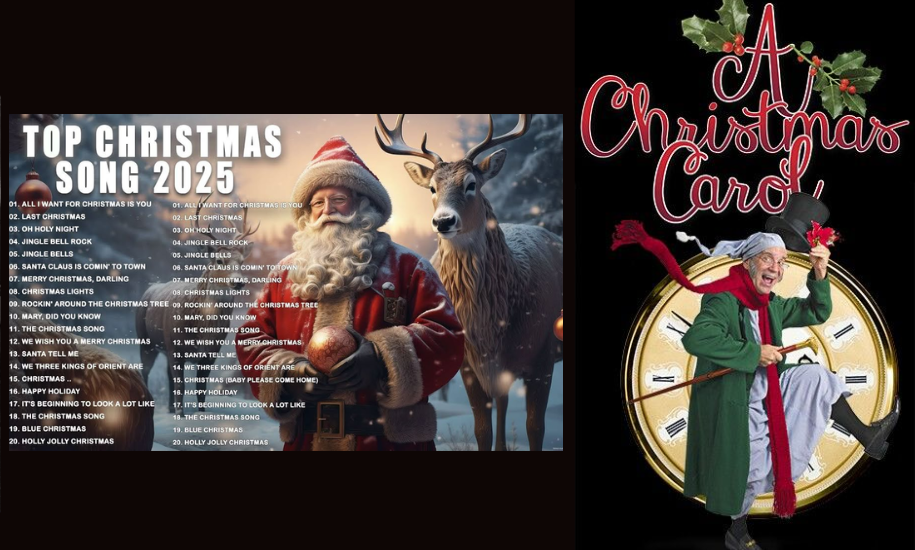
Christmas has always carried its own special atmosphere—twinkling lights, warm gatherings, and melodies that seem to make the world pause for a moment. Among the most cherished traditions of the season are Christmas carols, the musical expressions that breathe life into winter nights, church halls, festive markets, and family celebrations. For centuries, these carols have served as instruments of joy, storytelling, spiritual reflection, and community bonding. Their evolution from medieval chants to modern-day standards is a fascinating journey that reveals how deeply interwoven music is with cultural and spiritual identity.
This article takes you through the expansive history and significance of Christmas carols—from their ancient origins and transformations across centuries to their place in contemporary holiday culture.
What Exactly Is a Christmas Carol?
A Christmas carol is traditionally defined as a festive song or hymn connected to the theme of Christmas and typically sung during the holiday season. While modern listeners often associate carols with church choirs or neighborhood caroling, the original form of the “carol” was quite different.
Historically, a carol wasn’t tied to Christmas at all. Instead, it referred to a song accompanied by dance, often performed in a circle formation. These songs were celebratory, rhythmic, and communal. Only gradually did carols become linked with Christian liturgy and, later, the nativity story.
Today, the term refers broadly to both sacred Christmas hymns and traditional folk songs celebrating the season. Despite stylistic differences, each shares a common purpose: lifting the spirit and marking a time of joy, reflection, and togetherness.
Early Origins: From Dance Songs to Sacred Music
The roots of Christmas carols can be traced as far back as ancient Europe, long before the arrival of Christianity. Early winter celebrations—connected to the solstice—featured songs meant to usher in hope, harvest, and renewal. These pre-Christian songs often revolved around nature, light, and seasonal change.
As Christianity spread, new religious festivals gradually replaced older pagan traditions. By the 4th century, the Church began incorporating music into Christmas celebrations. One of the earliest recorded Christmas hymns is believed to have been proclaimed in AD 129, when the Roman bishop declared that a specific “Angel’s Hymn” be sung during the Christmas service.
However, these early hymns were solemn, liturgical, and in Latin—far from the lively and vernacular carols familiar today.
The real transformation began around the 9th and 10th centuries, when monastic communities developed poetic sequences that expanded liturgical melodies. These sequences gradually evolved into rhythmic compositions more accessible than earlier chants.
The Medieval Breakthrough: Carols Become Community Songs
The true popularization of carols began in the medieval era, particularly during the 12th and 13th centuries. A major catalyst was St. Francis of Assisi, who introduced nativity plays in 1223. The plays featured vernacular songs (songs in common languages rather than Latin) to help ordinary people grasp the biblical story.
These songs spread rapidly across Europe because they were:
- easy to remember,
- emotionally expressive,
- joyful rather than solemn,
- designed for participation.
By the 15th century, carols became distinct compositions with a recognizable structure: verses telling a story and a repeating chorus or “burden” inviting communal participation. They were performed in public squares, inns, and homes—not just in churches.
Many such medieval carols still survive today, though in modified forms. They reveal how the nativity themes—hope, divine birth, humility—were translated into accessible music for the common people.
The English Tradition: Growth, Suppression & Revival
England has one of the richest histories of Christmas carols, though it wasn’t always smooth.
Carols Flourish in the Middle Ages
During the medieval and Tudor periods, English communities embraced caroling as part of festive gatherings. Groups of “wassailers” would go house to house, singing in exchange for drink or small gifts. Carols were celebratory, often blending sacred themes with folk elements.
Puritan Suppression (1640s–1660s)
The mid-17th century brought a dramatic shift. The Puritan government viewed Christmas festivities—including caroling—as frivolous and unchristian. Public celebration of Christmas was banned, and carol singing was discouraged.
Despite the ban, many communities kept the tradition alive privately, and carols continued to circulate through oral tradition. This underground preservation proved crucial for their survival.
The Victorian Revival
The 19th century saw a massive and influential revival. The Victorians, with their love of tradition and romanticism, embraced Christmas with enthusiasm.
Key moments included:
- publication of carol collections such as Christmas Carols Ancient and Modern (1833),
- Charles Dickens popularizing festive sentiment in works like A Christmas Carol,
- church choirs and town bands adopting standardized carol arrangements.
Many of the carols still beloved today gained widespread appeal during this era.
Famous Christmas Carols and Their Stories
Behind every carol is a story—often one involving creativity, faith, hardship, or chance. Here are some of the most notable:
1. Silent Night
Perhaps the most famous carol globally, Silent Night originated in Austria in 1818. Joseph Mohr, a young priest, wrote the lyrics, while Franz Xaver Gruber composed the melody. Legend suggests the church organ had broken just before Christmas Eve, leading them to perform it with guitar instead. The simple, peaceful tune later spread worldwide.
2. O Come, O Come Emmanuel
This haunting melody has roots in medieval monastic chants known as the “O Antiphons.” Written originally in Latin (“Veni, Veni Emmanuel”), its English translation by John Mason Neale in the 19th century helped popularize it among global audiences.
3. God Rest Ye Merry, Gentlemen
A traditional English carol dating back to at least the 16th century, though the earliest printed version appeared later. Its cheerful melody and message of comfort made it highly popular among both villagers and Victorian societies.
4. Hark! The Herald Angels Sing
Written by Charles Wesley in 1739 and later adapted with a new melody by Felix Mendelssohn, this carol blends theological depth with triumphant musical composition.
5. The First Noel
A traditional English folk carol likely from the 18th century, though some historians suggest even earlier origins. Its warm narrative of the nativity has made it a staple in church choirs worldwide.
These songs, among many others, show how carols capture both local traditions and universal themes in ways that transcend time.
Caroling Traditions Around the World
Though Christmas carols are most popular in Europe and North America, nearly every Christian-influenced culture has its own distinct traditions:
United Kingdom
“Carols by Candlelight” services are common, featuring choirs accompanied by candles or lanterns. Carolers still visit homes or gather on village greens.
Germany & Austria
Home of many beloved carols, including Silent Night. Christkindlmarkt (Christmas markets) often showcase choirs and instrumental ensembles performing folk and sacred songs.
Philippines
Caroling is deeply embedded in Filipino Christmas culture, with groups singing door-to-door in exchange for treats or donations. Their “Simbang Gabi” (night mass) also incorporates traditional carols.
United States
A blend of religious hymns, traditional English carols, and modern Christmas songs. Community events, school concerts, and church programs keep the tradition thriving.
Latin America
Villancicos, the Spanish equivalent of carols, merge Christian themes with regional sounds. They often include instruments like guitars, maracas, and pan flutes.
Each tradition carries unique cultural flavor yet shares the same spirit of celebration and reflection.
Why Christmas Carols Endure: The Emotional and Social Power of Song
Carols have lasted for centuries because they resonate on many levels:
1. They Build Community
Whether sung in groups, choirs, or door-to-door, carols unite people. The shared act of singing breaks down barriers and fosters a sense of belonging.
2. They Preserve Cultural Heritage
Carols are passed down through generations, serving as living artifacts of history, faith, and storytelling.
3. They Encourage Reflection
Carols like O Holy Night or What Child Is This evoke deep contemplation about the spiritual meaning of Christmas.
4. They Inspire Joy and Nostalgia
Music triggers memory. Hearing a familiar carol can instantly transport listeners back to childhood celebrations, winter evenings, or beloved family moments.
5. They Evolve with the Times
Despite their ancient origins, carols continue to adapt. Modern arrangements, orchestral versions, pop renditions, and multicultural influences ensure they stay relevant.
Christmas Carols in the Modern Age
Today, carols exist at the intersection of tradition and innovation. Technology and global interconnectedness have broadened their reach more than ever.
Digital and Streaming Influence
Streaming platforms bring classic and contemporary carols to millions worldwide. Playlists, online choir performances, and even virtual caroling became popular during the pandemic era.
Choir Revivals
Community choirs and school ensembles perform carols as part of annual concerts, helping younger generations continue the tradition.
Commercial vs. Sacred Balance
While traditional carols remain central in religious settings, secular holiday songs often overshadow them in popular culture. Still, sacred carols hold strong in churches, cultural festivals, and classical performances.
The Cultural Legacy of Carols
Carols reflect more than holiday cheer—they illustrate humanity’s enduring desire to tell stories, celebrate hope, and connect through music. Their rich history reveals a tapestry of cultural traditions, religious devotion, artistic creativity, and communal joy.
Each generation inherits the melodies of the last, ensuring that as long as December arrives with cold nights and warm lights, Christmas carols will continue to be sung.
YOU MAY ALSO READ Christmas Carols Lyrics
Final Thoughts
Christmas carols are more than festive music—they are expressions of faith, culture, memory, and unity. Their evolution from medieval dance songs to worldwide holiday staples mirrors the way humans continually adapt tradition to keep it alive.
Whether heard in a quiet candlelit church, a bustling marketplace, or sung door-to-door on a snowy night, carols carry the timeless message of hope, peace, and goodwill.
As you enjoy this season’s melodies, may they bring you both joy and a deeper appreciation for the centuries-old stories they carry.
This article is published for readers of Buz Vista, where we explore culture, tradition, and the stories that inspire us.