

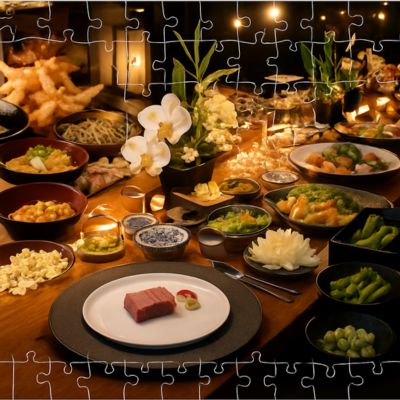
When people talk about custom in Japanese food service, they are really talking about culture showing up in everyday moments. Food service in Japan is not only about eating well. It is also about respect, awareness, and social balance. These ideas come from long-standing cultural values that influence how people interact in public spaces, especially restaurants.
One of the most important concepts behind Japanese food service is the idea of thoughtful hospitality. Staff members are trained to observe quietly, anticipate needs, and avoid drawing attention to themselves. The goal is to make guests comfortable without making them feel managed or rushed. This is different from service styles in some other countries where friendliness is expressed through constant conversation or personal engagement.
Another cultural foundation is respect for roles. In a restaurant, everyone has a clear responsibility. The guest is expected to follow basic manners, and the staff is expected to perform their role with care and professionalism. This mutual understanding reduces friction and allows the dining experience to feel smooth and predictable.
Food itself is also treated with respect. Ingredients, preparation, and presentation are all considered important. Wasting food or being careless with how it is handled can be seen as disrespectful. This attitude shapes portion sizes, plating, and even how customers are expected to behave at the table.
At Buz Vista, we often explore how cultural values influence everyday systems, and Japanese food service is a strong example of how deeply culture and daily business practices can be connected.
Dining Etiquette and Guest Behavior in Japanese Restaurants
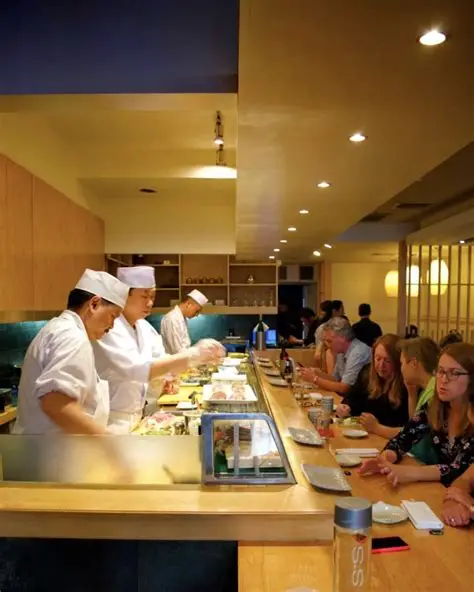
Custom in Japanese food service is not limited to what staff do. Guests also play an active role in maintaining the flow and atmosphere of the restaurant. Many of these behaviors are subtle, but they matter.
Before eating, it is customary to express appreciation for the meal. This simple phrase acknowledges not only the food but also the effort of everyone involved in bringing it to the table. After the meal, another short expression is used to show gratitude. These rituals may feel small, but they set a respectful tone.
Seating behavior is another area where customs appear. In some settings, guests wait to be seated rather than choosing a table themselves. In more traditional spaces, seating order can reflect social relationships, with certain seats considered more appropriate for guests of honor.
Chopstick use comes with its own set of expectations. Some actions are avoided because they are associated with ceremonial or non-dining contexts. For example, placing chopsticks upright in a bowl of rice is generally discouraged. Passing food directly from one set of chopsticks to another is also avoided. These rules are not about strict enforcement but about shared cultural understanding.
Other common guest expectations include:
- Keeping voices at a moderate level
- Avoiding phone calls at the table
- Returning trays or dishes in self-service settings
- Handling shared plates thoughtfully
Unlike in some countries, tipping is not a standard practice. Service quality is considered part of the restaurant’s responsibility, not something to be rewarded separately. Attempting to tip can sometimes cause confusion rather than appreciation.
These behaviors work together to create a calm, respectful dining environment. Guests are not expected to be perfect, but showing awareness of these customs is seen as a sign of consideration.
Service Style, Staff Conduct, and Professional Standards
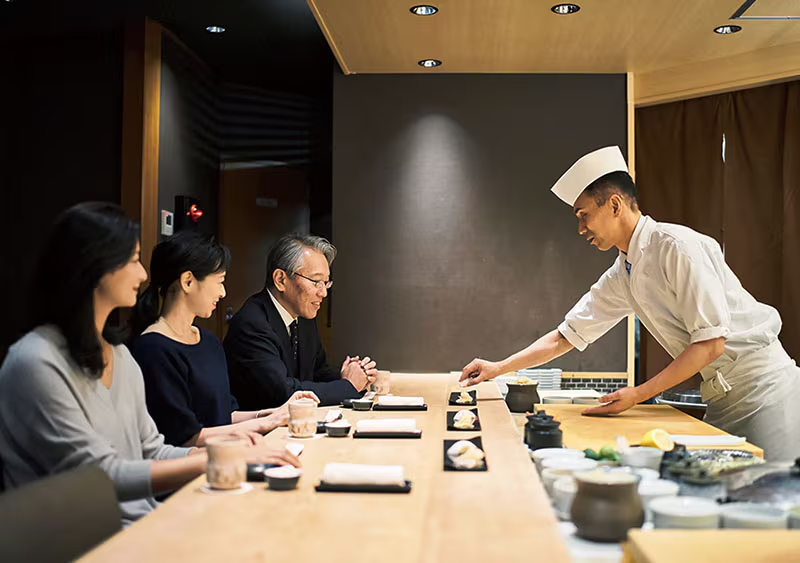
The service side of custom in Japanese food service is often what visitors notice first. Staff behavior tends to be polite, efficient, and restrained. Smiles are common, but they are not exaggerated. Conversations are focused on the service itself rather than personal topics.
One key feature is consistency. Whether you are in a small neighborhood restaurant or a larger dining hall, the service often follows a predictable rhythm. Guests are greeted, seated, served, and checked on in a structured but unobtrusive way. This predictability helps guests relax because they know what to expect.
Attention to detail is another defining characteristic. Small actions, such as placing dishes at the correct angle or timing the delivery of courses, are taken seriously. These details are not meant to impress in a dramatic way but to show care.
Staff training often emphasizes humility. Employees are encouraged to take responsibility for mistakes quickly and calmly. Apologies are offered without argument, even when the issue is minor. This approach helps preserve harmony and trust.
Common service practices include:
- Offering water or tea shortly after seating
- Providing a warm or cool towel for hand cleaning
- Clearing empty plates promptly but discreetly
- Using respectful language at all times
Payment is another area where customs differ. In many restaurants, guests pay at a counter near the exit rather than at the table. This reduces interruptions during the meal and allows staff to manage the dining space more efficiently.
From a business perspective, these standards create a strong reputation for reliability. Customers return not only for the food but also for the sense of order and care. This consistency is one reason Japanese food service is often admired globally.
The Role of Food Presentation, Timing, and Atmosphere
In Japanese food service, presentation is not decoration for its own sake. It is part of the communication between the kitchen and the guest. The appearance of a dish reflects the season, the ingredients, and the intent of the cook.
Portion sizes are often smaller than in some other cultures, but meals may include multiple dishes. This encourages slower eating and appreciation of variety. Each item is meant to be enjoyed on its own terms.
Timing also plays an important role. Dishes are served when they are at their best, not all at once. This pacing allows guests to focus on each course without feeling rushed. In casual settings, timing is simpler but still thoughtful.
Atmosphere is carefully managed. Lighting, sound, and layout are designed to support conversation without overwhelming it. Even in busy restaurants, noise levels are usually controlled. Staff movements are efficient to avoid disrupting guests.
Seasonality is another subtle custom. Menus often change to reflect the time of year. This approach reinforces the idea that food is connected to nature and cycles, not just availability.
From the guest’s point of view, these elements combine to create a sense of balance. Nothing feels excessive. The experience is designed to be satisfying rather than overwhelming.
These practices also reflect broader social values. Just as financial systems rely on structure and trust to function smoothly, food service relies on shared expectations. Everyone knows their role, and that shared understanding keeps the system running efficiently.
Modern Influences and Evolving Practices in Japanese Food Service
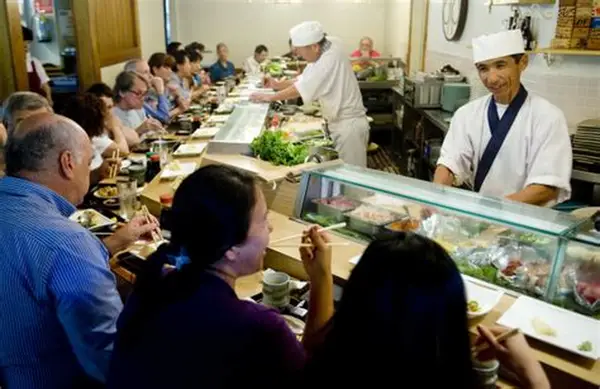
While traditions remain strong, custom in Japanese food service is not frozen in time. Modern lifestyles, international visitors, and changing work patterns have influenced how restaurants operate.
Casual dining formats have become more common, especially in urban areas. Self-service ordering systems, digital menus, and quicker meal options reflect the pace of modern life. Even so, the underlying values of respect and efficiency remain.
International influences have also shaped menus and service styles. Some restaurants blend Japanese customs with elements borrowed from other cultures. For example, more verbal interaction or flexible seating arrangements may appear in places that cater to a diverse audience.
At the same time, many restaurants make an effort to explain customs gently rather than enforce them strictly. Simple signage or visual cues help guests understand what to do without embarrassment. This approach maintains tradition while being welcoming.
Workplace dynamics within the food service industry have also evolved. There is more discussion around work-life balance and sustainability. While high standards remain, some businesses are adjusting schedules and practices to support staff well-being.
Technology has introduced new service tools, but it has not replaced the human element. Automated systems handle routine tasks, allowing staff to focus on quality and guest experience. This balance reflects a broader trend in many industries.
At Buz Vista, we often note how systems adapt while keeping their core values intact. Japanese food service shows how tradition and change can coexist without losing identity.
Conclusion: Why Custom in Japanese Food Service Still Matters
Custom in Japanese food service is about more than manners or routines. It reflects a way of thinking about relationships, responsibility, and care. From how guests behave to how staff perform their roles, every detail supports a shared experience built on respect.
These customs help create dining environments that feel calm, reliable, and meaningful. They also show how cultural values can shape business practices in practical, everyday ways.
As Japanese food service continues to evolve, its core principles remain relevant. Whether in traditional settings or modern formats, the emphasis on thoughtfulness and balance continues to guide the experience.
Understanding these customs does not require perfection. It simply requires awareness and appreciation. That mindset, more than any single rule, is what keeps the system working smoothly.
Frequently Asked Questions
What does “custom in Japanese food service” mean?
It refers to the cultural rules, habits, and expectations that shape how food is served and consumed in Japan. These customs influence staff behavior, guest etiquette, meal pacing, and overall dining atmosphere.
Why is Japanese food service considered so respectful?
Respect is a core cultural value in Japan. In food service, this shows through polite language, careful presentation, quiet efficiency, and attention to guest comfort without being intrusive.
Is tipping part of Japanese food service custom?
No, tipping is generally not expected. Good service is viewed as a professional standard rather than something that requires extra payment. Leaving tips may cause confusion.
What are guests expected to do in Japanese restaurants?
Guests are expected to be mindful and polite. This includes speaking softly, following basic chopstick etiquette, waiting to be seated when appropriate, and expressing gratitude before and after meals.
Why do staff provide towels or tea at the table?
These gestures are part of hospitality customs. Towels are offered for hand cleaning, and tea or water helps guests feel settled before ordering.
Are Japanese dining customs the same in all restaurants?
No. Customs can vary depending on the type of restaurant. Formal dining spaces tend to follow stricter etiquette, while casual eateries are more flexible but still rooted in respect and efficiency.
How important is food presentation in Japanese service?
Presentation is very important. The appearance of a dish reflects care, seasonality, and balance. It is considered part of the dining experience, not just decoration.
Do Japanese food service customs apply to international visitors?
Visitors are not expected to know every rule. However, showing basic awareness and respect is appreciated. Many restaurants are understanding and accommodating toward guests from different cultures.
Has modern technology changed Japanese food service customs?
Technology has changed how orders are placed and payments are handled, but the core values of attentiveness, order, and respect remain largely the same.
Why do these customs still matter today?
They help create smooth, calm dining environments and reinforce trust between guests and staff. These customs also reflect broader cultural values that continue to influence modern Japanese society.