

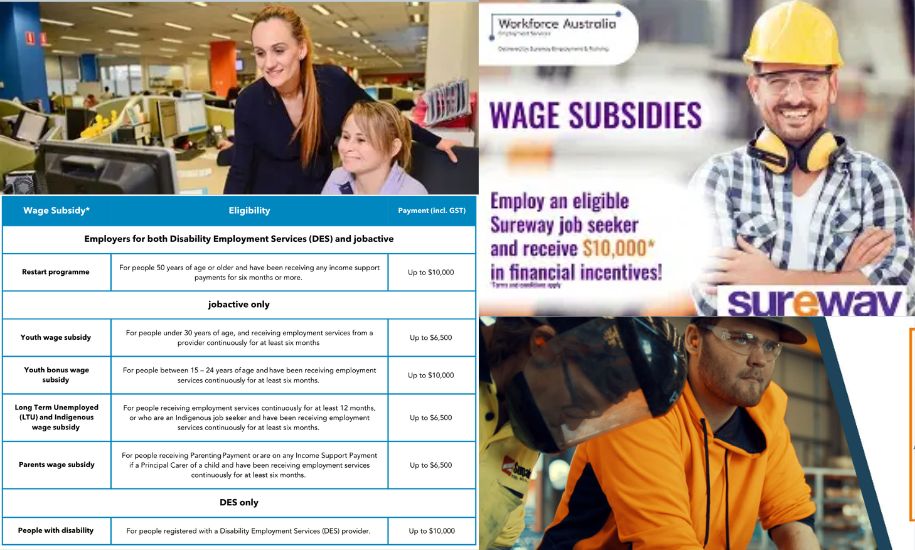
Introduction to Gosford Employment Service Wage Subsidy Providers
Gosford, a vibrant regional centre on the New South Wales Central Coast of Australia, plays a strategic role in connecting local industries with workforce opportunities, and within this context, employment service wage subsidy providers are critical partners for both job seekers and employers. These organisations, authorised through federal and state employment programs, assist businesses in accessing wage subsidy schemes while equipping job seekers with tailored support to secure meaningful employment. Wage subsidies are financial incentives designed to offset a portion of wages for eligible hires, encouraging businesses to create sustainable positions for individuals who may face barriers to employment. Within the Gosford region, providers operate under frameworks such as Workforce Australia, Inclusive Employment Australia, and other government‑linked initiatives that adhere to rigorous standards of service delivery and compliance. Employers looking to tap into wage subsidy schemes find that these providers offer not just administrative guidance but strategic recruitment support that aligns workforce needs with government programs. Likewise, job seekers benefit from structured pathways to employment that include skills assessment, job matching, ongoing workplace support, and follow‑up services. Understanding how these providers function and the value they bring to the local labour market sets the stage for a deeper exploration of their roles, methodologies, and impact on the Gosford community. In this article, we will examine the mechanisms by which wage subsidy providers operate, the benefits they deliver, and the broader socio‑economic implications of wage subsidy programs in the Gosford context.
Understanding Wage Subsidies within the Australian Employment System
Wage subsidies represent a key policy instrument within Australia’s employment services ecosystem, aimed at stimulating job creation and supporting workforce participation across diverse demographic groups, and in Gosford this instrument functions as part of a broader strategy that intersects with national economic goals and local labour market dynamics. At their core, wage subsidies are designed to reduce the initial financial burden on employers who are willing to take on candidates that might otherwise encounter difficulty securing employment due to long‑term unemployment, disability, age‑related barriers, or other structural challenges. These subsidies are typically administered through government‑funded employment service providers, which serve as intermediaries that help employers navigate eligibility criteria, negotiate subsidy terms, and ensure compliance with program requirements. While the specifics of available subsidies vary over time in response to policy reform and economic conditions, the fundamental purpose remains constant: to catalyse sustainable employment outcomes by aligning employer needs with government support mechanisms. In the Gosford region, service providers work within frameworks such as Workforce Australia, which replaced previous employment services models, and Inclusive Employment Australia, which focuses on equitable workforce access for people with disability. Providers integrate wage subsidies with complementary services that include job readiness training, employer engagement strategies, and post‑placement support, delivering a holistic approach to workforce development. Within this system, wage subsidies are more than financial incentives; they are tools that enhance labour market fluidity, uplift local workforce capability, and contribute to community resilience, especially in areas where structural unemployment poses significant challenges.
The Role of Employment Service Providers in Gosford
Employment service providers in Gosford serve as the operational backbone for connecting job seekers with employers, and in doing so they play a multifaceted role that bridges individual aspirations with organisational workforce needs. These providers operate at the intersection of government policy, local labour market dynamics, and community needs, making them pivotal in the delivery of wage subsidy programs and related employment support services. At a foundational level, Gosford providers engage with job seekers to conduct comprehensive assessments that identify skills, experience, barriers to employment, and career goals. This diagnostic phase is critical because it informs personalised support plans that may include training referrals, interview preparation, and job matching activities. At the same time, providers work closely with local businesses to understand industry demands, workforce shortages, and strategic hiring priorities, enabling them to propose suitable candidates and tailored wage subsidy arrangements. In the context of wage subsidies, providers guide employers through complex eligibility requirements, help prepare and submit necessary documentation, and manage communication with government agencies to facilitate subsidy approvals. This guidance is especially valuable for small and medium enterprises that may lack internal human resources capacity or experience with government programs. Beyond administrative facilitation, employment service providers contribute to creating a more inclusive and resilient local labour market by advocating for equitable hiring practices, supporting diversity in the workplace, and providing ongoing support to both employers and employees post‑placement. In Gosford’s evolving economic landscape, these providers act not just as intermediaries, but as strategic partners that enhance the effectiveness of wage subsidy initiatives and drive long‑term employment success.
How Wage Subsidy Programs Support Employers in Gosford
For employers operating in Gosford, wage subsidy programs represent a pragmatic mechanism to reduce financial risk associated with hiring, particularly when recruiting individuals who may require additional support or training to thrive in the workplace. By offering a partial reimbursement of wages for a specified period, wage subsidies lower the entry cost of employment, thereby incentivising businesses to expand their workforce and contribute to broader economic vitality. Employment service providers play an essential role in this process by interpreting policy guidelines, aligning employer needs with appropriate subsidy streams, and ensuring that employers understand their obligations and opportunities. The support provided extends beyond simple administration; providers offer strategic advice on workforce planning, candidate selection, and workplace integration, which helps employers make informed hiring decisions that align with both operational goals and community impact objectives. In Gosford’s labour market, where certain sectors such as retail, healthcare, hospitality, and construction experience ongoing skill shortages, wage subsidies can be particularly impactful in enabling employers to access untapped pools of talent, including mature‑aged workers, people with disability, and long‑term unemployed job seekers. This inclusive approach not only strengthens individual businesses but also reinforces regional economic resilience by cultivating diverse talent pipelines and reducing reliance on transient labour. Moreover, successful utilisation of wage subsidies often leads to sustained employment beyond the subsidy period, enhancing job stability for employees and reducing turnover costs for employers. Through collaborative engagement with employment service providers, Gosford employers are better positioned to leverage these programs effectively, fostering a more dynamic and socially equitable workforce.
Benefits of Wage Subsidies for Job Seekers in Gosford
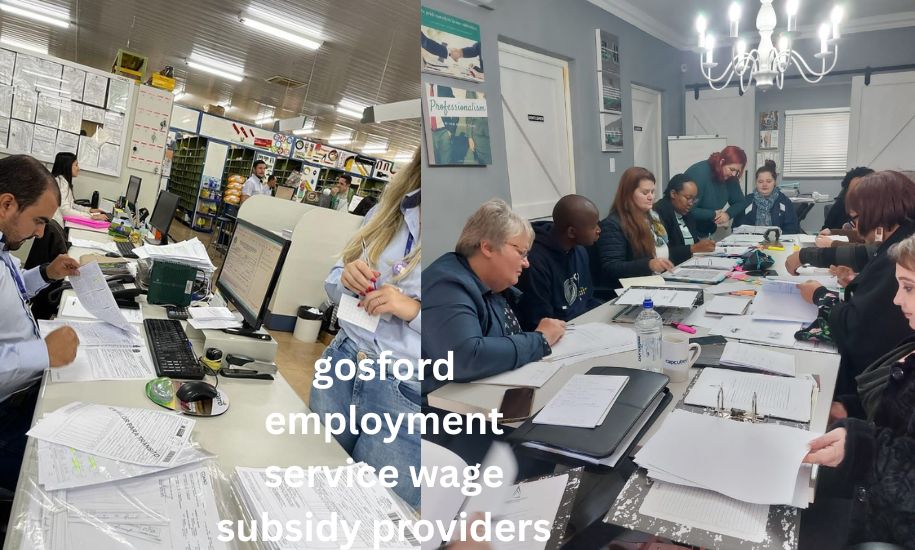
Wage subsidy programs extend tangible benefits to job seekers in Gosford by enhancing employment prospects, bridging skills gaps, and facilitating workplace entry for individuals who face systemic barriers in the labour market. Unlike traditional job placement services that focus solely on matching candidates to vacancies, wage subsidies create a structured incentive for employers to consider applicants who might otherwise be overlooked due to factors such as extended periods of unemployment, disability, age, or limited experience. For job seekers, this translates into increased access to opportunities that provide real on‑the‑job experience, income security, and pathways toward long‑term career progression. Employment service providers in Gosford take a personalised approach, working with individuals to assess strengths, identify areas for development, and connect them with employers open to leveraging wage subsidy arrangements. This support often includes pre‑employment training, interview coaching, resume development, and ongoing support during the early stages of employment, fostering confidence and skill acquisition. Importantly, wage subsidies do not only offer economic benefits; they help build social inclusion by strengthening community ties and reducing the psychological impact of prolonged joblessness. Participants in wage subsidy programs gain valuable workplace exposure, which enhances their employability and can lead to sustained roles that extend beyond the subsidy timeframe. This long‑term perspective underscores why wage subsidies are viewed not just as financial instruments but as catalysts for individual empowerment and workforce participation. In the Gosford context, where socio‑economic diversity and regional labour dynamics intersect, wage subsidies provide a critical bridge between aspiration and achievement for job seekers navigating complex employment landscapes.
Key Providers of Wage Subsidy Services in the Gosford Region
Within the Gosford region, several employment service providers act as conduits for wage subsidy programs, partnering with government agencies to support both employers and job seekers in navigating the recruitment and subsidy process. These providers operate under nationally recognised frameworks such as Workforce Australia and Inclusive Employment Australia, delivering comprehensive services that encompass candidate assessment, employer engagement, subsidy facilitation, and post‑placement support. Each provider brings a unique blend of expertise and community focus, tailoring their approach to the specific needs of local industries and job seeker cohorts. In practice, these organisations invest significant resources in building relationships with employers across sectors, understanding labour demand trends, and aligning wage subsidy opportunities with real‑world workforce requirements. Their presence in Gosford contributes to a networked support system where businesses can readily access government incentives and job seekers receive structured pathways toward employment. Collaboration between providers, local chambers of commerce, industry stakeholders, and community groups further enhances the effectiveness of wage subsidy programs by ensuring that services are responsive, culturally sensitive, and strategically aligned with regional economic goals. While the names and specific operational models of providers may evolve over time due to policy shifts or contractual changes, the collective function they serve remains consistent: to facilitate meaningful employment outcomes through wage subsidy support, capacity building, and ongoing engagement across the Gosford labour market. By anchoring these services locally, Gosford benefits from a tailored approach that addresses both employer need and job seeker aspiration within a coherent, supportive framework.
Navigating Eligibility and Compliance for Wage Subsidies
Understanding eligibility and compliance requirements is a critical component for employers and job seekers engaging with wage subsidy programs in Gosford, and employment service providers play an essential role in demystifying these often complex criteria. Wage subsidies are governed by specific rules set by government departments responsible for employment policy, and these rules dictate who qualifies for support, how subsidies are calculated, and what documentation must be submitted at various stages of the process. For employers, eligibility typically hinges on factors such as business size, the nature of the employment contract offered to the new hire, and adherence to fair work and workplace standards. Job seekers must meet defined criteria too, which may include residency status, unemployment duration, or alignment with targeted cohorts such as youth, older workers, or people with disability. Providers in Gosford assist both sides by conducting thorough initial assessments, verifying necessary information, and ensuring that submissions to government agencies are complete and accurate. This reduces the risk of delays, rejections, or compliance issues that could jeopardise subsidy outcomes. Moreover, providers offer guidance on ongoing reporting obligations that employers must fulfill once a subsidy has commenced, helping businesses maintain compliance with policy conditions while focusing on productive workforce integration. By managing the intricate procedural elements and translating regulatory language into practical steps, providers enable employers and job seekers to engage with wage subsidy programs confidently and effectively. This facilitation underscores the value of professional support in maximising the benefits of wage subsidies while upholding the integrity and accountability of public employment initiatives.
Challenges and Limitations in the Delivery of Wage Subsidy Services
Despite their potential to generate positive employment outcomes, wage subsidy programs and the services that support them can encounter challenges and limitations that affect their implementation in Gosford and beyond. One common challenge lies in awareness and uptake; not all employers are familiar with wage subsidy options or understand how to access them. Small and medium enterprises, in particular, may lack the internal human resources capacity or strategic insight to pursue government‑linked incentives, even when qualified. Employment service providers work to address this gap through outreach and education, yet residual barriers remain, including perceptions of bureaucratic complexity and concerns about compliance burdens. For job seekers, limitations can emerge when subsidy eligibility criteria exclude certain groups or fail to align with the unique circumstances of individuals, making access uneven across demographic segments. Additionally, the temporary nature of many wage subsidies means that sustaining employment beyond the subsidy period requires deliberate workforce development strategies on the part of employers. Without careful integration of wage subsidy hires into long‑term workforce planning, there is a risk that individuals may transition out of employment once the financial incentive concludes. Service providers navigate these limitations by offering holistic support that extends beyond subsidy facilitation to include skills development, workplace mentoring, and post‑placement follow‑up. Nevertheless, systemic challenges such as economic cycles, regional labour market fluctuations, and policy changes can influence the effectiveness of wage subsidy programs. Acknowledging these constraints enables employers, job seekers, and policymakers to work collaboratively toward solutions that strengthen program design, enhance accessibility, and ensure that wage subsidies fulfil their intended purpose within communities like Gosford.
Measuring Impact: Economic and Social Outcomes of Wage Subsidies
Assessing the impact of wage subsidy programs requires attention to both economic and social dimensions, and in Gosford these outcomes reveal how targeted employment support can reverberate through local communities. Economically, wage subsidies contribute to job creation by incentivising employers to expand their workforce, often leading to increased productivity and business growth. By reducing upfront employment costs, subsidies encourage strategic hiring that might not otherwise occur, particularly in sectors facing skill shortages or seasonal demand pressures. These effects can help stabilise the local labour market, reduce unemployment rates, and stimulate consumer spending as more individuals gain stable income. Socially, wage subsidies play a role in fostering inclusion by creating pathways for marginalised groups to enter or re‑enter the workforce. Individuals who have been unemployed for extended periods, who live with disability, or who face age‑related barriers to employment can benefit significantly from subsidy‑supported positions, gaining confidence, skills, and social connections that extend beyond the workplace. Employment service providers further amplify these outcomes by offering wraparound support that encourages sustained engagement and addresses non‑vocational barriers to success. While quantitative measures such as job placements and retention rates provide important indicators of program success, qualitative impacts — including improvements in personal well‑being, community participation, and employer‑employee relations — reflect the deeper value of wage subsidies in strengthening social fabric. In Gosford, where regional identity and community cohesion are integral to economic vitality, the ripple effects of wage subsidy programs underscore their significance as instruments of inclusive growth and shared prosperity.
Future Directions for Wage Subsidy Services in Gosford
Looking ahead, the evolution of wage subsidy services in Gosford is likely to reflect broader trends in workforce development, technological change, and policy innovation, with employment service providers at the forefront of this transition. As labour markets continue to adapt to new economic realities, including automation, digital transformation, and shifting industry demands, wage subsidy programs may be recalibrated to support emerging employment pathways and strategic skills acquisition. For Gosford, this could mean an increased emphasis on aligning wage subsidies with targeted training initiatives, fostering partnerships between providers and industry clusters, and enhancing support for sectors critical to regional growth. Providers will also play a key role in leveraging data and insights to refine service delivery, ensuring that subsidy facilitation remains responsive to local employer needs and job seeker aspirations. Furthermore, greater integration of post‑placement support services — such as mentoring, career advancement planning, and workplace inclusion strategies — will help ensure that wage subsidies contribute to durable employment outcomes. As policy frameworks evolve, employment service providers in Gosford are positioned to act as innovators and collaborators, translating national objectives into tailored regional solutions that uplift both businesses and the workforce. Within this dynamic landscape, the continued collaboration between government, providers, and community partners will be essential in maximising the potential of wage subsidies to drive equitable and sustainable employment growth, thereby strengthening the social and economic fabric of Gosford for years to come.
In closing, the landscape of wage subsidy service delivery in Gosford underscores the indispensable role that employment service providers play in connecting employers with talented job seekers and facilitating sustainable employment outcomes. Through professional guidance, strategic engagement, and deep local knowledge, these providers help unlock the potential of wage subsidies as tools for economic stimulation and social inclusion, reaffirming their value within the region’s employment ecosystem. (This article is published on Buz Vista.)