

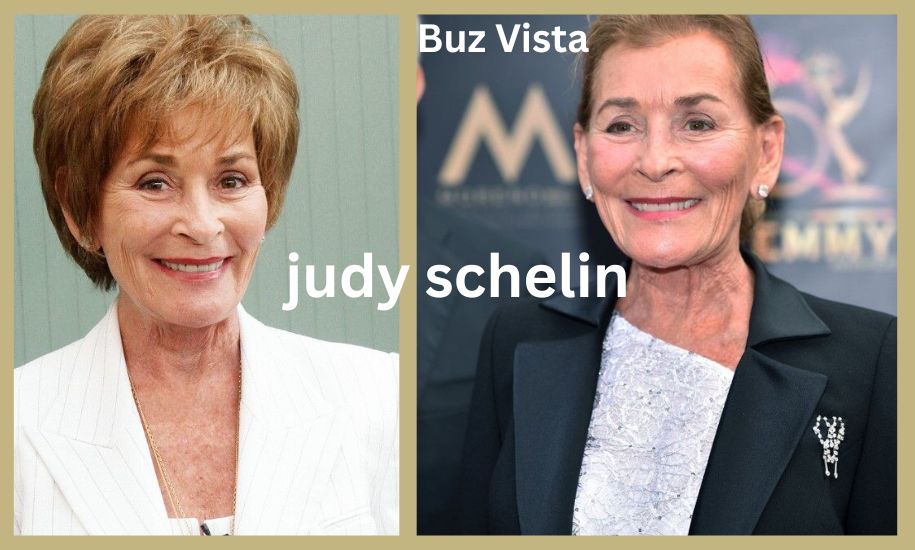
Judy Schelin is a name that has appeared in public records and media discussions primarily due to her work in childcare administration in Florida, a federal conviction in 2010, and later controversies over employment credentials and background checks. Her story is not just about personal choices but also highlights broader issues of institutional oversight, accountability, and the challenges that arise when past legal matters intersect with roles involving vulnerable populations.
Early Life and Background
Details about Judy Schelin’s early life — including her birth date, childhood, and education — remain largely private. Public records mainly document her professional activities in Florida and legal proceedings related to her work in childcare.
She operated primarily in the childcare administration sector, managing programs that served vulnerable children, particularly those in federally or state-funded initiatives.
Her name appears in official records under multiple surnames, including Schelin, Perlin, and Scherlin. These variations may reflect marriage, maiden names, or legal name changes, creating some confusion for researchers and background checks.
Career in Childcare and Youth Programs
Before her legal issues, Schelin held administrative roles in childcare and youth education programs, mainly in Broward County, Florida. These programs often involved federal and state funding to support low-income families, subsidized meal programs, and early learning initiatives.
Her responsibilities included:
- Managing budgets and financial compliance
- Ensuring program safety and quality standards
- Reporting to regulatory authorities
- Supervising staff and monitoring program effectiveness
Administrators in these positions are entrusted with significant responsibility, and ethical conduct is critical.
The 2010 Bribery Conviction
The most prominent event in Schelin’s public record is her 2010 conviction for federal bribery. Under the name Judy Perlin, she pled guilty to accepting approximately $40,000 in bribes while overseeing federally subsidized programs.
While detailed sentencing records are limited in public reports, federal bribery convictions typically involve fines, restitution, supervised release, or imprisonment, depending on plea agreements and judicial discretion.
Her conduct highlighted a misuse of public funds and raised concerns about financial oversight in programs serving vulnerable children.
Employment Controversy in 2015
Years after her conviction, Judy Schelin sparked another controversy when she was hired by Congregation B’Nai Israel in Boca Raton, Florida, to work in the infant childcare program.
The temple stated that she underwent background checks through the Florida Department of Children and Families and the Palm Beach County Sheriff’s Office, neither of which revealed her felony conviction at that time. Schelin also signed a statement under penalty of perjury claiming she had never been fined or disciplined.
After media reports highlighted her past conviction, the temple terminated her employment, emphasizing the importance of transparency and stringent background checks in positions involving children.
Multiple Names and Public Identity
Tracking Schelin’s record is complicated by her multiple names:
- Judy Schelin — used in later public records
- Judy Perlin — name used during her 2010 conviction
- Judy Scherlin — alternate spelling in some media
- Judy Schindel — associated through marriage
These variations have contributed to challenges in accurately assessing her professional and legal history.
Public and Media Response
Media coverage largely focused on the ethical and governance implications of her actions. Public debate centered on how someone with a felony conviction could secure significant administrative and childcare roles.
Supporters in some reports cited her contributions to community programs and framed her conviction as an administrative misunderstanding. Nonetheless, factual reporting emphasized the legal findings and the risks posed when background checks fail.
Later Life and Current Status
As of 2026, Schelin appears to have stepped back from high-profile childcare roles. Some sources suggest she works in administrative positions, such as payroll management, and resides in Delray Beach, Florida.
There are no major public records detailing further legal matters or professional achievements beyond her prior conviction and controversies.
Broader Implications
The case of Judy Schelin highlights broader systemic issues:
1. Background Check Limitations: Her employment controversy revealed gaps in screening processes, sparking discussions about the effectiveness of state and local checks.
2. Transparency and Disclosure: Professionals working with children are expected to disclose past convictions. Schelin’s case emphasizes the importance of honesty and regulatory compliance.
3. Rehabilitation vs. Protection: Institutions must balance offering second chances with ensuring child safety. Her case illustrates the tension between these priorities.
4. Regulatory Oversight: Policy discussions continue about standardizing vetting protocols and tightening enforcement to prevent similar situations.
Conclusion
Judy Schelin’s life and public record offer a cautionary tale about reputation, accountability, and professional responsibility. From administrative roles in childcare programs to a federal bribery conviction and later employment controversies, her story demonstrates the importance of transparency, robust background checks, and institutional safeguards.
Her experience serves as a reminder that roles involving public trust — especially when children are involved — require clear policies, ethical adherence, and diligent oversight.
This article was written exclusively for Buz Vista.
FAQs About Judy Schelin
Q1: Who is Judy Schelin?
A1: Judy Schelin is a Florida-based professional known for childcare administration and a 2010 federal bribery conviction.
Q2: What was her conviction?
A2: She pled guilty to accepting $40,000 in bribes while managing federally funded youth programs.
Q3: Did she continue working in childcare after her conviction?
A3: Yes, she was hired in 2015 by a Boca Raton temple but was later terminated after her felony record became public.
Q4: Are there other names she is known by?
A4: Yes — Judy Perlin, Judy Scherlin, and Judy Schindel.
Q5: Where does she currently live?
A5: Public records indicate she resides in Delray Beach, Florida, in less public administrative roles.
Q6: What lessons can be drawn from her story?
A6: Transparency, e
Read More :Marko Oolo: How an Estonian Investor Built Wealth, Startup