

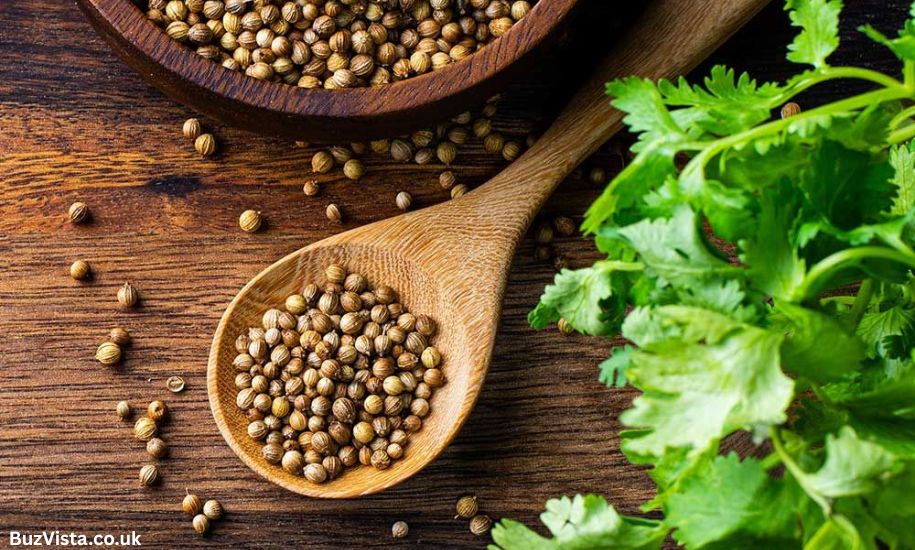
Koriandri is a name you may not hear every day, but it refers to an herb many of us are familiar with: coriander, also known as cilantro in its leafy form. Revered for its bright fragrance, versatile flavor, and culinary and cultural importance around the world, koriandri delivers on several fronts. In this article, we will explore botany, history, flavor, uses, health perspectives, cultivation, storage, and much more. Toward the end, we’ll reflect on how koriandri can uplift your cooking, wellness, and home garden.
What Is Koriandri?
“Koriandri” is simply another term (a variant spelling) for the herb Coriandrum sativum. This plant belongs to the Apiaceae family (same family as parsley, carrot, and celery). It is an annual herb, meaning its life cycle—from germination to seed production—completes within one growing season.
Botanically, Coriandrum sativum is native to parts of Southwestern Asia and the Mediterranean region, but today it is cultivated worldwide. The plant typically reaches a height of 40–60 cm (sometimes more), with delicate, feathery leaves. The leaves, stems, flowers, and seeds are all used in some form, depending on the culinary tradition.
One of the interesting things about koriandri is that its leaf and seed forms are treated almost like two separate ingredients in many cuisines. In many places, people refer to the leaves as “cilantro” and the seeds as “coriander”—though botanically they come from the same plant.
Flavor, Aroma & Sensory Profile
Leaves (Cilantro / Fresh Koriandri)
The leaves are aromatic, fresh, slightly citrusy, and—for many—bright and green. Some people detect a hint of floral or citrus notes. However, there’s a known divide in perception: for some, cilantro (fresh koriandri leaves) tastes soapy or slightly pungent. That reaction is linked to genetics—some people have olfactory genes that make the chemical compounds in cilantro smell unpleasant.
In a culinary context, fresh koriandri leaves are added toward the end of cooking or used raw to preserve their fragrance.
Seeds (Coriander Seeds / Dried Koriandri)
The seeds, in contrast, offer warm, spicy-nutty, and slightly lemony notes. When toasted or ground, they deepen in flavor. The seeds are commonly used whole or ground in spice blends, pickling mixes, stews, breads, and more.
One helpful way to think of it: leaves = fresh, green, fragrant; seeds = warm, earthy, spice.
History, Culture & Global Names
Koriandri has a long and storied history. Ancient Egyptians reportedly used the seeds in cooking and as incense. The Greeks and Romans also valued coriander, using it in cuisines and herbal remedies. Through trade, migration, and cultural exchange, the plant spread to Asia, the Middle East, and beyond.
Because it has traveled far, many languages developed their own names. Here are a few:
- Dhania (India, Pakistan)
- Kothamalli (Tamil)
- Kasbara (Arabic)
- Cilantro (Spanish / U.S. for leaves)
- Coriander (British English often means seeds)
In many cuisines—Indian, Middle Eastern, Latin American, Southeast Asian—koriandri is a foundational herb. In Indian cooking, fresh leaves are used as garnish or in chutneys, and seeds are roasted and ground into spice blends like garam masala. In Middle Eastern dishes, coriander seeds and ground coriander appear in spice mixes and meat rubs. In Mexican salsa, fresh cilantro is essential.
Because of its dual personality (leaf vs. seed), koriandri plays different roles in cooking traditions around the world.
Culinary Uses: From Leaves to Seeds
Fresh Leaves / Herb Form
- Garnish & finishing: Sprinkled over soups, stews, salads, tacos, curries.
- Chutneys & salsas: Blended into fresh green chutney (e.g. coriander-mint), pico de gallo, salsa verde.
- Herb pastes & marinades: Blended with garlic, chilies, ginger for marination or sauces.
- Rice & grains: Mixed into cooked rice, pilaf, or quinoa to add a fresh burst.
Seeds / Spices & Seasoning
- Toasting then grinding: Intensifies aroma; used in spice powders.
- Whole seed use: In pickles, stews, curries, breads.
- Spice blends: Integral to garam masala, curry powders, ras el hanout, and various regional mixes.
- Baking & desserts: In certain breads, cookies, or sweets (in some cultures).
Ingredient Pairings
Koriandri pairs well with citrus, garlic, chili, mint, yogurt, ginger, onion, cumin, turmeric, tomatoes, coconut, beans, lentils, seafood, lamb, and more. Use it wherever you want a fresh punch or warm earthiness.
Cooking Tips
- Add fresh leaves toward the end of cooking to preserve aroma.
- Don’t overheat fresh leaves—they lose fragrance under long, high heat.
- Toast seeds lightly before grinding to deepen flavor.
- Use a spice grinder or mortar & pestle for best results.
- Store seeds in airtight dark jars, away from light and moisture.
Nutritional Profile & Health Claims
Blogs commonly report that koriandri is rich in vitamins and minerals. Some of the claims include:
- Vitamins A, C, K
- Minerals: iron, magnesium, potassium
- Antioxidant properties
- Digestive support
- Immunity boost
These are popular claims, and many articles emphasize them. While some preliminary scientific studies support antioxidant or antimicrobial activity for coriander extracts, many of the more exuberant health claims are anecdotal or traditional. If you present them, it’s good to preface as “popularly believed” or “traditional uses suggest” rather than definitive medical statements.
One advantage of koriandri is its low calorie count and versatility—using fresh leaves or ground seed can enhance flavor without adding heavy fats or sodium.
Growing Koriandri (At Home / Garden)
If you love this herb, growing your own koriandri is quite rewarding. Here’s a practical guide:
Climate & Timing
- Prefers cool weather (spring, fall).
- In hot climates, grow in partial shade or use early morning sun.
- Avoid extreme heat, which causes the plant to bolt (flower and set seed prematurely), reducing leaf harvest.
Soil & Location
- Well-draining, fertile soil is preferred.
- Slightly acidic to neutral pH (6.2–7.0) is ideal.
- Choose a spot with sufficient light (at least 4–6 hours).
Sowing & Germination
- Sow seeds ~6–8 mm deep.
- Water gently and keep soil moist (not waterlogged).
- Germination typically occurs in 7–14 days.
Care & Maintenance
- Thin seedlings so plants have space.
- Water regularly, especially in dry spells.
- Mulch to conserve moisture.
- Pinch back or harvest leaves regularly to encourage new growth and delay flowering.
When & How to Harvest
- Harvest fresh leaves when plants are young (before flowering).
- To get seeds, allow flowering and let seed heads dry on the plant (or harvest when brown and dry).
- Collect seeds in paper bags to finish drying.
Pest & Disease Notes
- Watch for aphids, leaf miners, fungal disease in humid climates.
- Use companion planting (e.g. basil, marigold) to deter pests.
Growing your own koriandri ensures the freshest leaves and the option to collect your own seeds for spice use.
Storage, Preservation & Substitution
Storing Fresh Leaves
- Rinse and dry thoroughly (spin or blot).
- Store in a jar with a bit of water at the base (like a bouquet) or wrap loosely with damp paper towel, inside a plastic bag, in the fridge.
- Use within a few days for best aroma.
Freezing
- Chop leaves and place in ice cube trays with a bit of oil or water; freeze.
- Or freeze flat on trays, then store in freezer bags.
- Note: texture will differ; good mostly for cooked use where crispness is less critical.
Dried Leaves
- Less used—drying aroma is lost.
- If dried, store airtight, cool, dark; use quickly.
Seeds / Ground Spice
- Keep seeds whole as long as possible; grind just before using.
- Store in airtight, opaque containers.
- Keep away from moisture, heat, strong light.
Substitutions & Alternatives
- If you lack fresh koriandri leaves: parsley + a dash of citrus can partly mimic.
- If you lack coriander seed: cumin + citrus zest or caraway in some recipes may partially substitute.
Ways to Incorporate Koriandri into Your Life
Here are concrete ideas you can try:
- Green Chutney / Herb Dip
Blend fresh leaves + mint + garlic + green chili + lemon + salt → serve with snacks or grilled meats. - Coriander Spice Mix
Toast seeds, grind, mix with cumin, turmeric, chili → sprinkle on vegetables, meats, or rice. - Cilantro-Lime Rice
Stir chopped fresh koriandri + lime juice + garlic into cooked rice. - Soups & Stews
Use fresh leaves as garnish, seeds in the broth for depth. - Marinades
Combine fresh koriandri, yogurt, ginger, garlic, spices → marinate chicken, fish, or vegetables. - Salads & Salsas
Add chopped leaves to fresh vegetable or bean salads; use in tomato salsa with onion, chili, lime. - Infused Oil or Butter
Gently infuse fresh leaves into oil/butter (low heat), strain, use for finishing.
Common Questions / Misconceptions
- Is koriandri the same as cilantro or coriander?
Yes. The difference is in usage: “cilantro” often denotes the fresh leafy herb, while “coriander” usually refers to the seed or dried form. - Why do some people taste soap when eating cilantro leaves?
Genetic variation affects perception of aldehyde compounds in the leaves, causing some individuals to find the taste unpleasant or “soapy.” - Can you eat the roots?
In some Southeast Asian cuisines, the roots are used (e.g. in Thai cooking) for intense flavor. - Is fresh always better than dried?
For leaves, yes—fresh carries fragrance. For seeds, dried (and well-stored) is standard; fresh green seeds are not commonly used. - Can I regrow coriander / koriandri from supermarket bunches?
You may be able to root stems in water, then transfer to soil—but seed propagation is more reliable and productive.
Why Koriandri Still Matters
Koriandri continues to hold a central place in cooking, culture, and even wellness traditions. Because it connects across leaves and seeds, fresh and dried, East and West, it is one of those rare herbs with dual identity. Growing and using it enables a deeper connection to food, aroma, and flavor. Even in simple kitchen staples—salad, chutney, spice blends—its presence elevates a dish.
If you start planting a little koriandri in your kitchen garden and experimenting with fresh versus toasted seed usage in recipes, you’ll begin to sense subtleties and personal preferences. Ultimately, that’s part of the herb’s enduring appeal: it invites exploration, balancing warmth and brightness, tradition and innovation.
In closing, koriandri is more than a herb—it is a bridge between kitchens, cuisines, and cultures. Whether you harvest its fresh leaves or grind its aromatic seeds, this plant gives you a world of flavor. May your experiments with koriandri bring joy to palate and plate.
Thank you for reading this in-depth guide, brought to you by Buz Vista.