

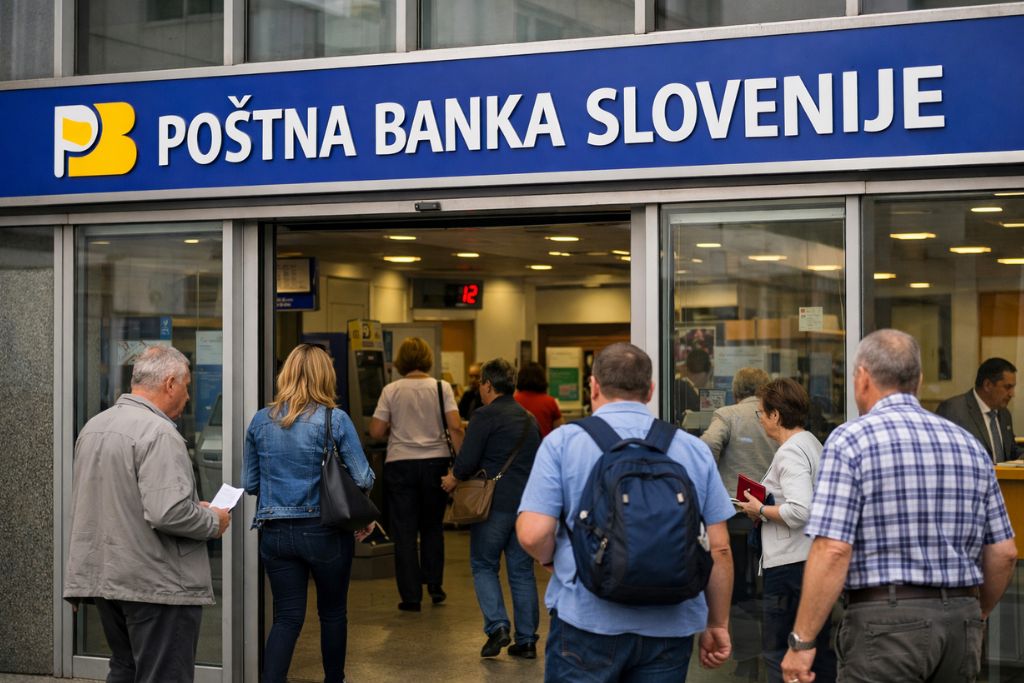
Inception, innovation, and impact—few banking stories in Slovenia are as compelling as that of Poštna banka Slovenije. Emerging during a time of economic transition in the early 1990s, this unique bank not only brought modern banking to the Slovenian public but also transformed how citizens across urban and rural areas accessed financial services. Through its pioneering postal banking model, Poštna banka Slovenije has left an indelible mark on the financial landscape of Slovenia.
The Dawn of Postal Banking in Slovenia
Following Slovenia’s independence in 1991, the country faced a challenge: modern banking infrastructure was limited, especially outside major cities. Traditional banks primarily served urban populations, leaving rural communities, pensioners, and small business owners underserved. Recognizing this gap, Slovenian authorities and financial visionaries collaborated to establish a bank that could reach citizens in every corner of the country.
Poštna banka Slovenije was born in July 1992, designed with a simple yet transformative vision: leverage the existing postal network of Pošta Slovenije to deliver accessible, reliable banking services. This model allowed the bank to operate without the extensive overhead of traditional branch networks while maintaining a physical presence nationwide. By integrating banking with postal services, Poštna banka Slovenije became a bridge between financial accessibility and community trust.
The Unique Operational Model
What set Poštna banka Slovenije apart was its ingenious operational model. Unlike conventional banks that rely on standalone branches, this bank partnered with Pošta Slovenije, allowing banking services to be delivered at post office counters. With over 550 postal locations nationwide, this approach ensured that nearly every Slovenian citizen could access banking services close to home.
This integration of postal and banking services had multiple advantages:
- Accessibility: Rural populations could now perform banking transactions without traveling long distances.
- Extended Hours: Post offices often had longer opening hours than traditional bank branches, allowing for greater flexibility.
- Trust and Familiarity: Citizens were already comfortable visiting post offices, reducing the hesitation that often accompanies new financial institutions.
- Cost Efficiency: Operating through postal locations reduced infrastructure costs and allowed the bank to offer competitive services.
By effectively combining the reach of postal networks with modern banking, Poštna banka Slovenije set a precedent in financial inclusion that few banks in Slovenia had achieved before.
Ownership and Strategic Partnerships
Initially, Poštna banka Slovenije was jointly owned by Nova Kreditna banka Maribor (Nova KBM) and Pošta Slovenije, reflecting a hybrid public-private structure. Nova KBM held a majority stake of around 55%, while Pošta Slovenije retained approximately 45%. This partnership was strategic: Nova KBM brought traditional banking expertise, while Pošta Slovenije provided access to its extensive network.
This joint ownership allowed Poštna banka Slovenije to maintain a balance between operational efficiency and public service, serving citizens’ financial needs while ensuring sustainable business practices. Over the years, this structure proved to be both innovative and resilient, enabling the bank to thrive even during periods of economic uncertainty.
Comprehensive Banking Services
Poštna banka Slovenije was designed to meet the needs of everyday customers and small businesses. Its service portfolio was broad yet focused, covering essential financial functions:
Retail Banking Services
- Current and Savings Accounts: Accessible at any postal location, with simple account opening procedures.
- Domestic and International Payments: Facilitating remittances, bills, and cross-border transactions.
- Debit Cards and E-Banking: Modern solutions for convenient financial management.
- Consumer Loans and Housing Loans: Helping individuals finance personal needs and home ownership.
- Foreign Exchange Services: Providing basic currency exchange services to travelers and businesses.
Business Banking Services
- SME Accounts: Tailored for small and medium enterprises, ensuring seamless operations.
- Business Loans: Supporting local businesses in expansion and cash flow management.
- Payment Processing and Trade Finance: Offering solutions for daily financial operations and commercial activities.
The bank’s simplicity and transparency were key features. Poštna banka Slovenije prioritized services that were easy to understand and use, making banking accessible to those previously excluded from traditional financial systems.
Driving Financial Inclusion
One of the most remarkable aspects of Poštna banka Slovenije was its contribution to financial inclusion. By using post offices as banking points, it reached populations that traditional banks often overlooked.
- Rural Communities: Farmers and remote residents could manage accounts and access loans without traveling to distant cities.
- Elderly Citizens: Older adults found the familiar post office environment less intimidating than typical bank branches.
- Small Businesses: SMEs gained local access to essential banking services, supporting local economic growth.
This approach not only democratized banking but also fostered trust and loyalty among the Slovenian population. Citizens came to view Poštna banka Slovenije as a reliable, approachable institution deeply embedded in their daily lives.
Technological Integration and Modernization
Although the bank’s core model relied on postal counters, Poštna banka Slovenije also embraced technological solutions. Early adoption of e-banking platforms allowed customers to manage accounts digitally while retaining the physical support of post office locations.
Over time, services expanded to include:
- Online account management
- Digital payment options
- Integration with Nova KBM systems
This hybrid approach of physical presence and digital convenience helped Poštna banka Slovenije stay competitive in an evolving banking landscape.
Merger with Nova KBM
In 2016, Poštna banka Slovenije underwent a significant transformation. Nova KBM acquired all shares and fully merged the bank into its operations, ending Poštna banka Slovenije’s existence as an independent entity.
Despite the merger, the legacy of accessibility and community-focused service continued. Nova KBM retained postal-based services, ensuring that citizens still benefited from convenient local access. Accounts and banking operations were integrated seamlessly, demonstrating the effectiveness of the original postal banking model.
This merger also allowed Nova KBM to consolidate operations, modernize services, and expand digital banking capabilities, blending the strengths of both institutions.
Legacy and Enduring Impact
Even after the merger, Poštna banka Slovenije’s influence persists in Slovenia:
- The postal banking model remains a benchmark for accessible financial services.
- Communities that once relied solely on postal counters now enjoy both local presence and digital solutions.
- Financial inclusion, transparency, and trust continue to shape the way banking services are delivered across Slovenia.
The story of Poštna banka Slovenije is more than a corporate history—it’s a testament to innovation, community service, and the power of accessible banking. Its legacy is visible in the lives of citizens, the success of small businesses, and the continued commitment of Nova KBM to inclusive financial solutions.
Conclusion
From its inception in 1992 to its merger with Nova KBM in 2016, Poštna banka Slovenije transformed the Slovenian banking landscape. By leveraging the postal network, it brought banking services closer to the people, fostered financial inclusion, and demonstrated the value of innovation in public-private partnerships. Even today, its principles continue to influence how banking services are designed, delivered, and experienced in Slovenia.
The story of Poštna banka Slovenije is a powerful reminder that banking is not just about transactions—it’s about access, trust, and community impact.
For readers interested in exploring more about innovative banking models and their impact on society, you can find this and other in-depth articles on Buz Vista.
Read More : Boston Brahmin Types: The Secret Elite That Still Shapes
Read More : Rahleek Malphurs: Life, Tragic Death & His Bond with Waka Flocka Flame