

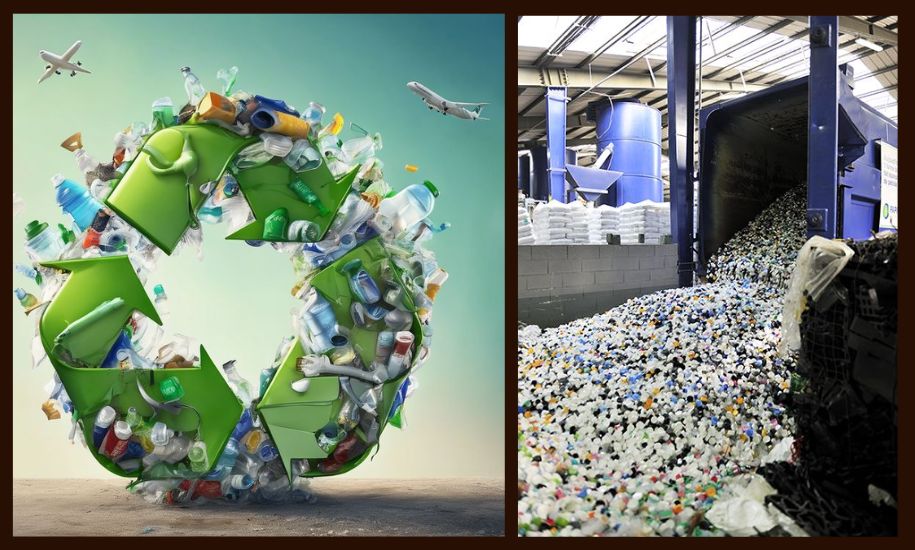
Understanding how our societies use and re‑use materials is central to addressing environmental sustainability and resource scarcity. Within this context, “Recyclatanteil” has emerged as a key concept that reflects how much recycled material is incorporated into production processes and material flows, influencing not only environmental outcomes but also broader economic and policy decisions. Unlike traditional recycling rates that measure how much waste is collected and processed, Recyclatanteil focuses on the input side of the material lifecycle: the share of secondary, recycled materials used in new products and overall material consumption. By examining both global trends and specific regional statistics, the concept of Recyclatanteil reveals how deeply (or superficially) circular modern economies truly are. In this article, we explore this notion comprehensively, providing data, context, and analysis to support a nuanced understanding.
Defining Recyclatanteil in a Modern Resource Economy
At its core, Recyclatanteil refers to the proportion of recycled content in materials used by an economy or in specific products. This definition is distinct from common recycling rate metrics such as the share of waste recycled at end‑of‑life; instead, Recyclatanteil tracks how much recycled material is fed back into the production chain. In environmental economics, this is often tied to the circular material use rate—an indicator used by statistical bodies like Eurostat to measure the share of materials consumed that originate from recycled sources rather than virgin extraction. This indicator provides insight into the degree of material circularity within an economy. For example, recent Eurostat data shows that in 2024, approximately 12.2 % of the materials used across the European Union came from recycled sources, marking the highest level of circular material use recorded and illustrating the incremental progress toward circular economic goals. This measure demonstrates not just how much waste is recycled, but how effectively that recycled stream is re‑introduced as usable material in economic processes. In this sense, Recyclatanteil captures both the success of recycling systems and the efficiency of material markets in absorbing secondary inputs.
Why Recyclatanteil Matters for Sustainability
Recyclatanteil lies at the intersection of sustainability, resource security, and economic policy. High levels of recycled content indicate that economies are reducing reliance on the extraction of virgin raw materials, which in turn can lower energy consumption, decrease greenhouse gas emissions, and diminish environmental degradation associated with mining, logging, and petrochemical production. By promoting increased use of recycled materials, governments and industries aim to reduce material footprints, which is crucial in a world where global material consumption is accelerating amid finite natural resource stocks. Furthermore, from a policy perspective, tracking recyclate content helps evaluate the effectiveness of regulations designed to stimulate recycling markets and circular supply chains. For example, the European Union’s Circular Economy Action Plan has set ambitious targets to increase the circular material use rate, aiming at doubling the share of recycled materials used by 2030. The increasing Recyclatanteil therefore serves as a benchmark for progress toward such targets, and highlights where additional policy intervention—such as recycled content mandates or producer responsibility schemes—might be necessary. Ultimately, shifting the focus from waste collection to recycled material usage can drive innovation in product design, recycling technologies, and supply chain integration.
European Union: Current Statistics and Trends
Within the European Union, the concept of Recyclatanteil is operationalised through the circular material use rate, which captures the share of material input that comes from recycled sources. According to recent data from Eurostat, in 2024, 12.2 % of the materials used in the EU originated from recycled materials, a slight increase compared with 2023 and the highest share recorded to date. This demonstrates incremental progress in feeding secondary inputs back into consumption rather than relying exclusively on virgin extraction. The EU’s circular material use indicator also shows notable variation among member states: the Netherlands leads with a rate above 32 %, followed by Belgium and Italy at over 20 %, while countries such as Romania, Finland, and Ireland still register very low shares of recycled material use. Such disparities reflect structural differences in recycling systems, industrial bases, and policy frameworks across Europe. Beyond the headline rate, material‑specific analysis reveals differing levels of circularity across sectors: metals, for example, typically achieve higher recycled content due to well‑established scrap markets and remelting technologies, while plastics and other complex materials lag behind due to technical and economic challenges in recycling. Despite measured progress, the EU’s 2030 circular economy targets—which aim to roughly double the circular material use rate—remain a significant policy driver, underscoring both ambition and the challenges ahead.
Material‑Specific Recyclatanteil: Plastics, Metals, and Beyond
When examining Recyclatanteil across material categories, stark contrasts emerge. Metals—such as iron, steel, and aluminium—are among the most successfully recycled materials globally, because metal scrap retains intrinsic value and recyclability with minimal loss of quality through multiple recycling cycles. This makes metals a cornerstone of circular material strategies, with high recycled content often exceeding 50 % or more in certain products and regions. In contrast, plastics present more formidable challenges. Although plastic recycling rates have risen over the past decade, the actual share of plastic material used from recycled sources remains limited compared to its consumption. For example, recycling rates for plastic packaging waste in the EU reached around 41 % in 2022, yet this figure reflects waste collected and processed rather than the recycled input into new products. The share of recycled plastic used—especially in high‑quality applications—remains constrained by technological limitations, contamination issues, and supply shortages of high‑grade recyclate. These supply‑demand mismatches make measurable increases in plastic Recyclatanteil an ongoing policy and industrial priority, prompting initiatives such as mandatory minimum recycled content quotas in packaging and other sectors. Meanwhile, organic and composite materials bring further complexity, as current recycling infrastructure is often less effective at recovering usable secondary resources from these streams. Material‑specific Recyclatanteil therefore not only highlights successes but also points to areas needing technological innovation and investment.
Regulatory Frameworks Driving Recyclatanteil Upward
Boosting Recyclatanteil is not a spontaneous market outcome; it is directly influenced by regulations, targets, and economic instruments designed to shift industry behavior. In the European Union, for instance, evolving legislative frameworks such as the Packaging and Packaging Waste Regulation (PPWR) propose mandatory recycled content requirements for various packaging categories by 2030, encompassing paper, glass, metal, and plastics. Under such frameworks, minimum recycled content thresholds are being introduced to compel producers to integrate more secondary material into their products, thereby catalysing demand for recyclates and stimulating recycling markets. Additionally, Extended Producer Responsibility (EPR) schemes and eco‑design requirements further incentivise businesses to rethink product lifecycles, improve design for recyclability, and account for recycled content in supply chains. These policies aim to address both supply (by strengthening recycling infrastructure) and demand (by setting recycled content obligations), thereby facilitating higher Recyclatanteil. Beyond Europe, similar regulatory approaches are gaining traction globally, with countries around the world experimenting with recycled content standards, tax incentives for recycled material use, and procurement policies that favour products with high recyclate shares. Such regulatory momentum reflects a broader recognition that recycling alone is insufficient unless recycled materials are actually reintegrated into production at scale.
Challenges in Measuring and Increasing Recyclatanteil
Despite its importance, measuring and expanding Recyclatanteil presents a host of challenges. First, data limitations and definitional differences complicate consistent measurement across regions and material streams. While statistical frameworks like the EU’s circular material use rate provide valuable benchmarks, they often aggregate diverse materials into broad categories that mask nuances in specific supply chains. Second, quality constraints on recyclates—particularly in plastics—mean that not all recycled materials are suitable for high‑value applications, limiting their adoption in certain manufacturing processes. The mismatch between quantity of recyclate available and quality of recyclate needed remains a persistent barrier. Third, economic factors such as the relative cost of recycled versus virgin materials influence producer decisions, as fluctuating commodity prices can make recycled content less financially attractive without policy support or market incentives. Finally, infrastructure gaps in collection, sorting, and processing continue to hinder effective recycling loops, particularly in regions lacking robust waste management systems. Addressing these challenges requires coordinated effort among governments, industry stakeholders, and research institutions to enhance recycling technologies, standardise recycled content metrics, and develop market mechanisms that reward higher Recyclatanteil.
Global Perspectives and Future Outlook
Globally, the pursuit of increased recycled content is gaining prominence as part of broader sustainability agendas. While developed economies—especially within the EU—have established measurement frameworks and policy targets, many regions are still in the early stages of developing comprehensive circular economy strategies. Global estimates suggest that a relatively small proportion of materials overall currently come from recycled sources, highlighting the immense potential for growth. As nations grapple with resource scarcity, climate change, and waste management pressures, increasing Recyclatanteil is likely to remain a strategic priority that aligns environmental goals with economic resilience. Advances in material science, digital tracking technologies, and recycling technologies could further unlock opportunities to elevate recycled content across industries, whether through improved sorting systems, chemical recycling processes, or design innovations that prioritise circularity. In this evolving landscape, definitions, metrics, and regulatory frameworks will continue to be refined, but the underlying imperative is clear: transitioning toward material systems with higher recycled content is essential for sustainable development.
Conclusion: The Rising Importance of Recyclatanteil
In an era defined by environmental concerns and resource constraints, Recyclatanteil serves as a critical indicator of how effectively societies are closing material loops and shifting toward circular economic models. By focusing on the use of recycled content, policymakers, businesses, and researchers can more accurately assess progress beyond traditional recycling rates and drive strategies that yield tangible environmental benefits. Recent trends in Europe show modest yet measurable increases in circular material use rates, reflecting the influence of regulatory frameworks and growing recycling capacity. However, achieving the high levels of recycled content necessary for true circularity will require sustained effort, innovation, and collaboration across sectors. As the world strives to balance economic growth with ecological stewardship, Recyclatanteil will remain a powerful lens through which to evaluate and accelerate progress toward sustainable material use and production systems. For readers eager to delve deeper into the evolving discourse on circular economy metrics and sustainable material strategies, this article serves as a foundation for understanding the role and implications of Recyclatanteil in contemporary resource governance. At Buz Vista we are committed to bringing clarity and insight into such pivotal environmental concepts for informed engagement and actionable knowledge