

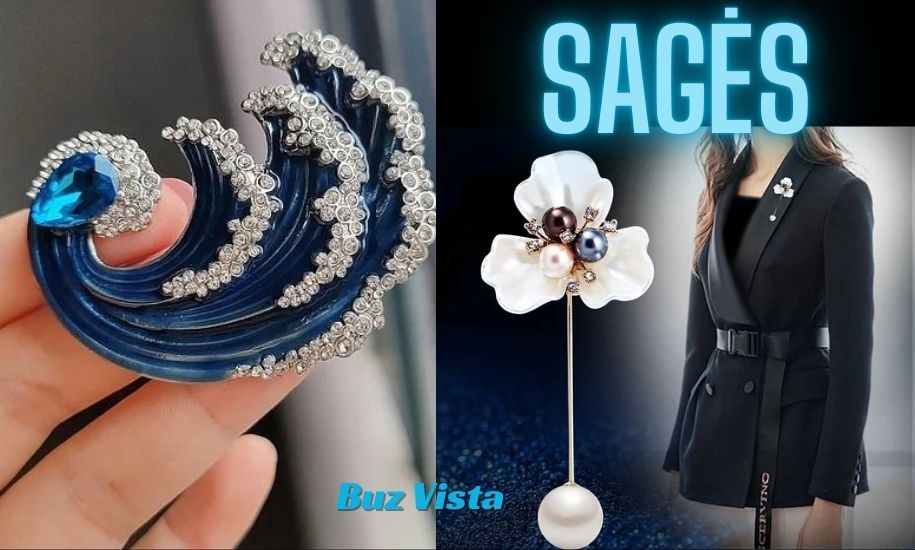
Sagės, elegant decorative brooches, are making a fashionable return, adding a unique flair to any outfit. From symbols of aristocratic prestige in the past to modern fashion statements, sagės are now accessible to everyone. In this article, we’ll explore the different types of sagės, how to choose them, and tips for wearing them to elevate your style.
Have Sagės Always Been Fashionable?
Historically, sagės were luxury items. Crafted from gold or silver and adorned with precious stones, they were worn primarily by the elite. Today, sagės are widely available in both costume and fine jewelry varieties. Costume sagės provide affordable options that look luxurious, while gold or silver sagės offer durability and timeless elegance.
Even the simplest outfits can be transformed with the right sagė. Whether you’re starting a collection or adding to an existing one, it’s never too late to embrace this stylish accessory.
Sagės vs. Pins: Key Differences
While sagės and pins may seem similar, they differ in design and purpose:
- Sagės – Usually larger, with a rotating clasp, designed to decorate clothing.
- Pins – Smaller, often collectible, secured with a push clasp.
The rise of collectible pins in pop culture has revived interest in sagės, inspiring new styles and trends.
Most Popular Types of Sagės
Sagės come in diverse styles. Here are the most popular:
- Cameo – Classic sagės carved with portraits, animals, or floral designs, often made from stone or shell.
- En Tremblant – Floral or decorative designs with moving elements, sparkling beautifully in candlelight.
- Aigrette – Plume-shaped sagės often worn in hairstyles, adorned with gemstones for extra sparkle.
- Animal & Plant Motifs – From realistic to playful designs, these sagės can be elegant or whimsically creative.
- Statement Sagės – Express your hobbies, causes, or opinions, such as animal welfare or political views.
How to Choose the Perfect Sagė
When selecting a sagė, consider:
- Color – Complement your clothing and accessories.
- Size – It should enhance your outfit without overwhelming it.
- Style – Match the occasion and overall look.
10 Essential Tips:
- Pick a sagė that reflects your personal style.
- Avoid blindly following trends; timeless pieces last longer.
- Experiment with different placements.
- Coordinate with other jewelry.
- Build a versatile sagės collection.
- Try various designs to diversify your look.
- Take extra care for special occasions.
- Visualize with multiple outfits for versatility.
- Use contrasting colors for standout pieces.
- Ensure your clothing can support the sagė without damage.
Occasions to Wear Sagės
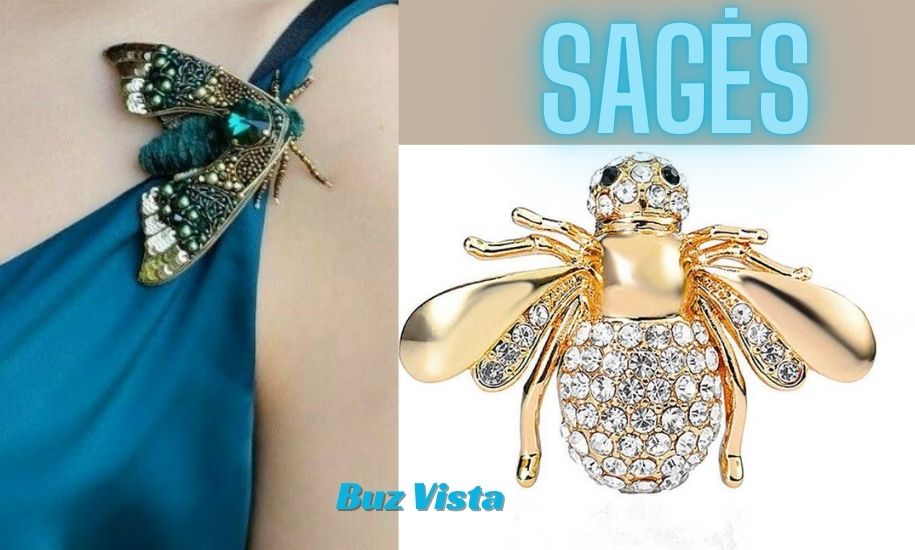
Sagės can enhance almost any outfit or event:
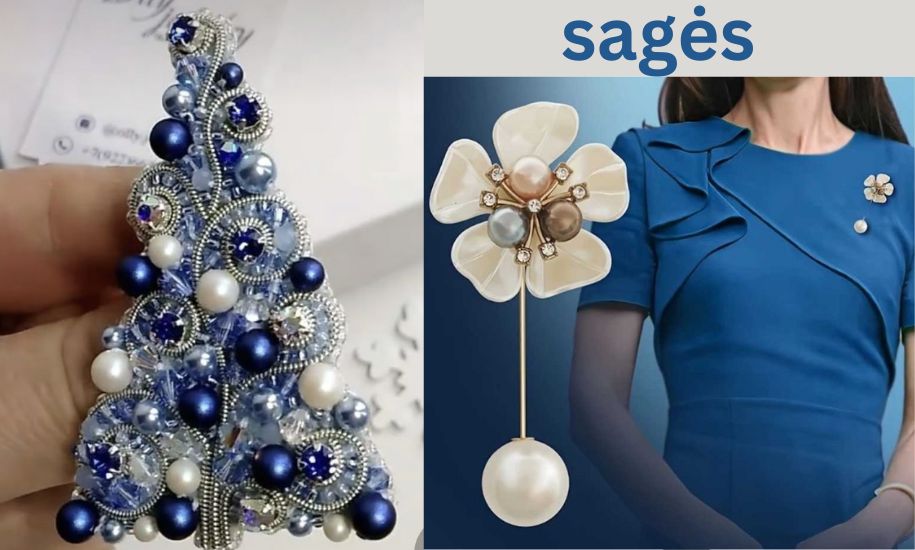
- Christmas – Sparkling seasonal sagės add holiday charm.
- Weddings – Floral or elegant designs enhance bridal or guest attire.
- Office – Subtle or thematic sagės show personality professionally.
- First Dates – Stylish sagės make a lasting impression.
- Night Out – Bold pieces draw attention and boost confidence.
- Formal Dinners – Intricate floral or wildlife motifs suit special occasions.
Tips for Styling Sagės
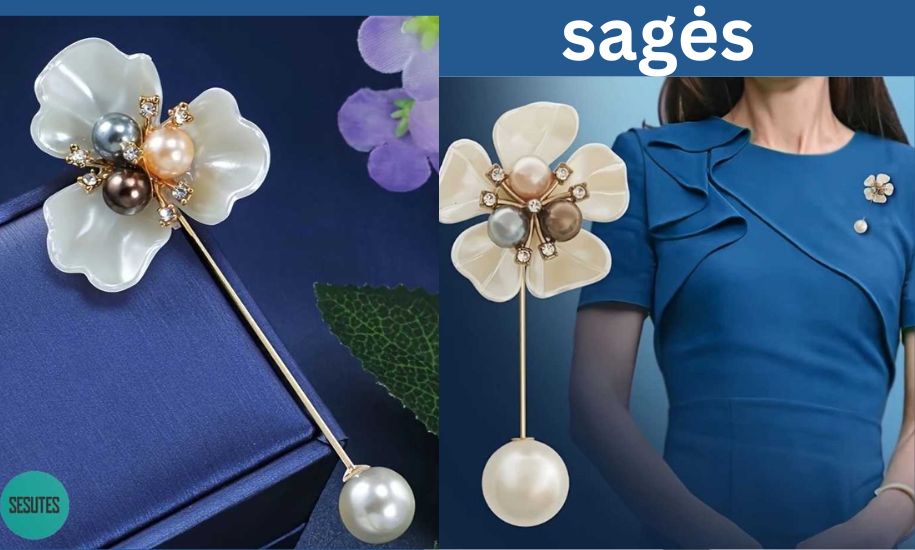
Sagės are versatile accessories that can be worn in many ways:
- With Dresses – Pin to the chest, waist, or V-neckline.
- With Blouses – Near the collar or chest area.
- With Blazers – Classic on the lapel or layered for a unique look.
- With Jeans – Attach to pockets or waistband carefully.
- With Skirts – Use as a belt accent for drama.
- With Accessories – Decorate scarves, hats, or gloves.
- In Hair – Add to clips or ponytails.
- With Bags – Small sagės on compact bags, multiple on large handbags.
- With Shoes – Attach to tongues or sides for a creative pop.
Sagės are more than jewelry—they’re a statement of style. Choose pieces that reflect your personality and coordinate with your outfits to instantly elevate your look.
FAQs about Sagės
Q1: What are sagės?
A: Sagės are decorative brooches or pins worn on clothing or accessories.
Q2: How do I wear a sagė?
A: Pin it to blouses, dresses, blazers, scarves, bags, shoes, or even hair for style.
Q3: What types of sagės are popular?
A: Cameo, En Tremblant, Aigrette, animal & plant motifs, and statement sagės.
Q4: Can sagės be casual or formal?
A: Yes, they complement both everyday outfits and special occasions.
Q5: Should sagės match my outfit?
A: Choose colors and styles that enhance your clothing and other accessories.