

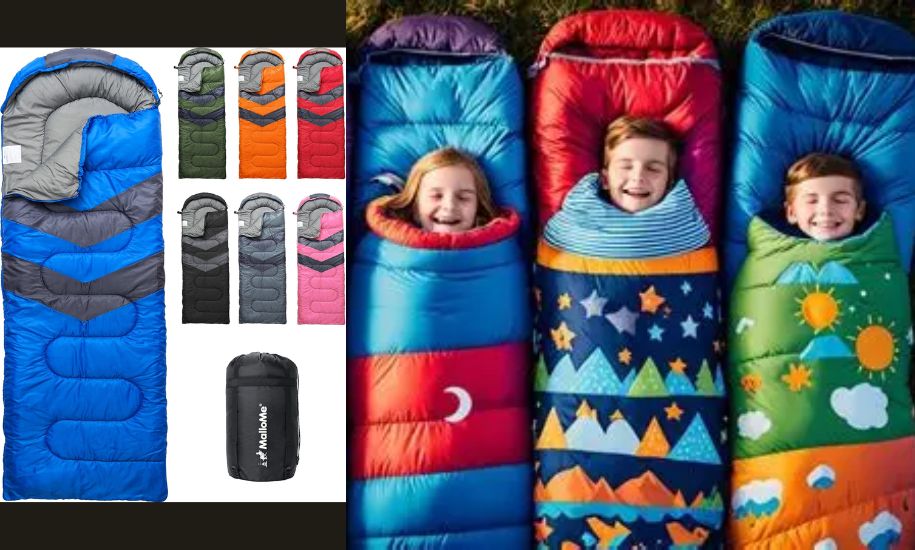
Ensuring that children sleep comfortably and safely is a priority for every parent, whether it’s at home, on a family trip, or during a fun sleepover. One of the most practical and versatile sleep accessories that support this goal is the sleeping bag for kids. Once considered mainly a camping essential, sleeping bags have evolved into everyday sleep tools that enhance comfort, maintain warmth, and encourage better sleep habits for children of all ages.
From toddlers transitioning out of their cribs to school-aged kids preparing for their first overnight adventure, sleeping bags serve multiple purposes and come in a wide range of designs. This comprehensive guide explores the benefits, safety considerations, types, and features to look for when choosing the perfect sleeping bag for your child.
Why Sleeping Bags for Kids Have Become Essential
Parents today look for products that offer both convenience and peace of mind. Sleeping bags for kids do exactly that by acting as a portable, secure, and warm sleep environment.
1. Consistent Warmth All Night
Unlike blankets that can shift, fall off, or get kicked away during sleep, sleeping bags stay securely wrapped around the child. Kids tend to move a lot during their sleep, which can leave them uncovered and cold. A sleeping bag prevents unnecessary midnight chills and helps maintain a consistent body temperature throughout the night.
2. Enhanced Safety
Loose blankets can be a risk for younger children, especially infants and toddlers. Sleeping bags minimize these risks by replacing loose bedding with a snug, breathable sleep setup. They reduce the chances of fabric covering the face or twisting around the body, contributing to safer sleep conditions.
3. Encourages Healthy Sleep Patterns
Children thrive on routine. A sleeping bag becomes a part of their sleep ritual—something familiar, warm, and comfortable. Whether the child sleeps at home, in a hotel, or at a relative’s house, their sleeping bag acts as a personal “comfort zone,” helping them settle more easily and drift into restful sleep.
4. Portable and Convenient
Sleeping bags are extremely travel-friendly. They roll up compactly, making them easy to carry for vacations, daycare, camping trips, or sleepovers. Many parents find that having a dedicated sleeping bag encourages children to feel more independent and excited about new adventures.
The Different Types of Sleeping Bags for Kids
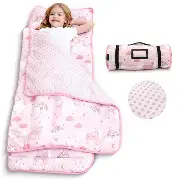
Kids’ sleeping bags are not one-size-fits-all. They come in a variety of styles designed for different ages, environments, and purposes. Understanding the types helps parents choose the right one.
**1. Wearable Sleeping Bags (Baby/Toddler Sleep Sacks)
These sleeping bags resemble clothing more than traditional camping bags. They are designed like wearable blankets or sack-style pajamas with armholes and a zip-up front.
Best for: infants and toddlers
Benefits:
- Prevents blanket-related hazards
- Maintains temperature safely
- Ideal for everyday sleep
- Promotes transition from crib to toddler bed
2. Standard Indoor Sleeping Bags
These are the kid-sized versions of traditional sleeping bags but lighter and fluffier, intended for indoor use. They often come with soft inner linings and fun character designs.
Best for: sleepovers, naps, daycare, lounging
Benefits:
- Soft and cozy
- Easily washable
- Lightweight
- Fun designs that encourage use
3. Outdoor/Camping Sleeping Bags for Kids
Designed for temperature regulation and durability, these bags are ideal for outdoor environments. They commonly feature insulated filling, weather-resistant materials, and temperature ratings.
Best for: family camping trips, backyard camping, scouts
Benefits:
- Retains heat efficiently
- Designed to withstand colder conditions
- Often mummy-shaped for warmth retention
4. All-Season Convertible Sleeping Bags
These versatile models can be used year-round. Some have detachable layers or adjustable features that make them suitable for both warm and cool weather.
Best for: multi-purpose use
Benefits:
- Adjustable insulation
- Cost-effective
- Works indoors and outdoors
Key Features to Consider When Choosing Sleeping Bags for Kids
Selecting the right sleeping bag involves more than just picking a cute design. Parents should understand important safety, comfort, and performance factors.
1. Size and Fit
A sleeping bag should fit the child comfortably without being overly large. Too much empty space leads to heat loss, and in some cases, it can pose safety concerns for younger children. Measure your child and compare it with the manufacturer’s size guide.
2. Temperature Rating / TOG Level
Sleeping bags are often rated for temperature suitability. Indoor bags usually come with TOG ratings, while outdoor bags may list minimum comfort temperatures.
- 0.5–1.0 TOG: warm climates, summer
- 2.0–2.5 TOG: moderate climates, spring/fall
- 3.5+ TOG: colder weather or outdoor use
Choosing the right insulation level ensures comfort without overheating.
3. Material and Breathability
A good sleeping bag must be breathable while offering warmth. Popular materials include:
- Cotton – soft and breathable
- Fleece – warm and cozy
- Synthetic polyester insulation – lightweight, warm, easy to wash
- Natural fibers (like bamboo) – hypoallergenic and temperature-regulating
Breathability prevents sweating and discomfort during the night.
4. Safety Features
Look for the following:
- Snug neck and arm openings (for wearables)
- High-quality zippers with protective fabric flaps
- Non-toxic materials
- Flame-resistant standards (for some outdoor bags)
Safety should always be the number one priority.
5. Ease of Cleaning
Kids make messes — it’s expected. Choose bags that are machine washable and quick-drying. Sleeping bags with removable liners also make cleaning easier.
6. Design and Comfort
Kids respond positively to colors and characters they love. A sleeping bag with a fun design may help reluctant sleepers feel excited about bedtime. Comfort-enhancing elements include:
- Soft lining
- Padded headrests
- Stretchy fabrics
- Built-in pillows
Sleeping Bags for Kids: Indoor vs. Outdoor
Understanding where and how the sleeping bag will be used helps narrow down the best options.
Indoor Sleeping Bags
- Usually lighter and fluffier
- Designed for comfort rather than extreme insulation
- Perfect for slumber parties, naps, and daily use
- Often come with playful patterns
Outdoor Sleeping Bags
- Designed to trap heat, especially in cold nights
- Features tighter openings, hooded tops, and thermal linings
- Durable and water-resistant
- Available in mummy shapes for better insulation
When camping, children lose heat faster than adults, making a proper insulated bag essential.
How Sleeping Bags Help Toddlers Transition Into Big Beds
For toddlers moving from a crib to a bed, the transition can be uncertain, and sleeping habits can change. A sleeping bag creates a sense of continuity because it feels familiar, secure, and warm. This reduces nighttime anxiety and helps toddlers stay settled.
Sleeping bags also minimize tossing and turning, preventing kids from frequently leaving the bedcovers or wandering around the room.
Parents often find that continuing to use a sleeping bag until age 3–5 provides stability and improves the child’s quality of sleep.
Sleeping Bags for Camping and Outdoor Adventures
When planning a family camping trip, choosing the right sleeping bag for your child is crucial. Kids are more sensitive to cold temperatures, and a poor-quality sleeping bag can negatively affect their experience.
Key Factors for Outdoor Use
- Choose a temperature rating lower than the expected nighttime temperature.
- Consider a mummy-shaped sleeping bag for maximum warmth.
- Pick bags with draft tubes, hoods, and zipper guards.
- Synthetic insulation performs better in damp environments.
A well-insulated sleeping bag allows kids to enjoy stargazing nights, morning hikes, and new outdoor experiences without discomfort.
Common Mistakes Parents Make (And How to Avoid Them)
1. Choosing a Sleeping Bag That’s Too Big
Oversized sleeping bags can cause heat loss and safety issues. A snug fit is essential, especially for younger children.
2. Ignoring Breathability
A warm sleeping bag without airflow can cause sweating, overheating, and sleep disruption.
3. Using Adult Sleeping Bags for Kids
Adult bags leave too much empty space, making them unsuitable and unsafe for children.
4. Selecting Based on Design Alone
Cute designs matter, but insulation, materials, and safety should always come first.
5. Not Considering the Climate
Always align insulation levels with your region’s temperatures or the environment where the bag will be used.
Tips for Maintaining and Caring for Kids’ Sleeping Bags
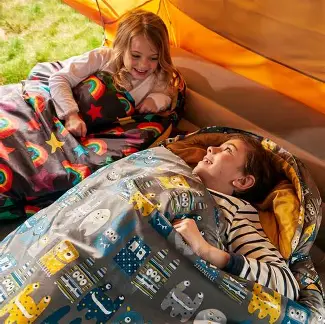
- Shake the sleeping bag after use to maintain loft and fluffiness.
- Air it out regularly to reduce odors.
- Wash according to care labels—most require gentle cycles.
- Store in a loose sack rather than compressed to extend its lifespan.
- Spot-clean stains promptly to avoid odors and fabric damage.
Proper maintenance ensures durability and keeps the sleeping bag hygienic.
Final Thoughts: Why Every Child Benefits from a Quality Sleeping Bag
Sleeping bags for kids are more than sleeping accessories—they are confidence builders, comfort enhancers, and sleep stabilizers. From infants learning to sleep safely to adventurous kids experiencing their first campout, sleeping bags support healthy sleep habits in every stage of childhood.
Choosing the right one involves understanding your child’s needs, the primary environment where the bag will be used, and the features that enhance safety and comfort. With the right sleeping bag, kids gain a sense of independence, security, and excitement around sleep.
For more helpful parenting insights and product-focused guides, visit Buz Vista, where we explore practical solutions inspired by real-life family experiences.
FAQs About Sleeping Bags for Kids
1. At what age can a child start using a sleeping bag?
Children can start using a wearable sleeping bag (sleep sack) from infancy. Traditional indoor sleeping bags are generally suitable for toddlers aged 2 and above, while outdoor sleeping bags are recommended for ages 3–4+, depending on the child’s size and comfort level.
2. Are sleeping bags safe for babies and toddlers?
Yes, sleeping bags designed specifically for babies and toddlers are considered safer than loose blankets because they reduce the risk of the child covering their face or getting tangled in bedding. Always choose the right size and TOG rating for safety.
3. What is the best TOG rating for kids’ sleeping bags?
The ideal TOG depends on room or outdoor temperature:
- 0.5–1.0 TOG: Hot weather or warm rooms
- 2.0–2.5 TOG: Standard sleeping conditions (18–22°C)
- 3.5+ TOG: Cold rooms or outdoor camping
4. Should I buy a bigger sleeping bag so my child can grow into it?
It’s not recommended. A bag that is too big can cause heat loss or become a safety risk for younger children. Always choose a size that fits your child’s current height and age.
5. What materials are best for sleeping bags for kids?
Breathable and soft materials like cotton, fleece, bamboo, or high-quality synthetic insulation are ideal. Choose natural fabrics for indoor sleep and synthetic insulation for outdoor use or camping.
6. Can my child use an adult sleeping bag?
Adult sleeping bags are not suitable for kids. They contain too much empty space, which causes heat loss and makes it harder for children to stay warm. A kid-sized sleeping bag ensures proper insulation and safety.
7. How do I wash and care for a kid’s sleeping bag?
Most kids’ sleeping bags are machine washable. Use a gentle cycle, mild detergent, and air-dry when possible. Avoid harsh heat settings to preserve insulation and fabric lifespan. Store the bag loosely instead of tightly rolled.
8. What type of sleeping bag is best for camping with kids?
Choose an outdoor sleeping bag with a proper temperature rating, durable outer shell, and synthetic insulation. Mummy-shaped bags are excellent for retaining heat and keeping young campers warm at night.
9. Are indoor sleeping bags suitable for sleepovers?
Yes, indoor sleeping bags are perfect for sleepovers, daycare naps, movie nights, and playdates. They are lighter, softer, and often feature fun designs that children enjoy.
10. How long can a child use a sleeping bag?
Depending on size and style, kids can use sleeping bags from infancy up to around 8–12 years old. Outdoor sleeping bag sizes vary and often last longer for school-age children and preteens.
11. Do sleeping bags help toddlers stay in their beds at night?
Yes. Sleeping bags provide a secure and familiar sleep environment that helps toddlers settle more easily and stay in place, reducing nighttime wandering and improving sleep habits.
12. Are convertible sleeping bags worth it?
If you want a single sleeping bag your child can use throughout different seasons, convertible or adjustable sleeping bags are a cost-effective option. They offer flexible insulation and work both indoors and outdoors.
13. Should I choose a sleeping bag with a hood for my child?
Hoods are great for outdoor/camping bags because they keep heat in. For indoor use, a hood is optional as room temperatures are usually stable. Always ensure that the hood fits properly and does not cover the face.
14. Why do kids need different sleeping bags than adults?
Kids lose heat faster than adults, so their sleeping bags are designed with better insulation, appropriate sizing, and safety features tailored to their needs. This ensures warmth, comfort, and secure sleep.
15. How do I know if my child is too hot or too cold in their sleeping bag?
Check their neck or back—these areas indicate body temperature better than hands or feet. If sweaty or flushed, they may be too warm; if cool or restless, they may need a thicker TOG or extra layering.