

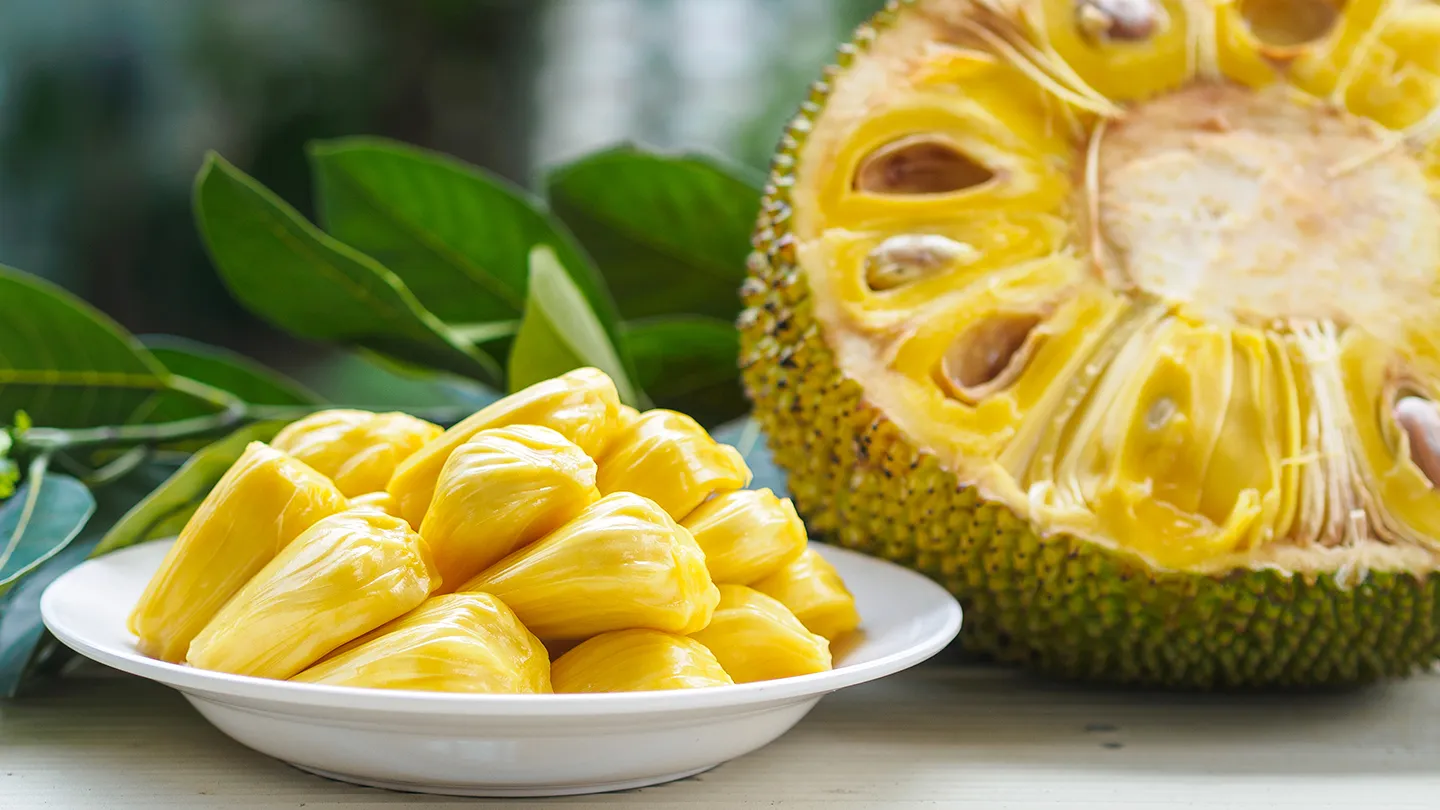
Jackfruit is a remarkable fruit that has gained popularity far beyond its tropical roots. Its unique combination of flavor, texture, and nutrition makes it a standout option for home cooks, vegetarians, and anyone seeking a wholesome addition to their daily meals. In this guide, we explore why jackfruit is nutritious and beneficial, and how you can incorporate it into a balanced diet.
Nutritional profile of jackfruit
Fresh jackfruit is low in fat and high in dietary fiber, which supports digestive health and helps maintain steady energy levels throughout the day. It provides a solid supply of vitamin C, potassium, and B vitamins, all of which contribute to immune function, heart health, and energy metabolism. The fruit also contains plant compounds and antioxidants that help combat oxidative stress. While ripe jackfruit offers natural sweetness from natural sugars, the fiber helps slow sugar absorption, making it a smarter choice than many processed snacks.
In addition, jackfruit contains tiny amounts of protein and minerals such as magnesium and iron. While the fruit itself isn’t a primary protein source, its seeds offer more substantial protein and healthy fats when prepared properly. This makes jackfruit a versatile ingredient for people pursuing plant-forward meals without sacrificing flavor or satisfaction.
Health benefits you can feel
Incorporating jackfruit into meals can support gut health due to its high fiber content, which promotes regularity and nourishes beneficial gut bacteria. The potassium present in jackfruit helps regulate blood pressure and supports heart function, while vitamin C enhances immune defenses and acts as an antioxidant for overall wellness.
Another notable benefit is culinary versatility. The unripe fruit has a meaty texture that works well as a meat substitute in savory dishes, such as curries and tacos. This can help reduce reliance on heavier animal-based proteins and contribute to a more sustainable, plant-forward diet. The ripe fruit, with its caramel-like sweetness, adds depth to desserts, smoothies, and breakfast bowls, making nutritious eating enjoyable for the whole family.
Culinary versatility and practical tips
Whether you’re cooking for vegans, vegetarians, or curious foodies, jackfruit adapts to countless recipes. Try shredding unripe jackfruit for pulled “pork” style fillings, simmering chunks in spicy tomato sauces, or adding ripe fruit to yogurt, oats, or fruit salads. To maximize flavor and texture, season generously with spices like cumin, coriander, garlic, and chili, or blend ripe jackfruit into a smoothie with banana and almond milk for a naturally sweet base.
For those mindful of sugar, balance is key. Pair jackfruit with protein and healthy fats—such as nuts, seeds, or yogurt—to create satisfying meals that stabilize appetite and energy. If you’re curious about more in-depth guidance on jackfruit’s nutrition and benefits, you can learn more at the linked resource by using the anchor for why-jackfruit-is-nutritious-and-beneficial.
Sourcing, sustainability, and mindful choices
Choosing ripe versus unripe fruit matters for flavor and texture. Unripe jackfruit is ideal for savory dishes, while ripe fruit shines in sweet preparations. When possible, select locally grown, seasonal jackfruit to support sustainable farming practices and to reduce the environmental footprint of your meals. As with any fruit, washing and proper storage help preserve freshness and nutrition.
Conclusion
why-jackfruit-is-nutritious-and-beneficial captures the essence of why so many people are turning to jackfruit as a nutritious, versatile ingredient. This fruit offers a balanced mix of fiber, vitamins, minerals, and antioxidants, paired with a texture that invites creativity in the kitchen. By incorporating jackfruit into savory meals and sweet treats, you can enjoy its benefits without sacrificing taste. For more nutrition guides and healthy living ideas, visit the ReadsBest homepage.